Morning of June 22
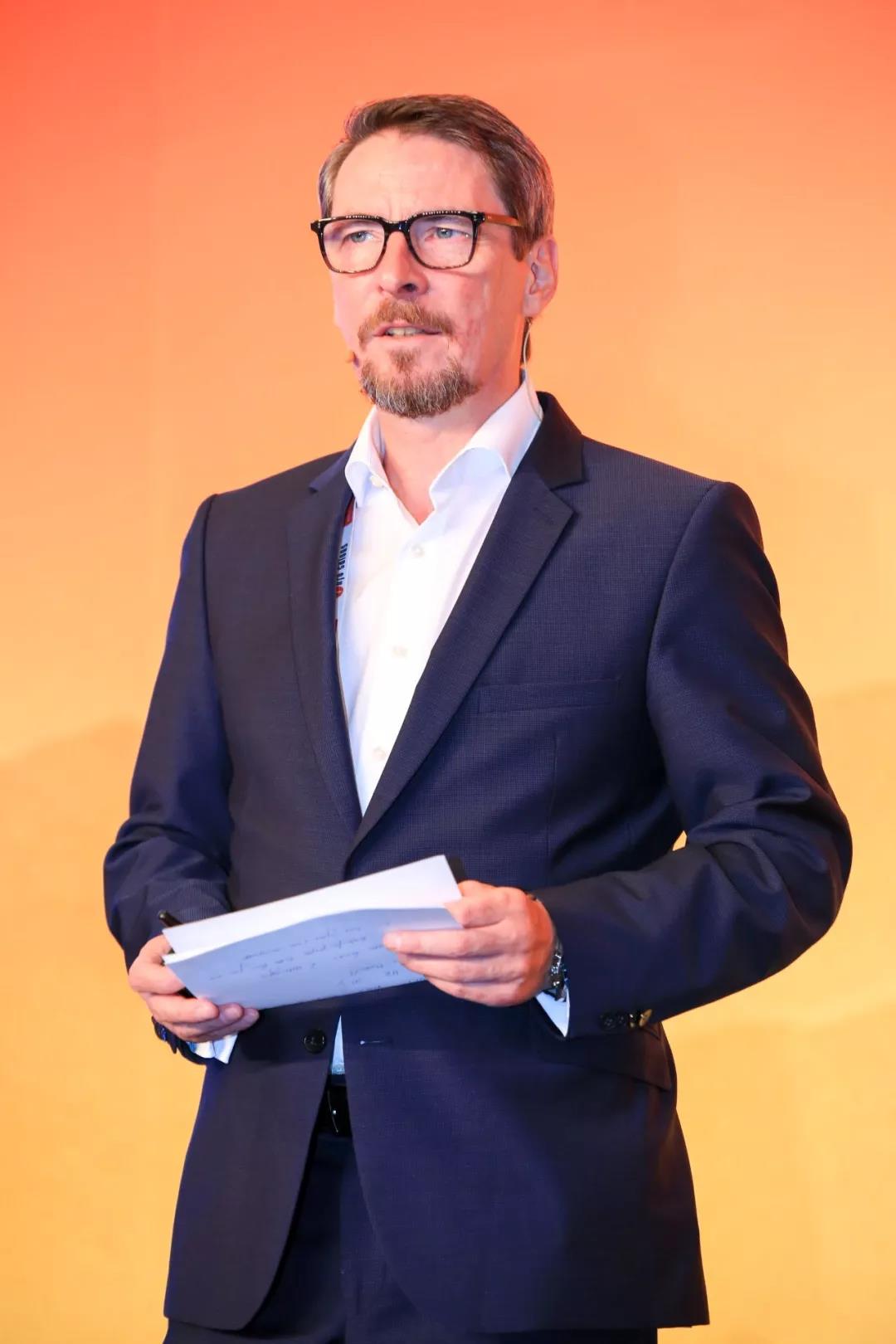
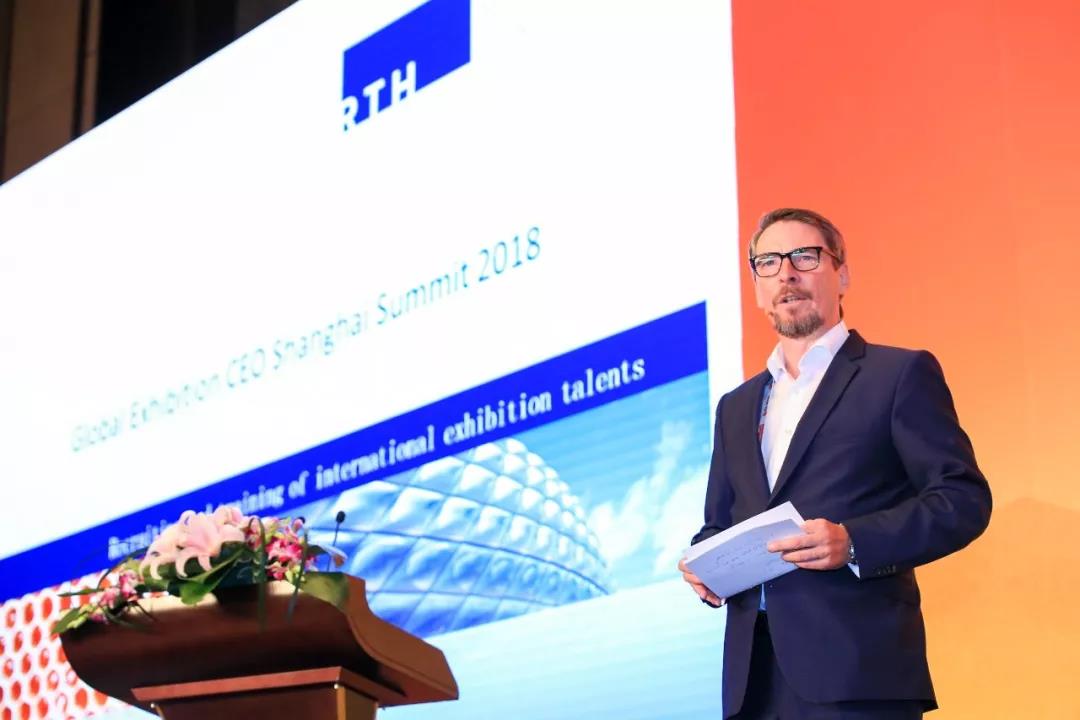
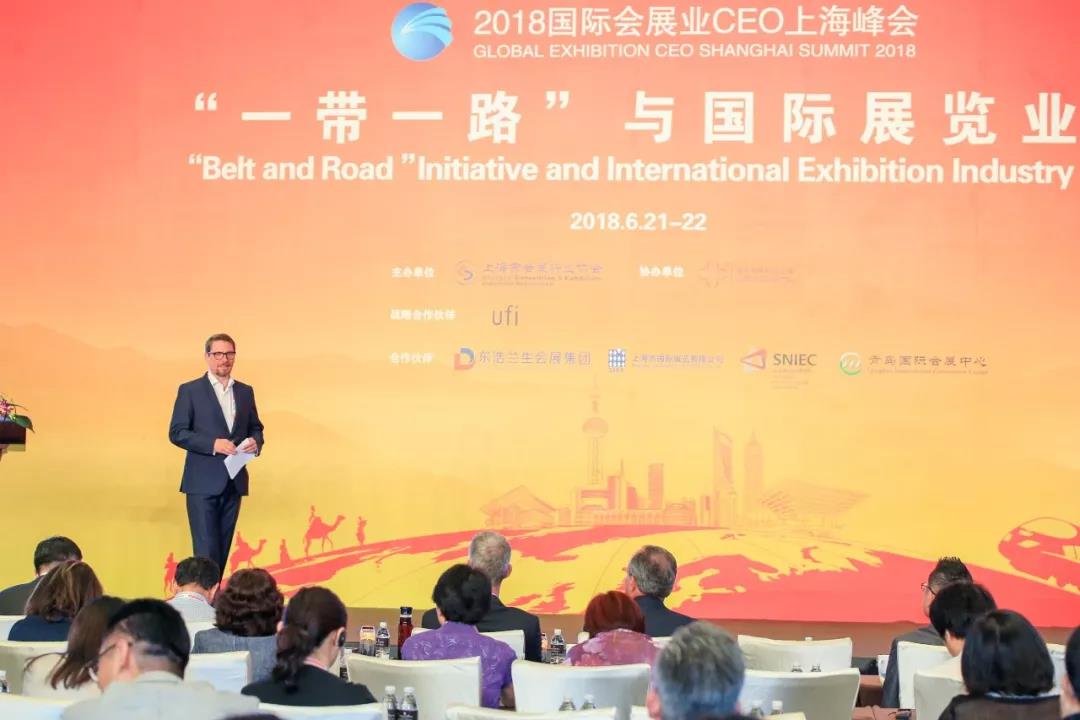
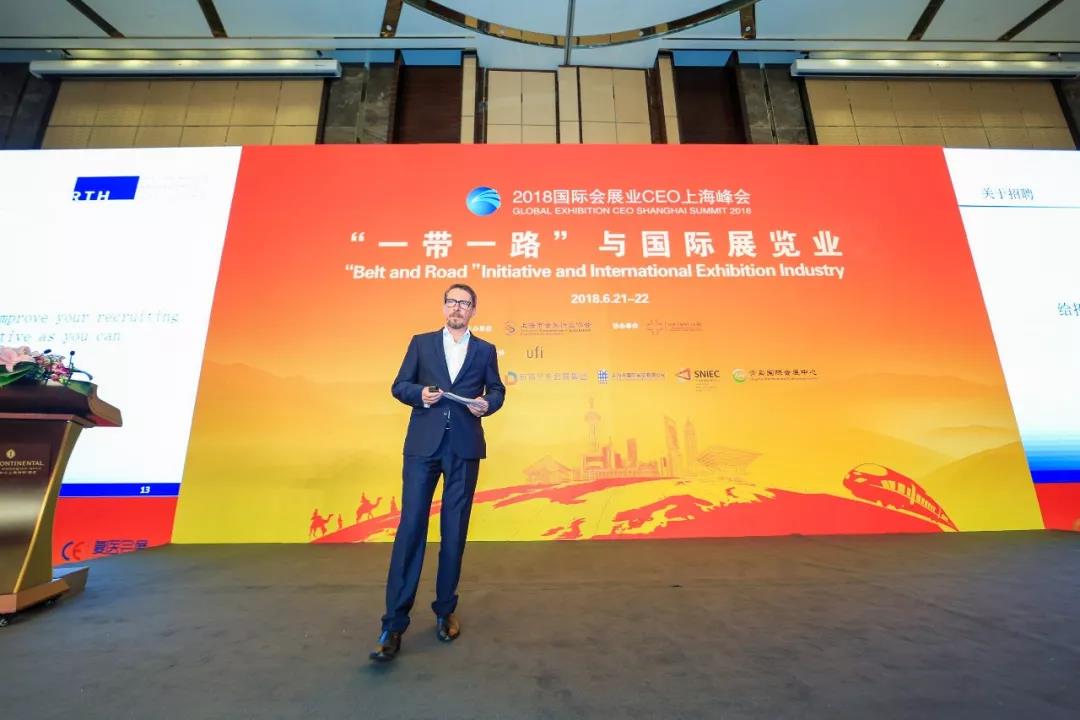
Topic: Recruitment and development of global talent
Speaker: Heinemann, president of Heinemann Management Consulting Co., Ltd.
Key points
Heinemann Management Consulting provides human resources consulting services. The speaker has more than 30 years of experience in human resources, and the topic was related to the exhibition industry.
Jack Ma once expressed two ideas in a speech: recruit people who are better than you, and make sure you have the right successor. This is easy to say but difficult to do. Most senior executives do not like the idea of a successor because they fear that the successor may threaten them and replace their position. Therefore, recruitment, training, leadership and talent retention are critical.
The industry faces challenges. Exhibition business worldwide has changed greatly, and these changes have affected exhibition organizers and venue owners. Digital technology is a major factor for future success. In particular, because times have changed, young people think very differently from previous generations. They focus more on their private lives and do not simply want a job that earns money. Therefore, the industry faces a shortage of skilled labor. Human resources managers must understand current topics and ensure that new employees receive good training and knowledge.
Is the exhibition industry ready for these challenges? The speaker's answer was no. Other industries respond to these challenges far better than the exhibition industry. Competition does not only mean competition between companies in the same industry; it also means competing with all other industries for talent. This is a major problem.
On recruitment, companies must clearly understand how they want to attract talent, establish suitable recruitment strategies and policies, empower recruiters and improve recruitment processes. They should provide applicants with clear company information, including what the company can offer beyond salary, so applicants understand why they should join. Recruitment processes should also innovate, for example by using virtual technology to create simulated exhibition-site experiences.
On employee retention, good recruitment, education and training are not enough if employees cannot be retained. Companies should reduce the number of employees who leave within two years, because retention is generally higher after employees have stayed for two years. They should provide clear written career path plans rather than verbal promises. For key positions and corresponding key talent, clear succession plans should be developed.
On training, companies should value investment in employee training and human resources development. Otherwise employees may leave not because of salary, but because they believe they cannot learn enough and can receive better training elsewhere. Companies should recognize that employees at different levels need different training and should ensure that training provided is what they need. For important talent in whom large investments have been made, contracts may be used to reduce the risk of departure after training; for example, if they leave after training or within two or three years, they should pay training costs.
On leadership, leaders need to understand and recognize their key role in employee retention. Leadership capability is directly related to retention. Surveys show that when leaders perform poorly, two thirds of employees become disengaged or even choose to leave.
On the future role of human resources, HR needs to break out of conventional thinking and act outside the box. Managers need to give HR departments corresponding rights and authority. HR should have a strategic role and prepare the company for the next two to three years.
Topic: Development strategy of international exhibition enterprises
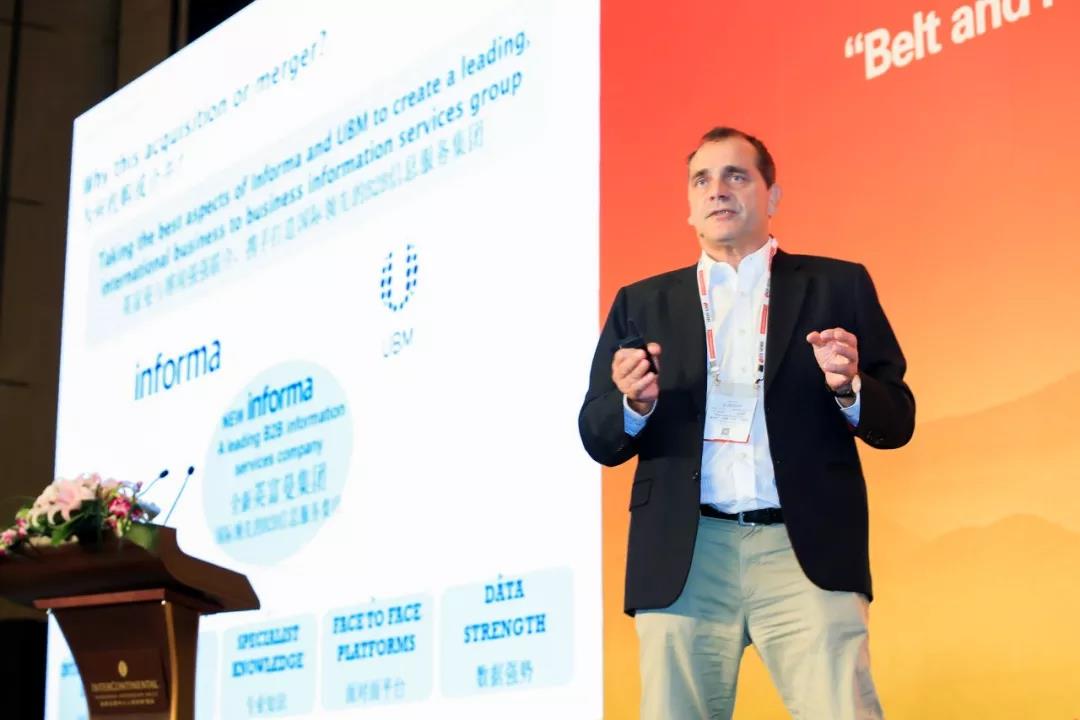
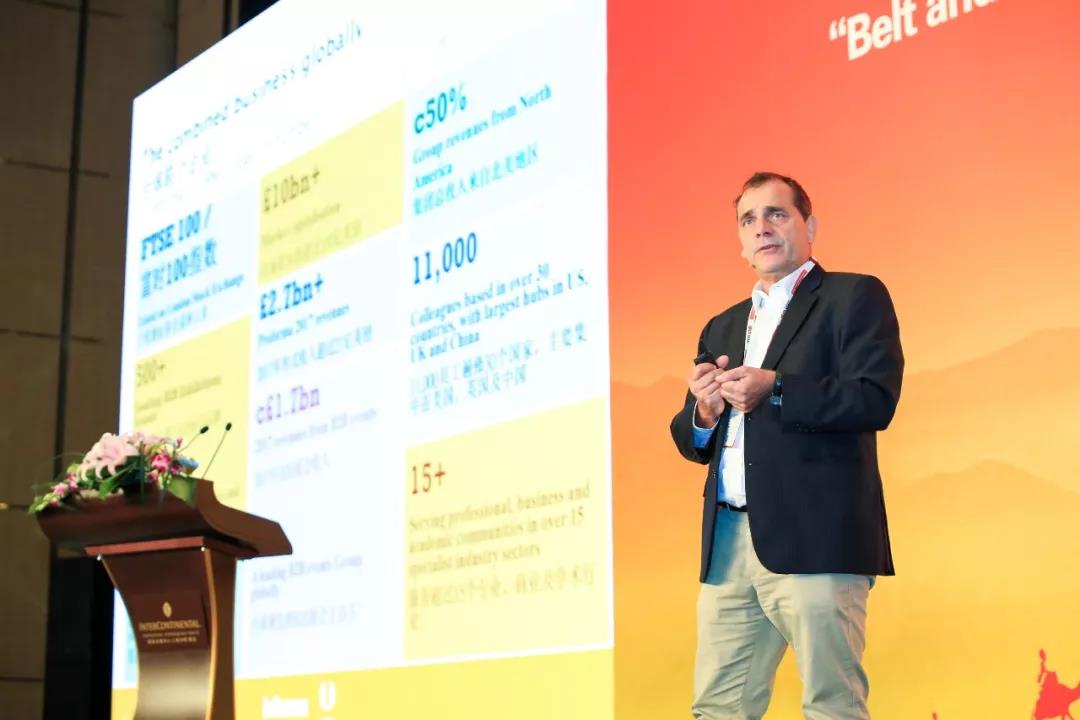
Speaker: Jime Essink, chairman and chief executive officer of UBM Asia.
Key points
After the strong combination of Informa and UBM, the two companies can work together in five areas to build a world-leading B2B information services group.
First is international scale. The second and third ranked companies combined to become number one, not only the largest but also the best. The combined group will strengthen the exhibition industry not only in sales, marketing and events, but also in information, intelligence, technology and other resources. Second is expansion. The group will have a more diversified structure in geographic coverage and industry coverage. Third is expertise. It will go deeper into industry sectors, have more specialized knowledge, bring more added value to customers and improve access to capital. Fourth is enhanced platform function. It will work to promote business activities between China and overseas markets, providing Chinese enterprises with more international and domestic business platforms and international companies with domestic platforms in China.
The history of China's exhibition industry is not very different from that of Europe and the United States. First came local exhibitions, then import-export exhibitions, where foreign exhibitors came to China to do business, and later international exhibitions developed. China now has very large exhibitions, but the world's leading exhibitions are still in Europe, France or the United States rather than China. Fifth is strength in data. Customers need to use more digital technology for online selection, and the combined group can meet that need.
Comparing several well-known exhibitions, Furniture China has become quite international, with 11 percent international visitors but only 7 percent international exhibitors. Children Baby Maternity Expo is also a very large exhibition, mainly targeting the Chinese market. Changes in family-planning policy are favorable for the maternity and baby industry. China Beauty Expo is Informa's largest exhibition in Asia. International exhibitors account for 26 percent, but international visitors account for only 1 percent, meaning more effort is needed in marketing and visitor attraction. CPhI Worldwide, one of the group's largest international exhibition projects, is held in Madrid. International exhibitors account for 89 percent, including 311 exhibitors from China, and 83 percent of visitors to the Madrid event are international, a remarkable figure.
How can China's exhibition industry become more professional? First, marketing should be professionalized, with efforts to improve return on investment for exhibitors and visitors. Second, more professional talent should be developed through training and continuing education to improve the professionalism of organizers. Third, attention should not only be paid to individual enterprises; the level of the entire industry should be improved, because higher industry-wide standards will in turn benefit companies within the industry. Fourth, industry standards should be improved, including sustainability, health, safety and intellectual property protection.
Finally, close cooperation with partners in China is especially important, including government agencies and associations. The exhibition industry is an ecosystem, and all stakeholders can achieve multi-win outcomes through cooperation.