
Note: After the Shanghai World Expo, Xu Runhe returned to the Shanghai CCPIT system and served as general manager of Shanghai CCPIT Exhibition Display Co., Ltd., continuing to contribute to Shanghai's exhibition industry. The following are his reflections on his exhibition career, written in connection with his Expo memories.
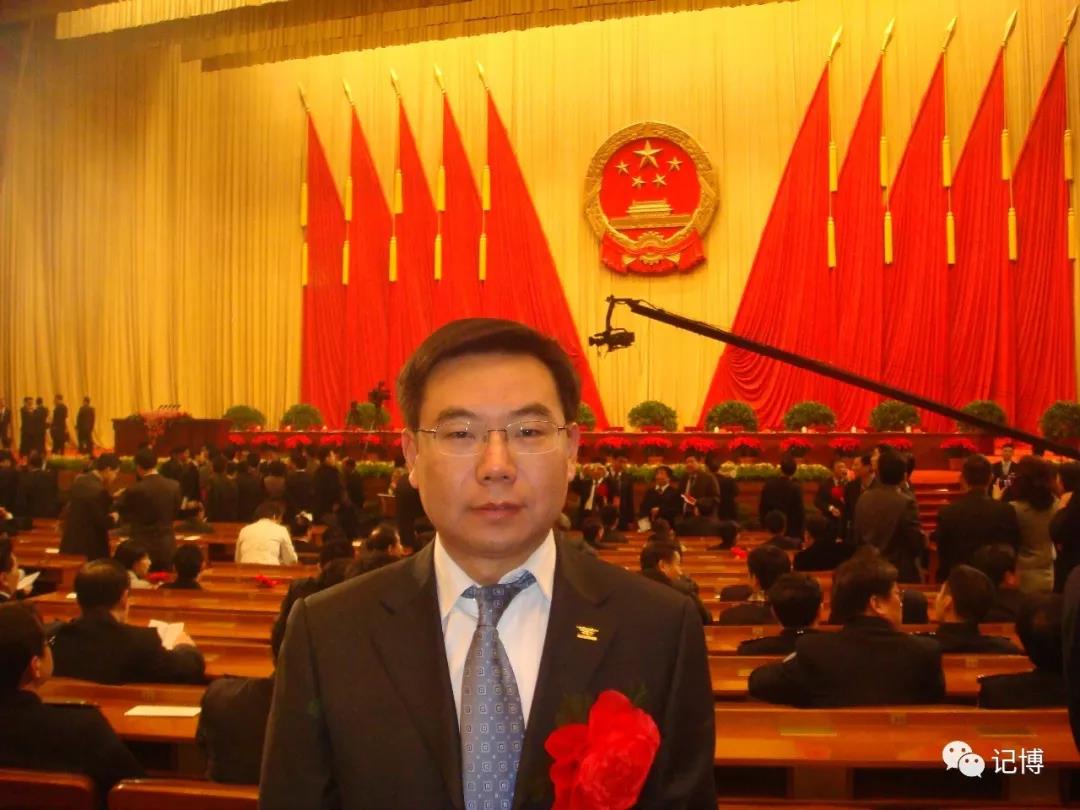
Honored by the CPC Central Committee and the State Council with the title Advanced Individual of the World Expo.
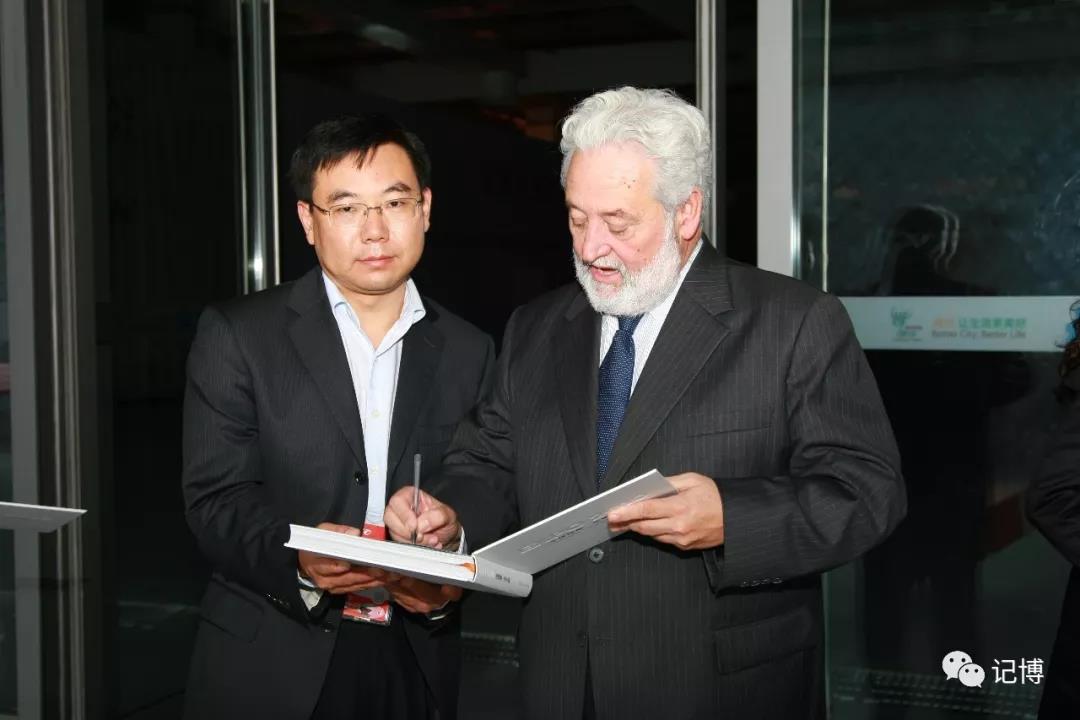
Vicente Gonzalez Loscertales, secretary general of the Bureau International des Expositions, signing The Chronicle of the Theme Pavilions.
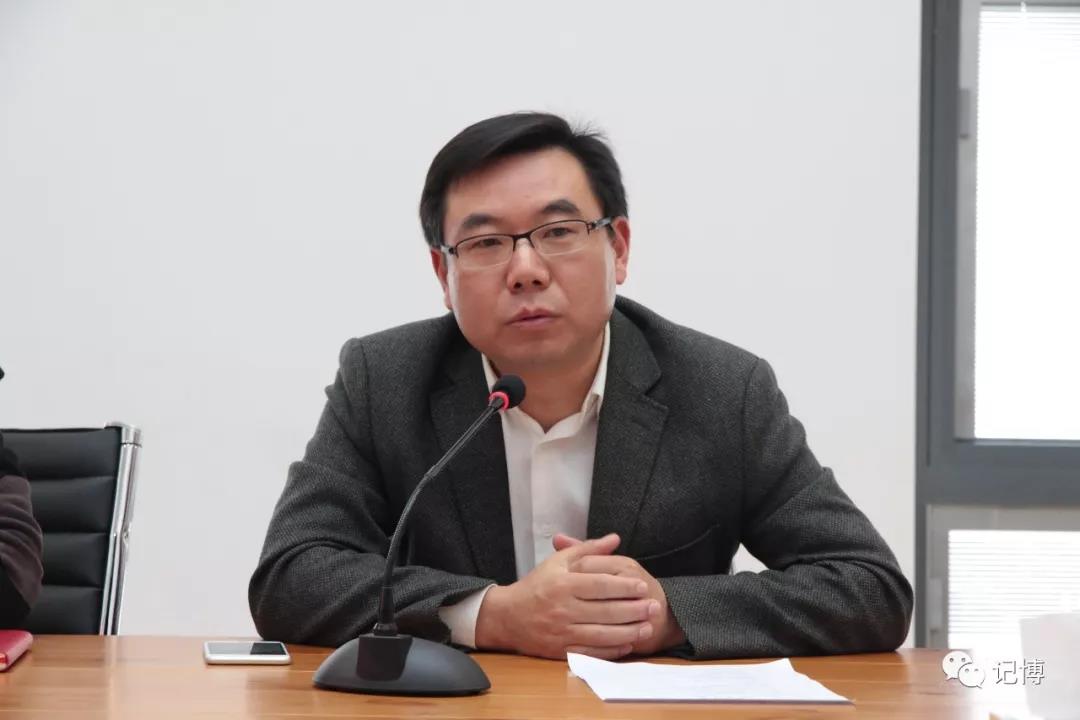
Serving as general manager of Shanghai CCPIT Exhibition Display Co., Ltd.
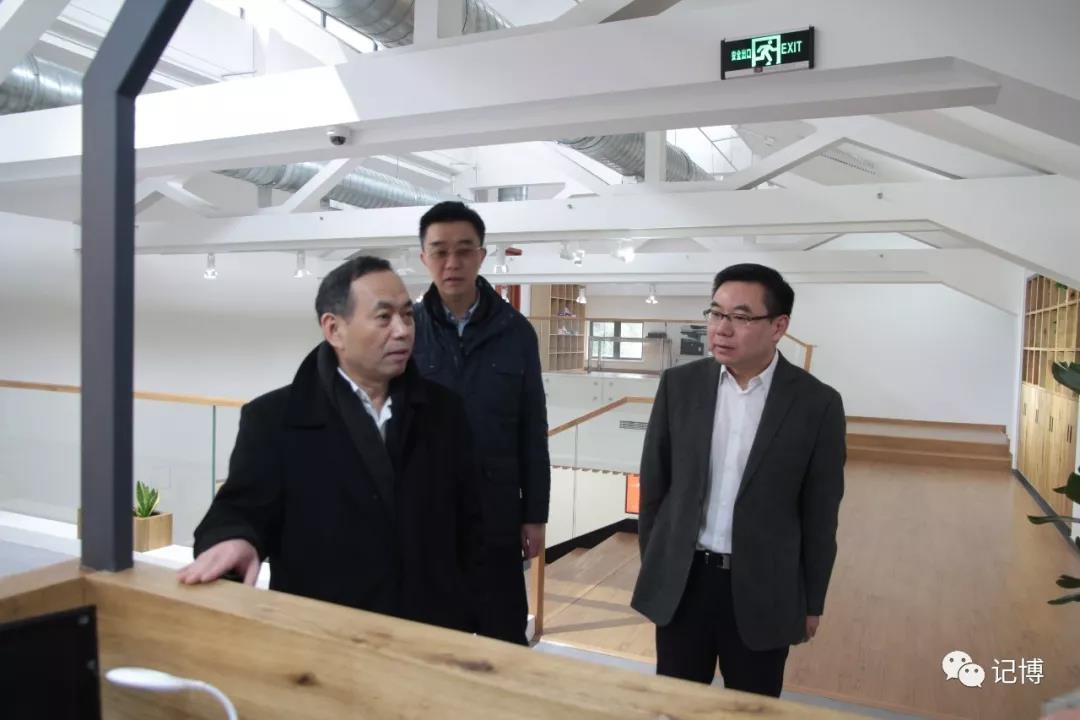
From left: Yang Jianrong, president of CCPIT Shanghai; Yu Chen, vice president; and the author.
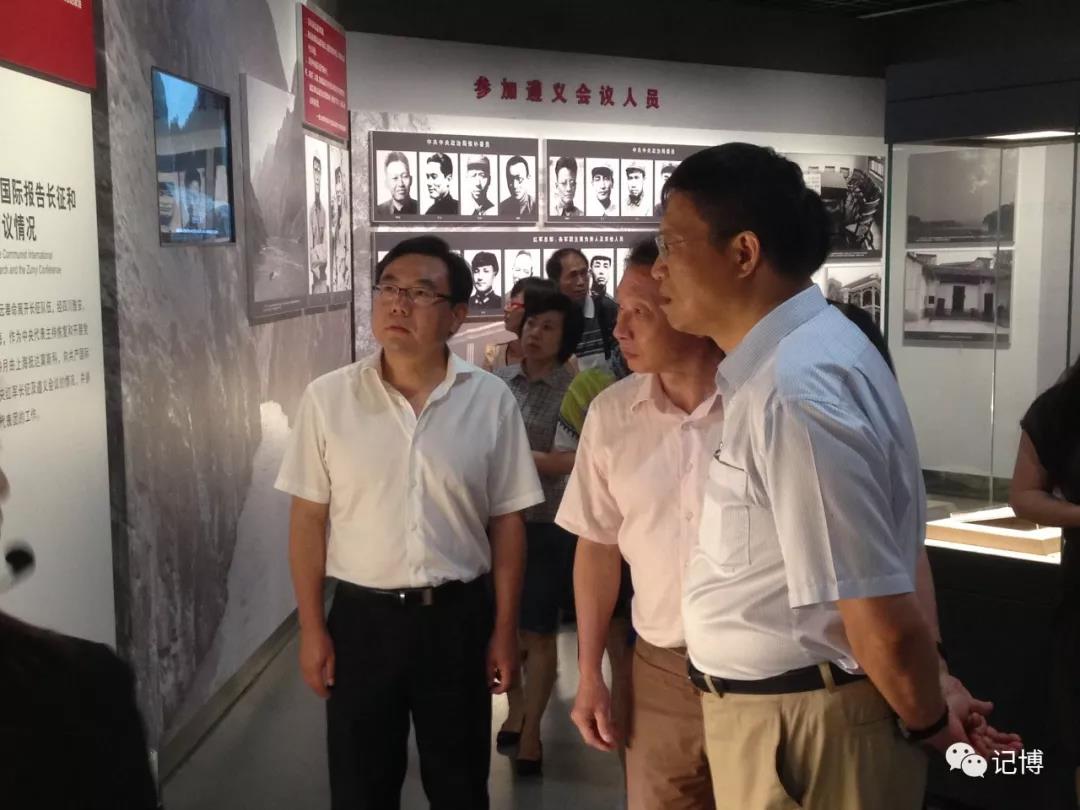
Accompanying President Chen Xianjin on a visit to the Chen Yun Memorial Hall.
The Interaction Between the Times and People: Reflections on Growth
Xu Runhe
August 2018
For more than a century, Shanghai has been China's economic and financial center. Chinese and Western cultures have met and exchanged here, shaping the city's unique character of inclusiveness and openness. The Shanghai spirit of innovation, change, and pursuit of excellence has guided vigorous social development, and Shanghai's exhibition industry has risen rapidly in this environment. The personal experience I will recount represents the growth, development, and reflections of my generation of exhibition professionals.
Origins
In the early 1990s, shortly after leaving campus, I joined Shanghai International Information and Exhibition Co., Ltd., now Shanghai International Exhibition Co., Ltd., under the Shanghai Sub-Council of the China Council for the Promotion of International Trade. In Gaoyang Mansion on Changzhi Road, I began my exhibition career. At that time, as one of Shanghai's earliest professional enterprises engaged in international exhibition services, the company exclusively undertook and organized more than 30 exhibitions of various sizes, including mold exhibitions, communications exhibitions, and bicycle exhibitions. I was still a newcomer, following the steps of my senior colleagues, learning and taking part in work. More than twenty years passed in a flash.
As reform and opening up deepened, the company's business developed rapidly. Due to business extension, Shanghai Asia-Pacific Advertising Co., Ltd., hereinafter Asia-Pacific Advertising, was established in 1993. Its founding team consisted of five employees from Shanghai International Exhibition Co., Ltd., and I was the youngest among them. At that time, Asia-Pacific Advertising mainly relied on business within the CCPIT system, while beginning preliminary market expansion on that basis. In its early stage, the company did not yet have complete conditions in all respects, and design plans were still hand-drawn. Yet under limited conditions, we constantly tried to change and improve, never satisfied with serving only the internal system. Under such conditions, we grew from small initial projects to undertaking the offline ceremony for the first Buick car of Shanghai General Motors, and expanded clients including Siemens and Bosch, laying a solid foundation for the company's continued move toward market-oriented development.
Turning point
Entering the 21st century, Shanghai's exhibition industry began to flourish. In 2001, the APEC meeting was held in Shanghai. At that time, more than twenty organizations hoped to undertake the project and participate in the bidding. Asia-Pacific Advertising passed through fierce competition and won the opportunity to participate in implementation work related to the APEC meeting. Taking part in such an important national-level project was a milestone in the company's development. For me personally, the experience of participating in the entire project became an unforgettable part of my career. At that time, the September 11 attacks shocked the world, and security became the top priority for large meetings and events around the globe. The security level for this APEC meeting was extremely high, and no mistake was allowed. This placed very high requirements on our implementation work. The team had to constantly check for gaps under various pressures and complete the task as perfectly as possible. I devoted myself completely to the project and did not sleep for three full nights. In the end, the APEC meeting work was successfully completed, and the company received a written commendation from the organizing committee.
Looking back today, although the process was extremely hard, I feel that the gains far outweighed the effort. The APEC project made me think for the first time at a macro level about the deeper meaning behind the exhibition industry. From then on, I gained a deeper understanding of the value carried by the exhibition industry, and this strengthened my determination to devote myself to it.
Opportunity
On December 3, 2002, through voting by the Bureau International des Expositions, Shanghai won the right to host the 2010 World Expo, and the World Expo gradually entered public view. In 2005, I went to Japan to visit Expo 2005 Aichi. That visit once again refreshed my understanding of exhibitions. At the Aichi Expo, I saw many advanced technologies applied in exhibitions and personally experienced the immersive exhibition environment created there. In particular, the advanced technical methods and forward-looking ideas shown in the United States Pavilion, Japan Pavilion, and Spain Pavilion left a very deep impression on me. I further realized that an exhibition itself is an artificially created simulated small world, yet on the World Expo platform, the use of exhibition language plays an important role in reflecting the political, economic, cultural, scientific, and technological development levels of different countries. This has far-reaching significance for a developing country such as ours. This was my first intersection with the World Expo. At that time, I did not expect that soon afterward I would also step onto the World Expo stage.
In 2007, while I was traveling in the Shannan area of Tibet, I received an inquiry and invitation from the Bureau of Shanghai World Expo Coordination. I was conflicted because I had no experience in World Expo work and had many concerns. Chen Xianjin, then deputy director of the Bureau, said to me: China is hosting a World Expo for the first time, and no one has experience. As long as we keep learning and exploring, we will certainly find a working method that fits Chinese characteristics and Expo requirements. Encouraged by this, I put aside my concerns and firmly accepted the transfer, officially being seconded to the Shanghai World Expo Bureau.
Challenge
After entering the World Expo work system, I immediately participated in the bidding work for the concept design plans of the China National Pavilion and the five Theme Pavilions. The World Expo Organizing Committee required us to gather the wisdom of the world and mobilize the strength of the whole country. In April 2008, I traveled with the inspection team of the Shanghai World Expo Bureau to Europe, visiting the Netherlands, Germany, and Spain. We met many well-known designers, scholars, and experts who had previously hosted World Expos. Through continuous communication, many of our doubts were resolved. Through this inspection, we became convinced that interpreting the Shanghai World Expo theme Better City, Better Life well was the key to advancing the project. At the same time, I further realized the responsibility carried by the Theme Pavilions: as venues built by the organizer to interpret the Expo theme, they represented the organizer's viewpoint and position. We also defined the World Expo as a display activity characterized by large visitor flows and fast-paced visiting methods that conveys exhibition content while also encouraging visitor reflection. These results from the inspection laid a good foundation for my subsequent work and gave me more confidence in continuing to advance venue construction.
In early 2009, in order to better implement and advance engineering construction for each pavilion, the Shanghai World Expo Bureau established the Theme Pavilion Department, and I served as deputy director. How to use space, exhibits, exhibition items, display methods, and other elements to interpret the seemingly abstract phrase Better City, Better Life and turn it into an implementable plan became the focus of my work. Looking back, the difficulties of the work can be summarized in three areas.
First, the requirements for content interpretation were high. The Theme Pavilions communicated the core values of the World Expo. They were the backbone and main axis for interpreting the Expo theme and an important vehicle for educating the public. In other words, the Theme Pavilions embodied international universal values. The cases selected in their design plans needed to be global, while cultural differences also had to be considered. This required us to think from a pluralistic perspective. For example, in the Urbanian Pavilion, we selected six families from six continents and filmed them for three weeks, making their lives, work, study, communication, and health the core exhibit. In the Pavilion of Urban Planet, we collected cases from around the world on waste treatment, the biosphere and emissions, water pollution, and other topics, explaining the theme that people, cities, and the planet coexist and prosper together.
Second, leadership attention was high. As venues built by the organizer, the Theme Pavilions received great attention from leaders at all levels. I remember that during each stage of construction, central and municipal leaders came many times to inspect the work. The final plan was determined after reports were made to the World Expo Organizing Committee and central leaders. All of this made me feel that the burden on my shoulders was as heavy as Mount Tai, but the care and recognition from leaders at all levels strengthened my conviction to move forward.
Third, project management was highly difficult. The total exhibition area of the five Theme Pavilions exceeded 73,000 square meters. Their construction, planning, design, and installation covered many specialties, including structural foundation, exhibits and exhibition items, technical equipment, and other aspects, all of which needed organic coordination at different stages. The work involved not only division of labor and cooperation among domestic and foreign teams, but also relationships between general contractors and subcontractors. These created many difficulties for construction management and were major challenges we had to face.
During the preparation of the World Expo, working day and night, seven days a week, became normal. When I saw the Theme Pavilions turn from drawings into reality, when I saw them change from empty darkness into brilliant colors, when I saw our team members move from exhausted faces at work to bright smiles on opening day, and when I saw the World Expo from the first visitor entering the Theme Pavilions on opening day to the last visitor reluctant to leave on closing day, all of this filled me with many feelings.
After the Theme Pavilions entered normal operation, whenever I had spare time I reviewed and reflected on the experience and began organizing related materials. I found that during the preparation and construction of the World Expo there were more than 900 meeting minutes, and these documents faithfully recorded every detail of my work during the Expo. I thought that if these experiences were edited into books, they would not only summarize my work during that period, but also provide reference for later generations and have positive significance for the development of the exhibition industry. With the support of leaders and colleagues at the Shanghai World Expo Bureau, I eventually compiled and published three books. Global Perspectives, Lighting Up the Theme presents the design concepts and meanings of the five Theme Pavilions. The Chronicle of the Theme Pavilions records, in a knotting-events style, the difficulties encountered during Theme Pavilion construction and the countermeasures adopted. Images of the World Expo selects 31 pavilions based on visits, records, and interviews with relevant designers, presenting their planning ideas, management systems, and other aspects, and comprehensively showing the World Expo as a grand event of multicultural exchange.
Honor
The Theme Pavilions aimed to respond to and interpret how cities make life better, and we were the builders of the Theme Pavilions. Likewise, we were also responding to and interpreting our own lives, which became more splendid and unforgettable with the World Expo. On December 27, 2010, the summary and commendation conference for Expo 2010 Shanghai China was solemnly held at the Great Hall of the People in Beijing. I was honored by the CPC Central Committee and the State Council with the title Advanced Individual of the World Expo. When I accepted this national-level recognition of my work and heard the long and warm applause in the hall, I could not suppress the surge of emotion in my heart. Scene after scene from the struggle for the Shanghai World Expo appeared before my eyes as if they had happened yesterday. The Shanghai World Expo showed China's strength to the world, promoted international cultural exchange, and marked that China's exhibition industry had reached international standards. It not only promoted the development of the exhibition industry, but also enhanced the public's understanding of the significance and social role of the exhibition industry.
Expansion
After the World Expo work ended, I returned to the Shanghai CCPIT system in April 2011. In June of the same year, the Party group of CCPIT Shanghai decided to establish Shanghai CCPIT Display Design Engineering Co., Ltd., which was renamed Shanghai CCPIT Exhibition Display Co., Ltd. on August 21, 2017, and I served as general manager. Guided by the concept of thinking, design, and management, the company focused on adopting a diversified business strategy in the exhibition field. While maintaining commercial exhibition services, it expanded into museums, cultural and creative special exhibitions, and exhibitions that it organized or co-organized, continually achieving new results.
In the museum display field, we successively won key projects including the Chen Yun Memorial Hall and the Museum of Traditional Chinese Medicine. In the commercial exhibition field, we undertook the Light of Internet Expo at the World Internet Conference for many consecutive years. This year, at the world-renowned first China International Import Expo, we undertook multiple service tasks, completed planning and editing for the Expo's early-stage promotional film, became the exclusive advertising agency service provider for the CIIE, and undertook design, planning, and construction work for many national pavilions and enterprise pavilions. At the same time, in order to thoroughly implement the spirit of the 19th CPC National Congress, fully implement the goals set at the symposium of principal leaders in the Yangtze River Delta region for innovation-led development and joint efforts to build a world-class city cluster, respond to the important milestone of the 40th anniversary of reform and opening up, give full play to the strategic role of the cultural industry in supporting Yangtze River Delta integration, and accelerate coordinated development of cultural industries in the region, the first Yangtze River Delta International Cultural Industries Expo was held under the organization and leadership of the publicity departments of the Party committees of the three provinces and one municipality. Our company, as the organizer, was responsible for specific organization and implementation. This was another important move in the company's transformation and development. The Yangtze River Delta Cultural Industries Expo allowed me to see the great potential of emerging exhibition formats with culture as their content, and it also triggered my exploration and thinking on the integration of cultural creativity and exhibitions.
In November 2017, in order to promote the healthy and orderly development of cultural and creative special exhibitions, the Shanghai Convention and Exhibition Industries Association established the Cultural and Creative Special Exhibition Professional Committee, and I served as its director. At present, the committee has signed a cooperation agreement with the USC-SJTU Institute of Cultural and Creative Industry to establish the Shanghai Cultural and Creative Special Exhibition Research Center. The center will carry out basic research and industrial development research in the field of cultural and creative special exhibitions, systematically providing theoretical support for the industry, intellectual support for government industrial policy-making, and trend forecasts for industry development. This year, we plan to form the first research report on cultural and creative special exhibitions and publish the results in the Shanghai Cultural Industry Blue Book. We will also use the Yangtze River Delta International Cultural Industries Expo as a platform to organize a special exhibition area centered on cultural and creative special exhibitions, and organize a themed forum on enhancing new cultural advantages and stimulating new industrial momentum, striving to cultivate this new business format and better reflect the development trend of culture benefiting the people.
Understanding
More than twenty years of exhibition work have allowed me to witness the rapid and transformative development of Shanghai's exhibition industry. With changes in technology, changes in people's life concepts, visualization of media systems, and the internetization of business models, the exhibition industry has gone far beyond simple exhibition and display. It has gradually penetrated across fields and formed diverse business formats. I believe the future development trend of the exhibition industry has four aspects. First is technological change. In the future exhibition industry, new media technologies will continue to emerge, effectively improving the visitor experience and bringing new vitality to traditional exhibitions and venues. Second is functional change. Exhibitions will not only be economic and trade platforms, but will increasingly become a form of cultural, leisure, and entertainment consumption. Third is change in management methods. Big-data application will become a powerful tool for exhibition organizers, and accurately obtaining information about relevant groups will become increasingly important. Fourth is change in business models. New exhibition economy business models will not necessarily be traditional B2B models; they may also be B2C. The cultural and creative special exhibitions I mentioned earlier are a distinctive B2C model.
Mission
The exhibition industry is an emerging industry and, even more, an industry that continues to develop and progress. In this environment, I must keep learning, continuously communicate with experts from all walks of life, and absorb fresh ideas and different viewpoints. At the same time, I believe that as a member of the exhibition industry, I have a responsibility to contribute to its progress. In addition to serving as director of the Cultural and Creative Special Exhibition Professional Committee of the Shanghai Convention and Exhibition Industries Association, I also serve as deputy director of the Association's Exhibition Engineering Professional Committee. I participate in qualification evaluation and related teaching work, and am committed to compiling recommended technical standards for the exhibition industry, seeking to guide the industry toward standardization and healthy, long-term development. I also care about exhibition talent education and serve voluntarily as a part-time graduate supervisor at the USC-SJTU Institute of Cultural and Creative Industry. This role gives me the opportunity to pass on the experience I have gained in the exhibition industry to the younger generation, guide young exhibition professionals in their exploration and thinking, and prepare more interdisciplinary talent for the industry's future development.
Looking back on the more than twenty years I have traveled, sometimes I feel that the times pushed me forward, and sometimes I feel that I contributed a modest amount to the development of the exhibition industry. I believe this should be a common feeling among Shanghai exhibition professionals. The road ahead is long. Shanghai is becoming one of the world's most prosperous cities for the exhibition economy, and it has set the goal of building itself into an international exhibition capital. Living in such a great era, I will stay true to my original aspiration, revive the passion I had more than twenty years ago, and continue to search high and low. In the journey ahead, I will continue to move forward with many other exhibition professionals, step by solid step.