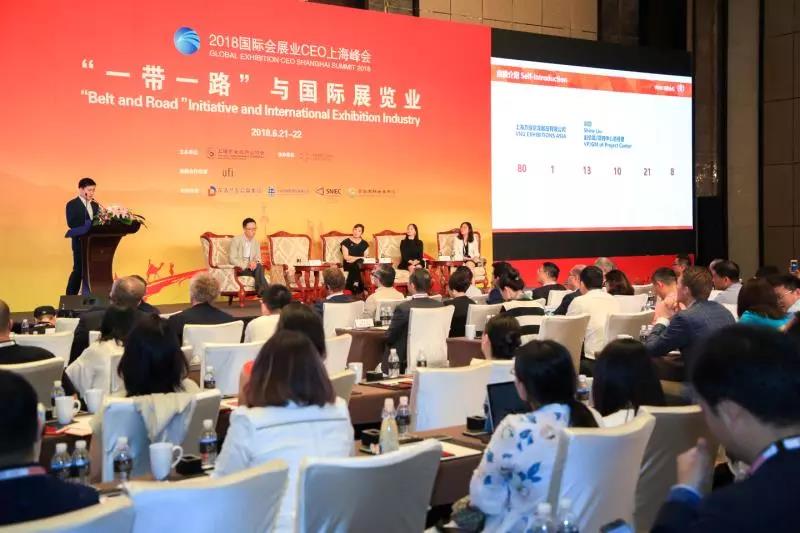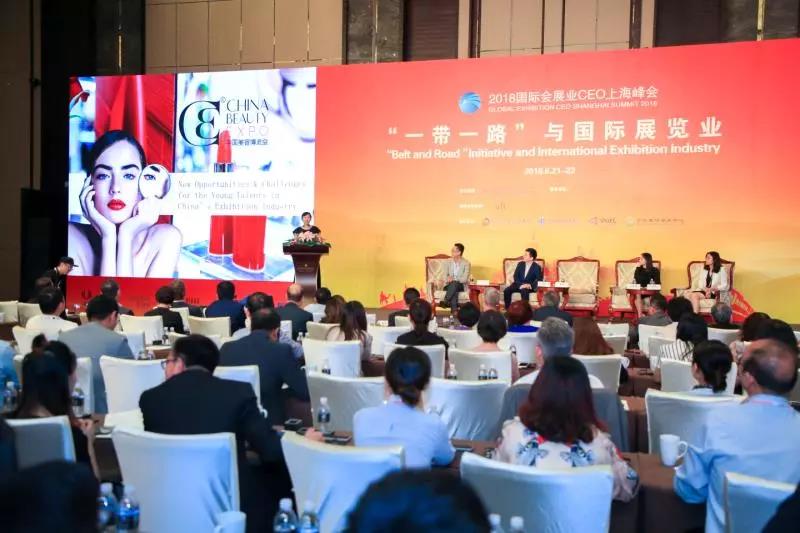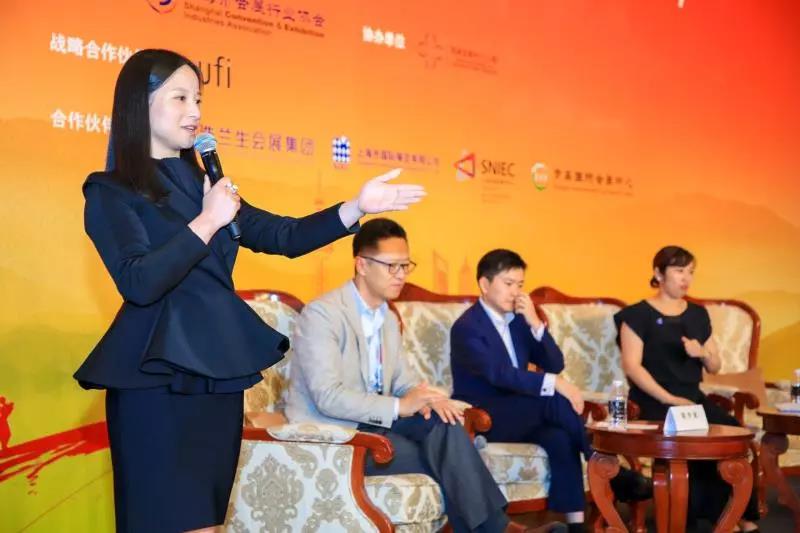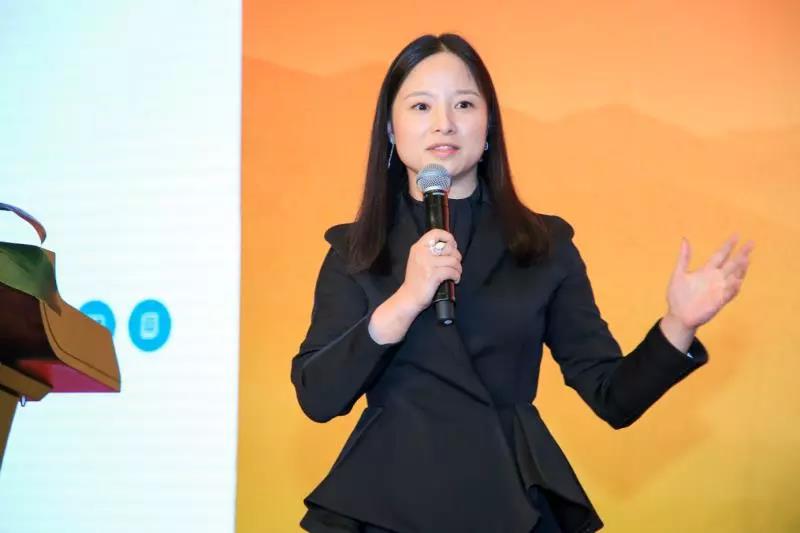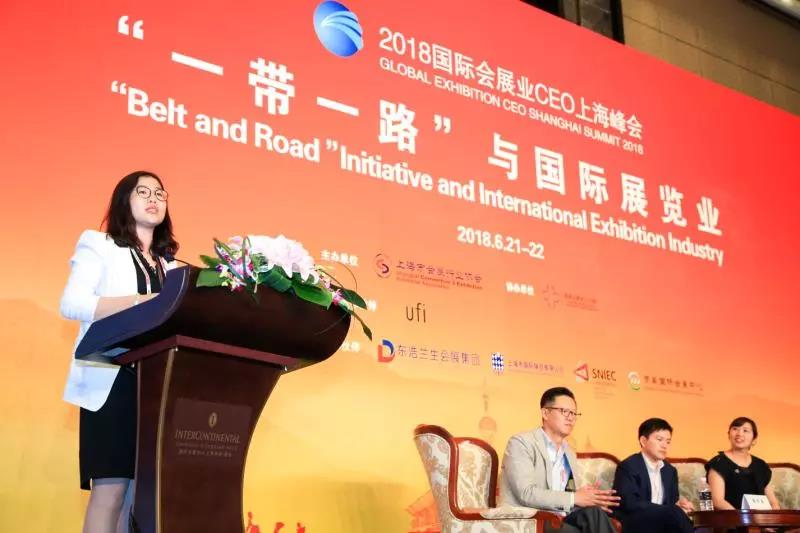
Morning of June 22.
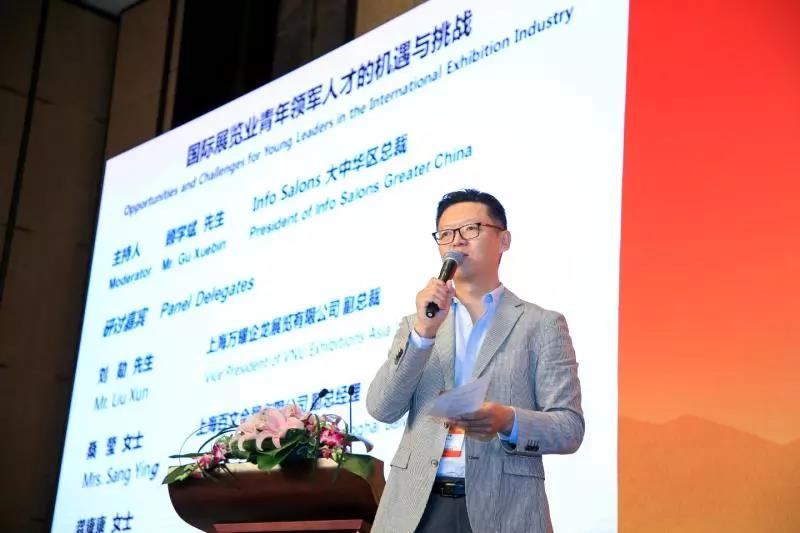
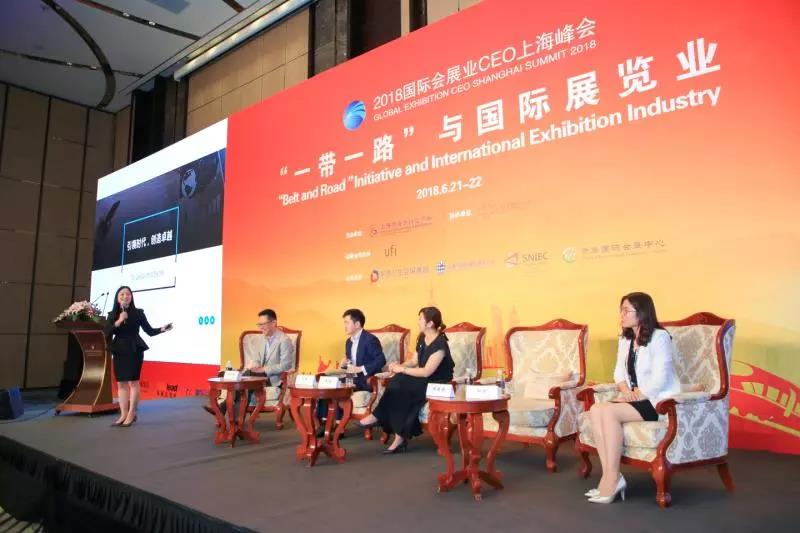
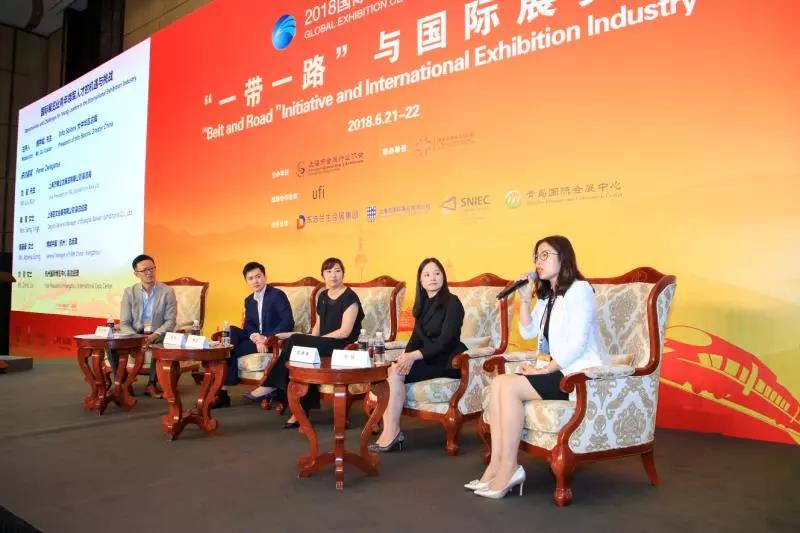
Panel Discussion: Opportunities and Challenges for Young Leading Talent in the International Exhibition Industry
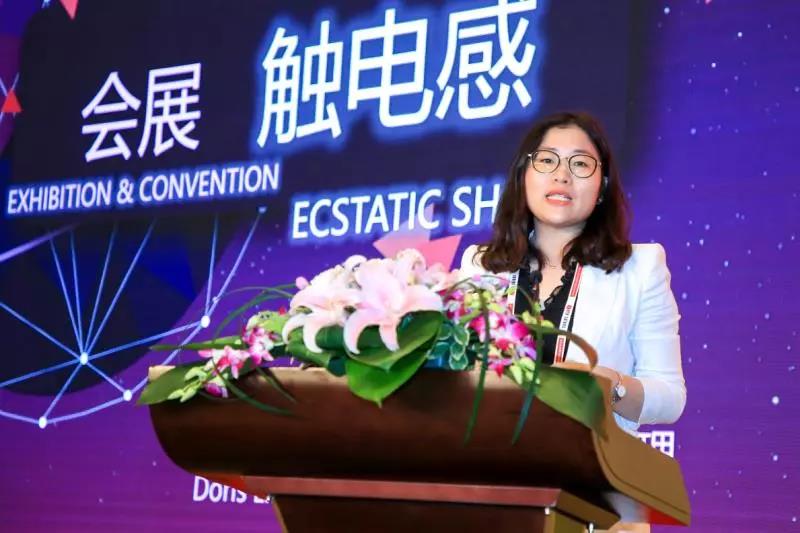
Moderator: Gu Xuebin, President of Info Salons Greater China.
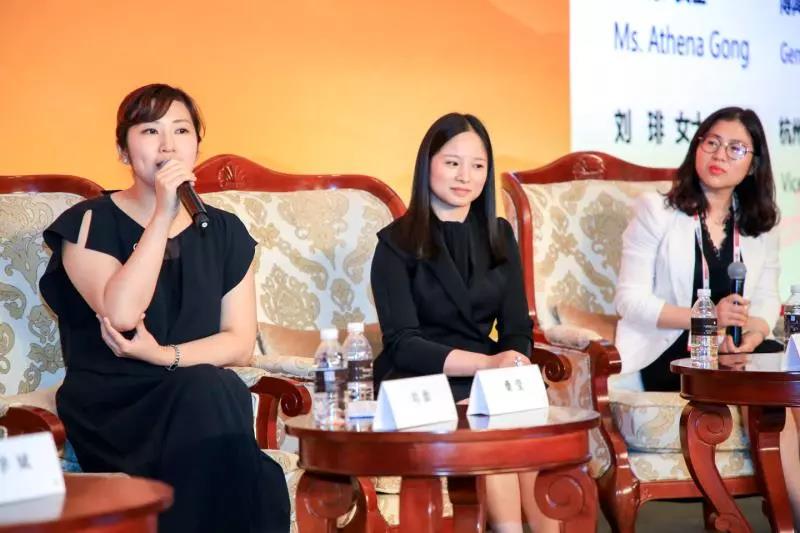
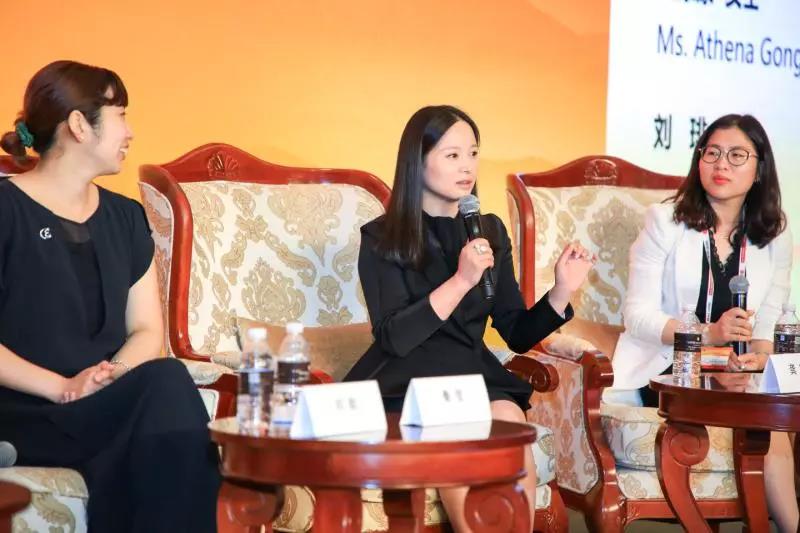
Panelists: Liu Xun, Vice President of Shanghai VNU Exhibitions Asia Ltd.; Sang Ying, Deputy General Manager of Shanghai Baiwen Exhibition Co., Ltd.; Gong Kangkang, General Manager of UBM China Hangzhou; Liu Bei, Deputy General Manager of Hangzhou International Expo Center.
Gu Xuebin: The four guests here are under 40 on average, have more than 10 years of industry experience, and are responsible for businesses worth more than RMB 1 billion. I would first like each of them to introduce themselves.
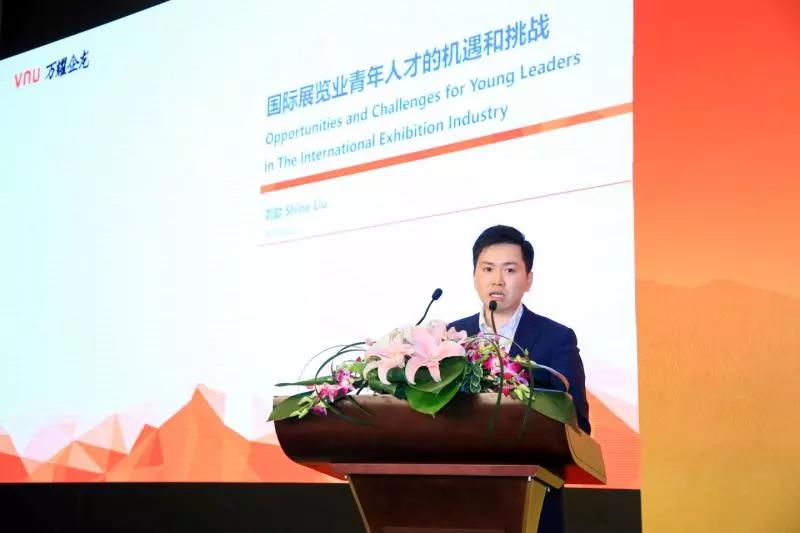
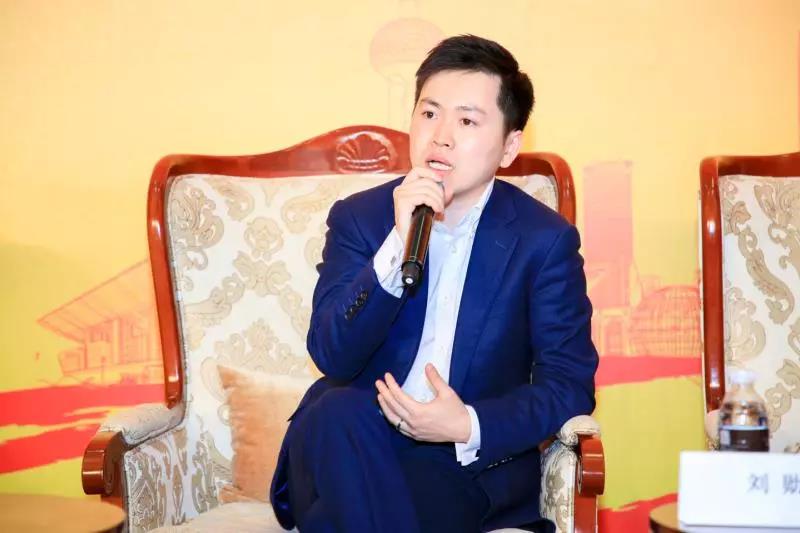
Liu Xun: I did not come from a specialized exhibition major. I participated in convention and exhibition-related work while still at school, started as an intern at VNU Exhibitions Asia, stayed on to work there, and have now been with the company for 13 years. I am currently responsible for 21 exhibition projects and eight departments.
My personal growth experience can be summarized as follows. Being trusted: the European headquarters trusts China, and the Chinese company trusts its employees. Being supported: when difficulties arise, the company provides continuous motivation and capability. Being tolerated: the company accepts and tolerates our mistakes, giving us room to grow. Being influenced by corporate culture: from the founders to the whole company, everyone leads by example and pursues excellence.
Opportunities and challenges: the workforce as a whole is becoming younger. We need to make use of the advantages of young people, especially those born in the 1990s. This is the main factor determining whether they will play a positive or negative role in the future. Managing and developing young people well will be a core factor in future competition in the exhibition industry.
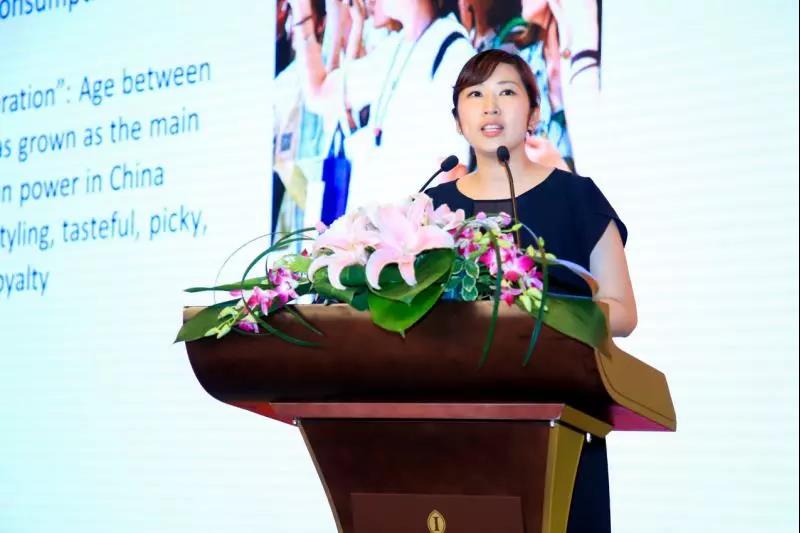
Sang Ying: I come from Shanghai Baiwen Exhibition Co., Ltd. We manage the world's largest beauty expo. Over the past 20 years, we have focused only on the beauty sector. The younger generation has now become the main consumer group in the Chinese market, including all our customers, exhibitors, visitors and consumers, and they have begun to guide the market. Millennials have very different consumption concepts from the previous generation. We have conducted extensive consumer-behavior research and found that young people emphasize individuality and showing what makes them different. This is a trend among young people in China and even around the world.
Twenty years ago, we were entirely a trade exhibition. Twenty years later, we have completely changed. We no longer have only trade and transaction functions. If an exhibition is only a platform for transactions or trade, it can easily be replaced by other platforms, and even by media.
Beauty is a very large industry, covering raw materials, packaging, machinery, OEM, ODM and finished products. For these different links, we have different exhibitions. We need to go beyond the expo and turn it into a major party and festival. More than 500 professionals gather in Shanghai at different venues with different themes, and more than 50 events, workshops, speeches and lectures are held concurrently. Each year we select a guest country of honor. The event presents not only cosmetics, but also fashion, food, culture and many interesting performances.
We also hold fashion exhibitions. We cooperate with 40 designers to combine sculpture, painting, cosmetics and packaging into a Design Trend Show. When people enter the exhibition, it feels like entering an art gallery or museum.
Another example is the Grasse Perfume Museum in France. This is a niche perfume exhibition, and we expanded its influence by engaging visitors' five senses and giving them different experiences. Each pavilion has a theme, such as a visual theme or an olfactory theme.
Being young is not only about age. More importantly, it means having different attitudes, behaviors and ways of thinking. We believe our competitors are no longer only exhibition organizers, but any type of company capable of providing added value to customers. We must keep pace with change, continue innovating and go deeper.
Gong Kangkang: Exhibitions are a people business. We must find good talent and cultivate good talent. What kind of talent do we want? Certainly people with the systematic management thinking of professional managers, as well as the passion and flexible, fast-moving style of entrepreneurs. For exhibitions, taking buyer and exhibitor satisfaction as the starting point is the most critical factor.
Innovation is an eternal theme, and innovation is also a challenge. But innovation does not simply mean being new, changing or moving fast. The key is an efficient team culture with an innovative spirit.
Building an ecosystem is essential. A maternity, baby and child exhibition is not only a trading platform, but also a platform that helps everyone build the child-related industry. I always tell buyers and exhibitors that when their business is good, we will be better.
How do we achieve this? We have magazines that share information with industry participants. We have an app that shares industry information. We have reports on distribution channels and consumer-behavior analysis to guide exhibitors and buyers. We also have many courses that teach people how to open stores and how to become our buyers.
Only by maximizing the interests of all stakeholders can an enterprise remain healthy and sustainable. As exhibition organizers, we help everyone design the future direction of the industry, help all industry partners solve today's problems, and guide the whole industry toward future development. Our slogan is: focus on the present, lead the future.
Liu Bei: Everyone has mentioned innovation. When talking about talent, people sometimes ask why some people become conflicted after staying in this industry for a long time. It is because they feel bored. But conventions and exhibitions can give us stimulation and a sense of freshness every day.
Innovation is the driving force for enterprise development. From the perspective of a venue manager, what is innovation? There are two levels: fundamentals and pain points.
Regarding fundamentals, let me use biological evolution as an analogy. The development of China's convention and exhibition venues is like the evolution of the exhibition industry. Living organisms constantly respond to external stimuli and adapt to new environments so that they can keep growing. China's first generation of exhibition venues resulted from assistance from Soviet experts. The second generation displayed achievements in Chinese industry and trade. The third generation served commercial exhibitions. The fourth generation became professional exchange platforms. Now we have reached the fifth generation: integrated platforms. This is the adaptation and upgrading that venues have produced in order to survive in the market environment. Only in this way can venue enterprises survive.
The second level is pain points. We must actively look for pain points, find community data through pain points, and then find industrial data through community data. The trend of industrial data will guide the whole exhibition industry and trigger new industrial upgrading. Through innovation, we need to find new management concepts for venues, raise them to service experience, then to new business models, and then to functional value and a new role orientation.
Along with the development of the exhibition industry and exhibition venues, I believe the future of young exhibition professionals is the future of China's exhibition industry, and it will also be the future of the world's exhibition industry. It is precisely these different points of stimulation that continuously inspire our creativity and help us create a new pattern for China's exhibition industry.
Moderator Gu Xuebin: The exhibition industry is developing so quickly. You are young leaders now. What do you think you will be doing ten years from now?
Liu Xun: Ten years from now I will still be in the exhibition industry, but exhibitions then may no longer be exhibitions in the current sense. I once proposed an idea that in the future our exhibitions could be free. Of course, how to do this requires continued thought and experimentation.
Sang Ying: China and the world are both developing too quickly. Ten years means many things. Compared with 20 or 30 years ago, today's exhibition industry has already changed dramatically, and the future exhibition industry will certainly not look like it does now. Anything is possible. In ten years, there may be a thousand or ten thousand kinds of changes and futures.
Gong Kangkang: We make three-year and five-year plans, but no company asks us to make a ten-year plan. Too many things can happen in ten years. As for me, I do not know whether I will be retired, still working in exhibitions, or doing something else. I can only keep learning and strengthen my competitiveness, then decide at that time whether to stay, leave or pursue other development.
Liu Bei: Ten years from now, the entire exhibition industry will have greater inclusiveness, because it is one of the most concentrated forms of human communication and exchange.
Moderator: Thank you to President Chen for affirming and supporting my choice to moderate the young leaders discussion, which is also the closing session.
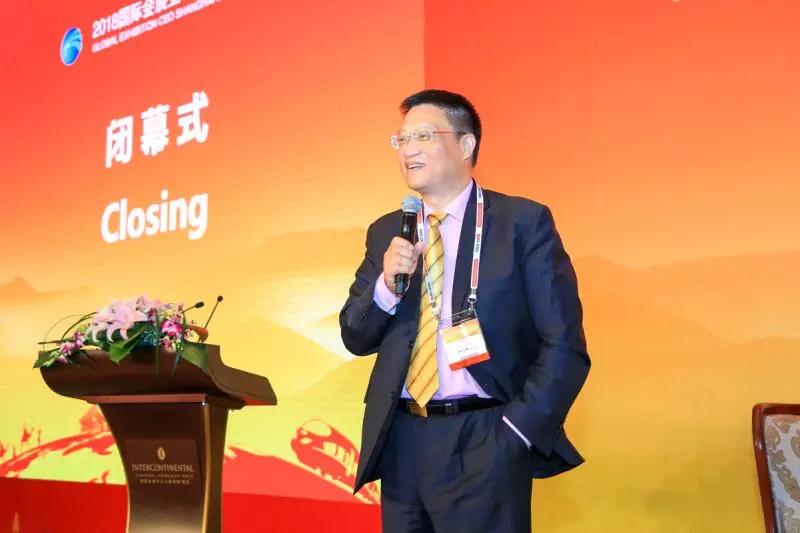
Chen Xianjin's closing remarks: The theme of this summit is the Belt and Road and the international exhibition industry. We used the first half-day to discuss this strategy, the second half-day to discuss the relationship between the strategy and the industry, and this morning, the third half-day, to discuss how our enterprises and talent can internationalize in order to implement the strategy. The entire forum was designed around this theme, and the three half-day sessions form an organic whole. I hope the summit provides better help and inspiration to every participant. Finally, I am very happy to see the four young people, whose performance was excellent. These young people deserve even greater encouragement.