Morning of June 22
Topic: Discovering, attracting and developing outstanding talent
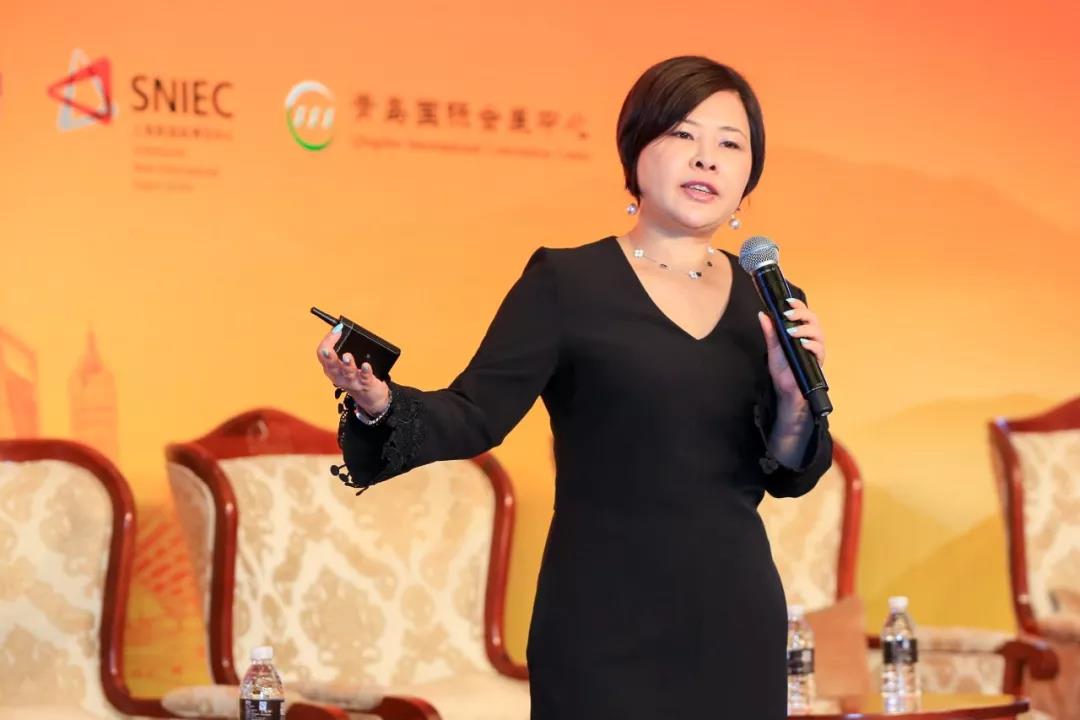
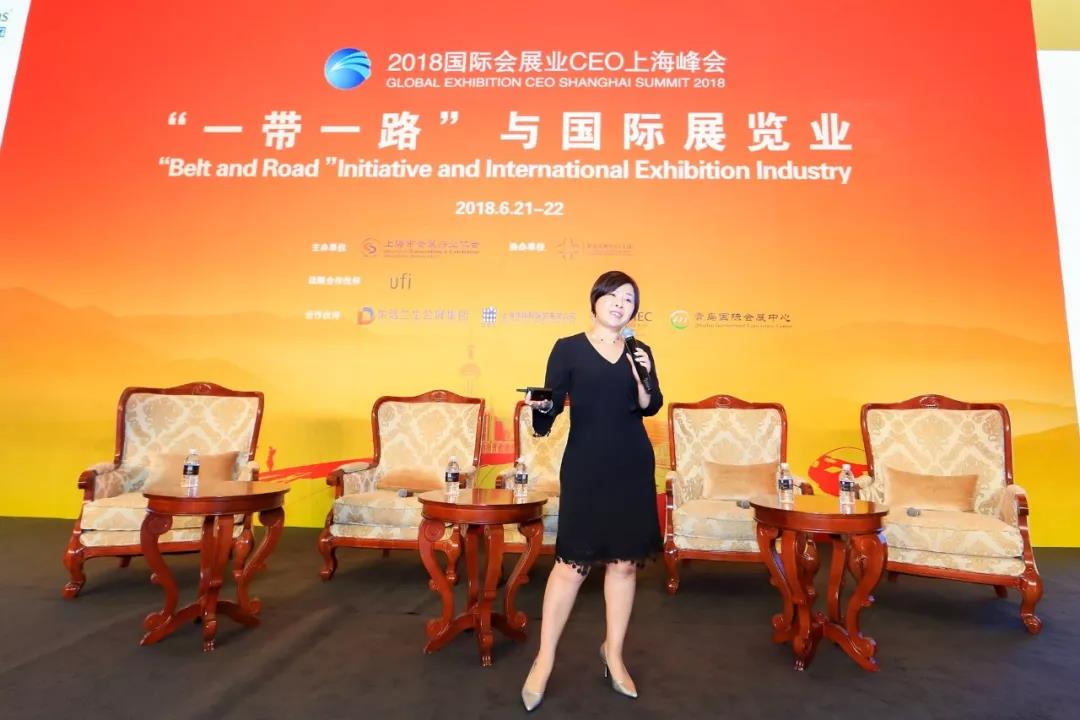
Speaker: Lee Nga Yee, chief operating officer for Greater China, Reed Exhibitions.
Key points
Reed Exhibitions has 41 offices and 3,900 employees worldwide. In 2017, it organized more than 60 events, attracting more than 1.5 million visitors and over 30,000 exhibitors.
Talent is the core competitiveness. The only competitive advantage between a top company and those that imitate it is its people. A company's human resources policy should cover the entire career cycle of employees: attraction, acquisition, onboarding, integration, development and retention.
Stage one: attraction and acquisition
A company must create a working culture that can attract and retain top talent.
In attracting talent, brand influence is important. Becoming a best employer matters. Over many years, Reed Exhibitions has worked to create a corporate culture that can attract and retain talent. Recruitment appeal is also important. To attract innovative talent, recruitment advertising must change. It must be energetic and creative enough to draw excellent people. Recruitment channels should also change. Recruitment cannot remain limited to traditional channels; new channels are needed.
In acquiring talent, candidate experience is important. When a candidate comes to the company, the second person he or she meets may be a support staff member. What impression does that person leave of the company? Candidates usually have many choices. Why should they join this company? Does the environment feel right to them? Experience matters. Clear job standards are also important. Can the interviewer explain clearly, and is the role what the candidate wants? Efficient interviews matter as well. Although an interviewer may come from the human resources department, can the hiring manager ask good questions? Does the manager know how to identify the talent being sought? Compensation and overall benefits are also critical. Whether the total package is competitive is a very important element. Reed promotes the company on global social media so that talent can understand that it is a company worth joining.
Stage two: onboarding and integration
When looking for talent, a company should consider not only skills, but also values, behavior and whether the person's ideal work style and team expectations are consistent with the company. It must consider how that person can add value to the team after joining.
Companies need a very stable employee team to identify talent, then help that talent develop and stay.
Stage three: development and retention
The role transformation of exhibition project leaders is essential and is part of Reed's future development strategy. Reed's requirements for project managers have shifted from task execution and an internal orientation toward brand products and an external orientation.
For future exhibition project leaders, Reed requires the following: focus on brand product management; expand externally, face customers and focus on the industries served; achieve organic growth through innovation; understand data and digitalization; inspire teams and lead with high emotional intelligence; maintain resilience and adapt actively to environmental change; show personal perseverance, make good decisions and stay results-oriented.
The career cycle of talent
The first step is to understand the definition of talent. What role does a person play in the company, and what behavioral capabilities are required? Once the role and framework are clear, performance in the company can be assessed accordingly.
A talent development plan has two parts. The first is the present: the person must first have the ability to meet current job requirements. The second is the future: the company should have a deep understanding of identified talent, what future the person hopes to have in the company, and what capabilities will be needed for future roles, so that a development plan can be built.
Different employees require different development plans. Some employees have already achieved their self-development goals and are ready to become future project managers and prepare for future career development. Some employees are still developing and need extra time and support to complete their personal career development goals. Others need to be understood more deeply because they require more time and support in their personal career development.
Talent development is a continuing journey, not an endpoint.
Question session
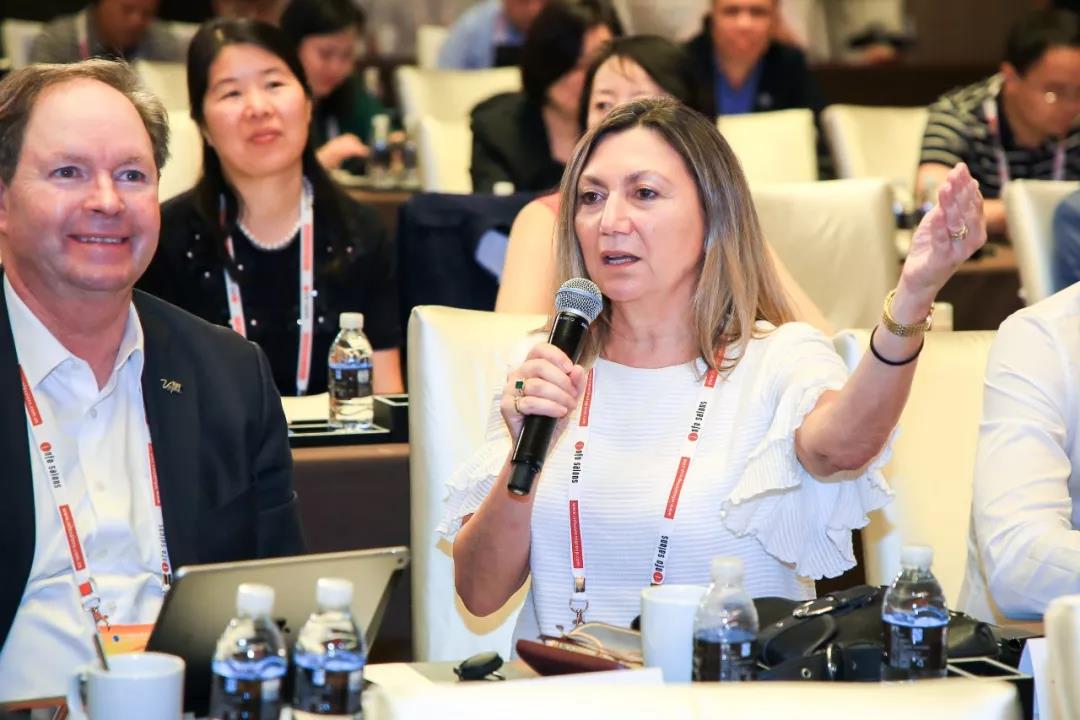
Question: Talent is the biggest challenge facing our industry, especially in China. Young people born in the 1980s and 1990s in China may resign after working with us for 12 months, even if they like the job. They may feel that 12 months is already a long time. How should we view this phenomenon, and what should we do?
Lee Nga Yee: This situation is very common. To them, 12 months can feel like 12 years. We must continue to evolve to respond to these challenges, and we have measures and methods to do so. For example, young people need to maintain a sense of freshness, so we have job-rotation plans and do not let young employees stay in one position for too long. We also provide a relatively independent and innovative working environment; sometimes the work environment is very important. In the past, people started work at 9 a.m. and finished at 11 p.m. That is no longer the way. We are now results-oriented. Even if you work in space, it does not matter as long as you deliver results. My personal approach is to make sure that our goals provide employees with freshness, continue to stimulate them, keep them happy and busy, and encourage them to work here.