Morning of June 22.
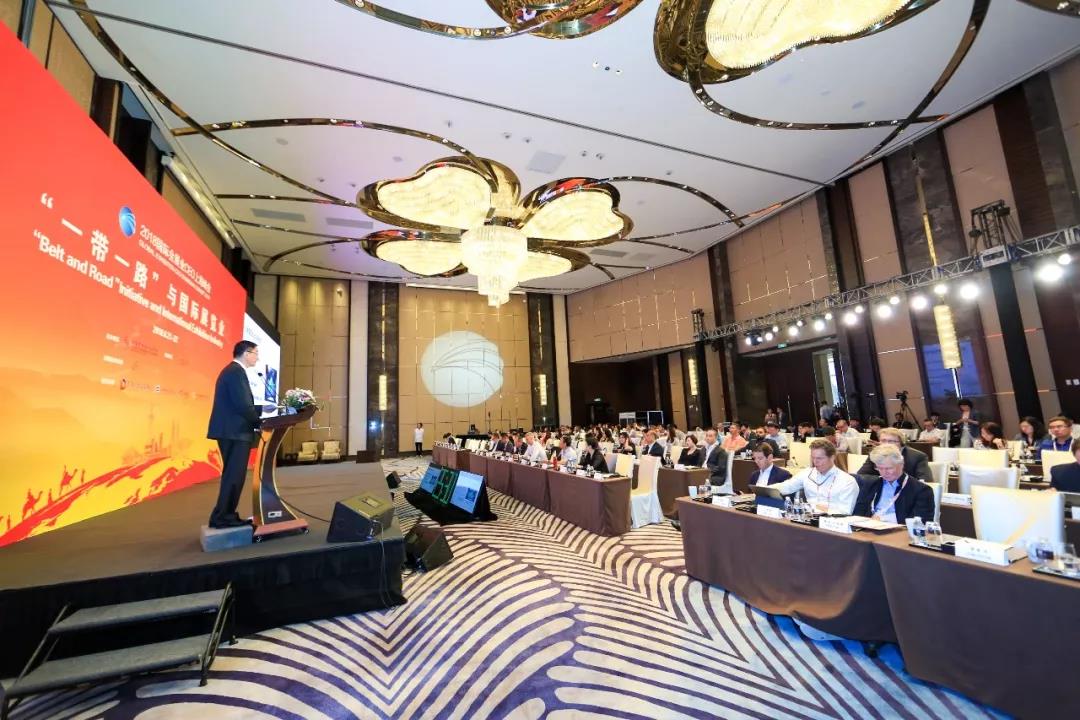
Topic: Going Global: Opportunities and Challenges for Local Exhibition Enterprises
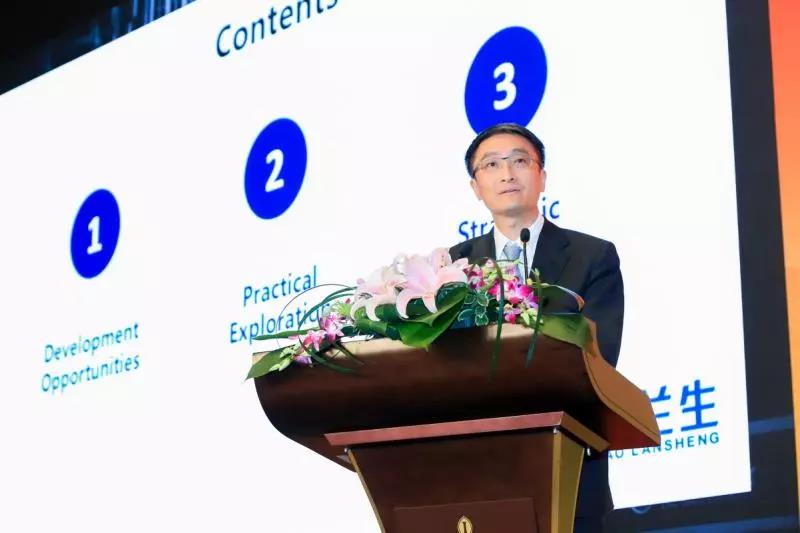
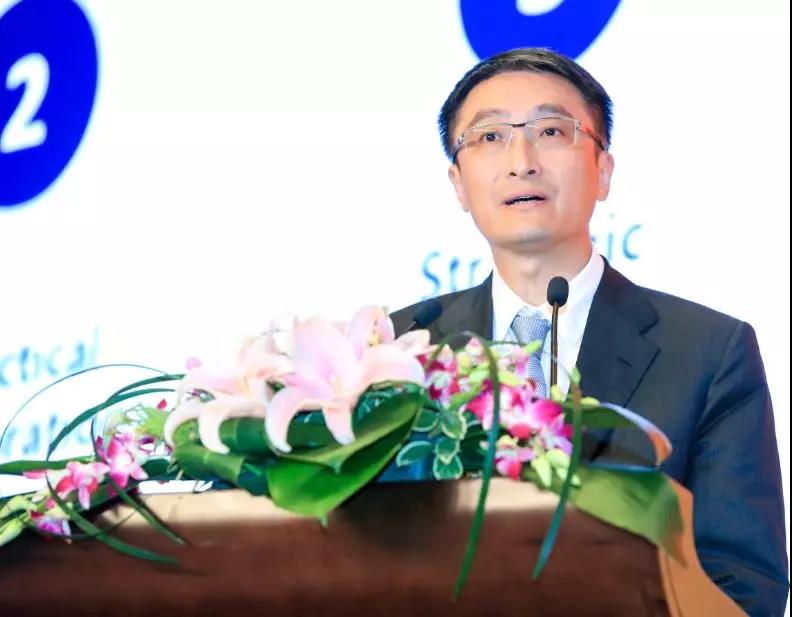
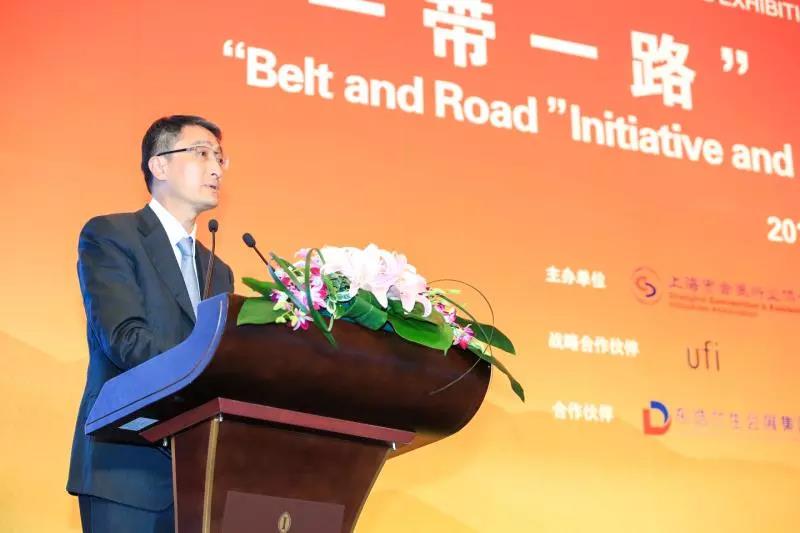
Speaker: Cao Wei, Vice President of Donghao Lansheng Group Co., Ltd.
Key Points
I. Opportunities for the exhibition industry in going global
It has been 40 years since reform and opening-up began, and China's commitment to reform and opening-up has not changed. Meanwhile, China's economy has become the second largest in the world, and the scale of China's exhibition industry is also the second largest globally. China is moving toward becoming a strong exhibition power. All these factors have created a favorable macro environment for exhibition enterprises to go global.
The Belt and Road Initiative has clarified the strategic direction for Chinese enterprises going global and accelerated the internationalization of Chinese companies. Outstanding Chinese enterprises must not only be competitive in the domestic market, but also possess international competitiveness.
Donghao Lansheng Group has four major business sectors: foreign service, exhibitions, international trade and real estate. This provides both human-resource support and industrial support for the exhibition group's global development, while trade strongly drives exhibition business. In recent years, Donghao Lansheng's exhibition group has formed a complete exhibition-industry chain covering exhibition organization, venue operation, conferences and meetings, advertising media, events and competitions.
II. Practical exploration: specific cases of the group's global development
The group's global practice has gone through four stages, which also represent four modes of global development.
1. Overseas participation.
The group organizes domestic exhibitors to participate in well-known overseas exhibitions. At this stage, we are only the organizer of exhibitors for overseas exhibitions.
Case: East China Fair. The project focuses on China's strong export industries such as textiles and household goods, selects major export markets as host locations, and expands the global influence of the East China Fair brand.
2. Overseas cooperative exhibition organization.
This means cooperating with overseas exhibition organizations to hold exhibitions, with the group responsible for part of exhibitor recruitment and operations.
Case: Country exhibition, Indonesia China Technology, Equipment and Commodities Exhibition. It was created in response to government advocacy, combining China's export advantages with the needs of the host country in electromechanical equipment, daily consumer goods and modern agriculture. By maintaining close cooperation with local enterprises and institutions and taking root in the Indonesian market, the project has gradually transformed toward a professional exhibition.
Case: Brand co-development, China Sign and Printing Expo Thailand. By cooperating with mature exhibition businesses and developing brands together, the project reduces exhibition risk and expands brand influence through matching brands, similar exhibits, complementary exhibitors and shared buyers.
3. Brand replication.
The group replicates its existing exhibition brands overseas and promotes its own brands globally. At this stage, exhibitor recruitment, visitor organization and operations are all handled by the group.
Case: China Sign and Printing Expo Kenya. This is an independent brand and regional replication project. Through deep cooperation with local partners, the project recruits Chinese and international companies to exhibit and attracts local African buyers.
4. Mergers and acquisitions.
Through equity investment, the group gains control of overseas exhibition enterprises and obtains brands, teams, channels and resources. The group is actively looking for overseas companies that meet its strategic objectives for equity cooperation.
Challenges facing exhibition enterprises going global
1. Understanding strategic priorities: should domestic exhibition projects first be internationalized, or should enterprises first go global?
2. Long-term and sustained investment: should operating companies be established in destination markets?
3. Development and control: how can market development be conducted overseas, how can project control be achieved overseas, and how can strong strategic and operating teams be built?
4. How can independent brands capable of international replication be formed?
5. How can country exhibitions be transformed into professional exhibitions and professionalization be accelerated?
III. Strategic thinking
1. The path for local enterprises to go global.
The path should be advanced in four directions: from government promotion to market-based operation; from comprehensive exhibitions to professional exhibitions; from commissioned operation to establishing overseas operating companies; and from business cooperation to equity cooperation.
2. Dual-wheel drive of bringing in and going global.
For the dual-wheel drive of bringing in and going global, we will work in three areas. First, we will accelerate the independent cultivation of leading local industry exhibition projects and form strong brands. Second, through project cooperation, investment, mergers and acquisitions, we will obtain internationally known exhibition brands, talent and marketing channels. Third, from 2019, we will introduce the globally renowned HR Technology conference and exhibition to China. In the future, more international branded exhibitions will be introduced and held in China and other regions of the world.
3. Improving capability and strengthening global competitiveness.
To strengthen the ability to go global, three areas must be improved. First, optimize operations, increase investment in information technology and improve management standards, laying a foundation for future organizational and business coordination. Second, innovate systems and mechanisms, increase the introduction of international talent, leading talent and project talent, and create a favorable environment for talent development. Third, strengthen cooperation with internationally known exhibition organizations and improve the professionalism and international level of enterprises, projects and talent.
Q and A
Question 1: You mentioned many examples of Donghao Lansheng's attempts to go international. Are there any examples of jointly going overseas with local Chinese enterprises?
Cao Wei: We are still exploring and testing the path of internationalization. In 2016 we made some overseas acquisitions and gained some understanding of overseas markets. As for organizing groups to go overseas, we are also considering this. Through this CEO Summit, we have met many leaders of well-known international companies and outstanding local enterprises, and we hope to strengthen cooperation in the future.
Question 2: Compared with international exhibition companies, what advantages do state-owned enterprises have, and what challenges do they face?
Cao Wei: In the domestic market, state-owned enterprises have advantages, including government support and relatively strong organizational and mobilization capabilities. When overseas exhibition companies enter China and hope to cooperate with Chinese enterprises, we have advantages.
But when it comes to going global, there are relative disadvantages. First, the state-owned system and mechanism have not innovated correspondingly. We are experimenting, for example by forming mixed-ownership teams to undertake overseas projects. Second, there are issues with decision-making procedures. The cycle is long, while opportunities for international mergers, acquisitions and exhibition cooperation change rapidly. Therefore, we need to reform decision-making systems and mechanisms. We may also establish funds to enter overseas markets more quickly.
Question 3: If you want to enter a U.S. market such as Las Vegas, would you establish strategic cooperation and replicate your exhibitions abroad, or enter through acquisition? Which approach do you prefer?
Cao Wei: The first step in going global may be project cooperation, where partners align strategic directions, coordinate with each other and complement each other's resources. In the next step, we will consider equity mergers and acquisitions.