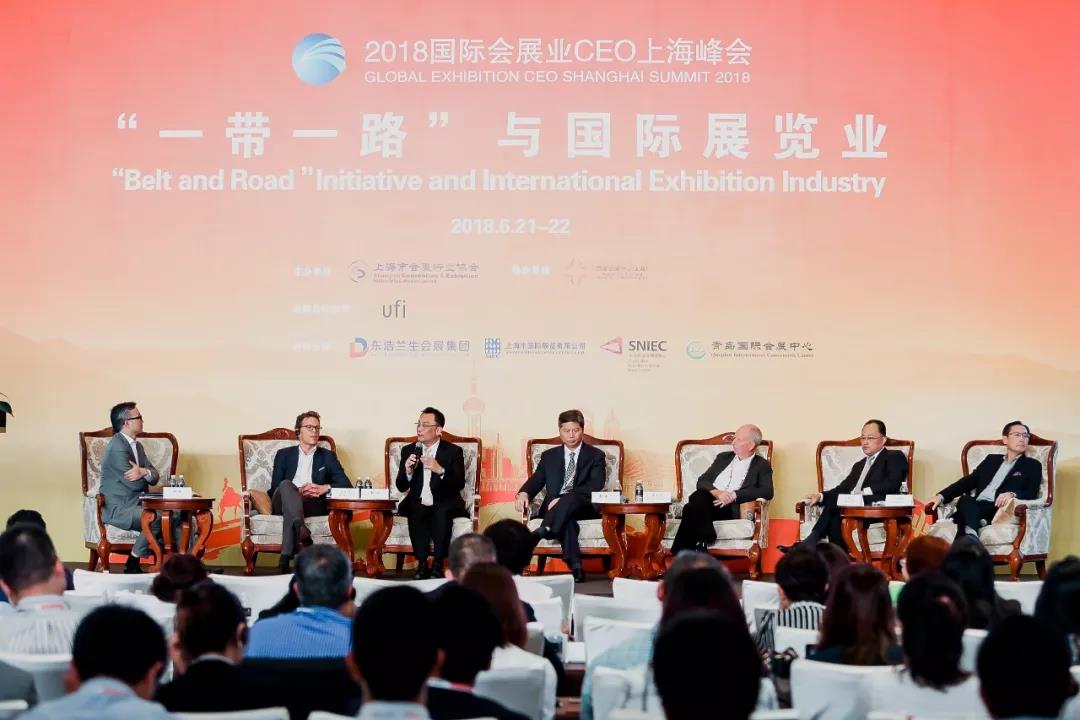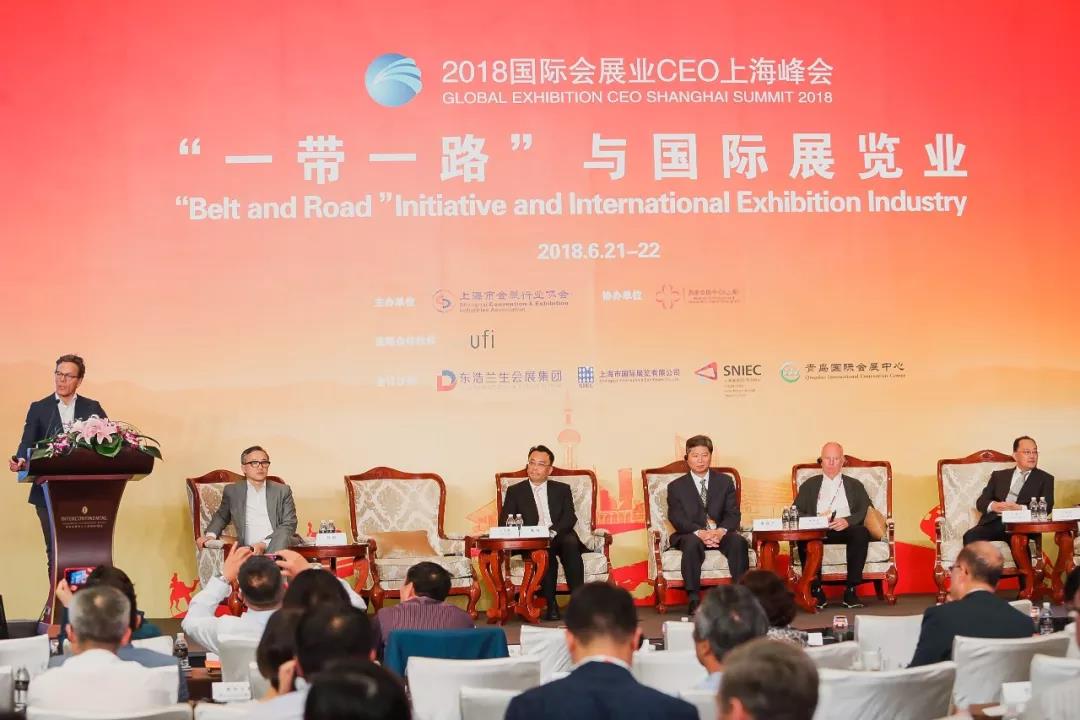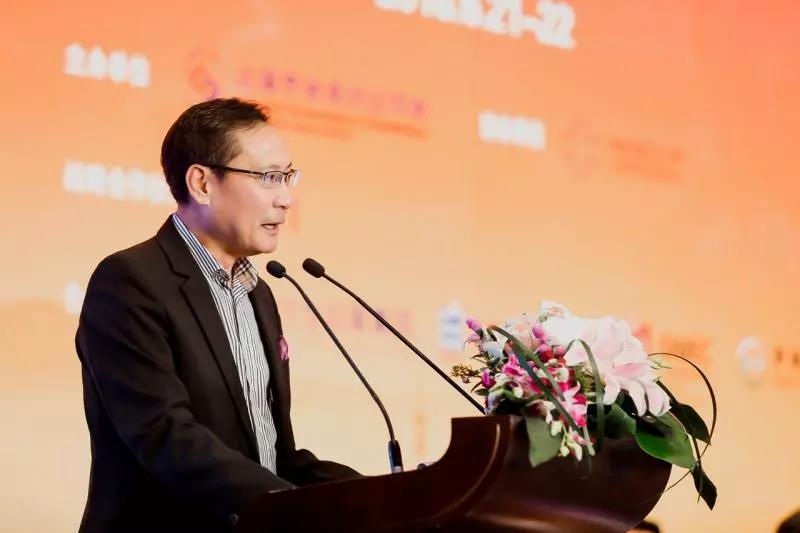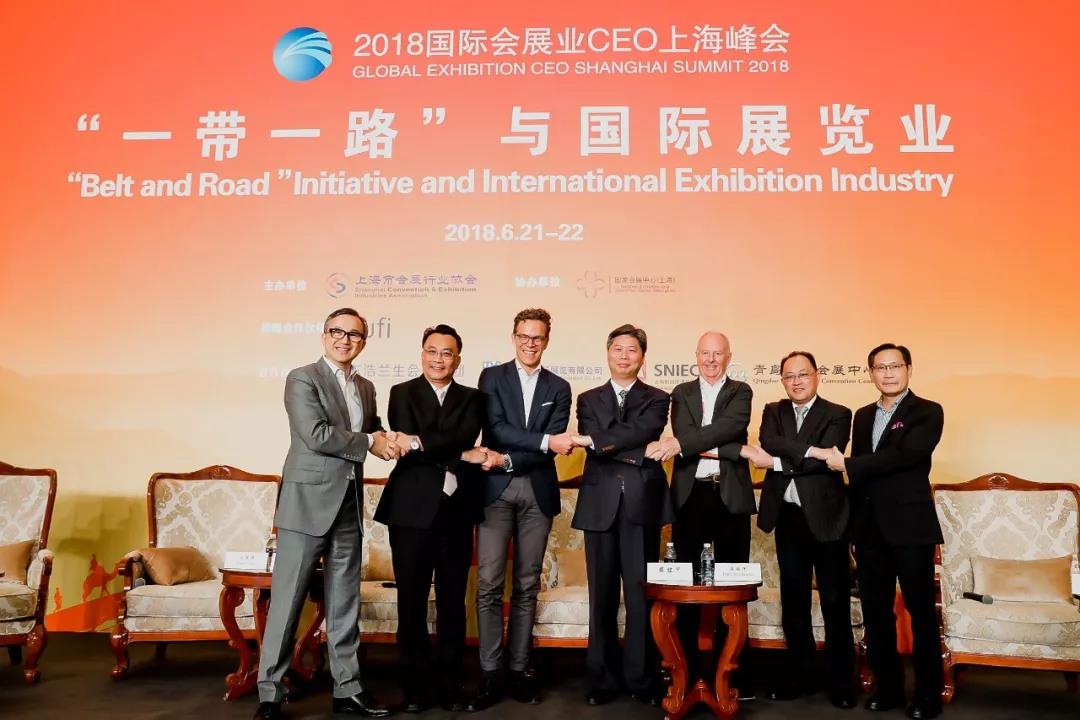
Time: Afternoon of June 21.
Panel Discussion: Dialogue between City Exhibition Bureau Directors and International CEOs, Part II
Moderator: Zhong Gang, President of Shanghai VNU Exhibitions Asia Ltd.
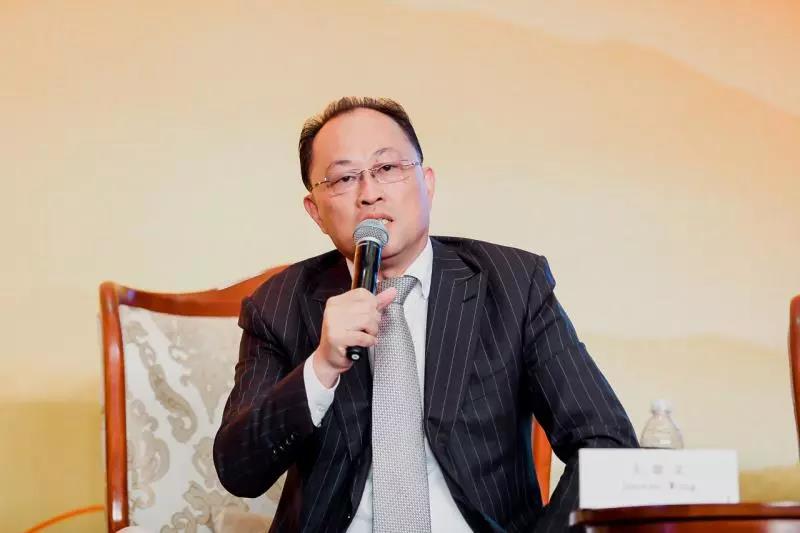
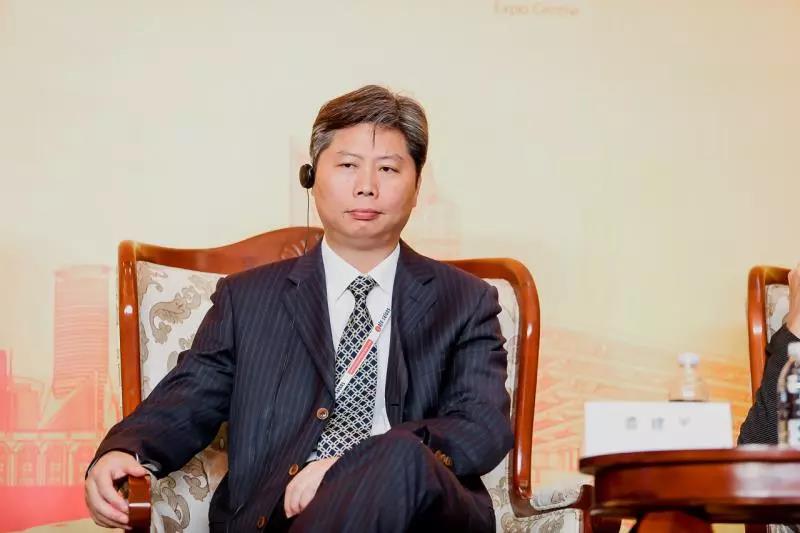
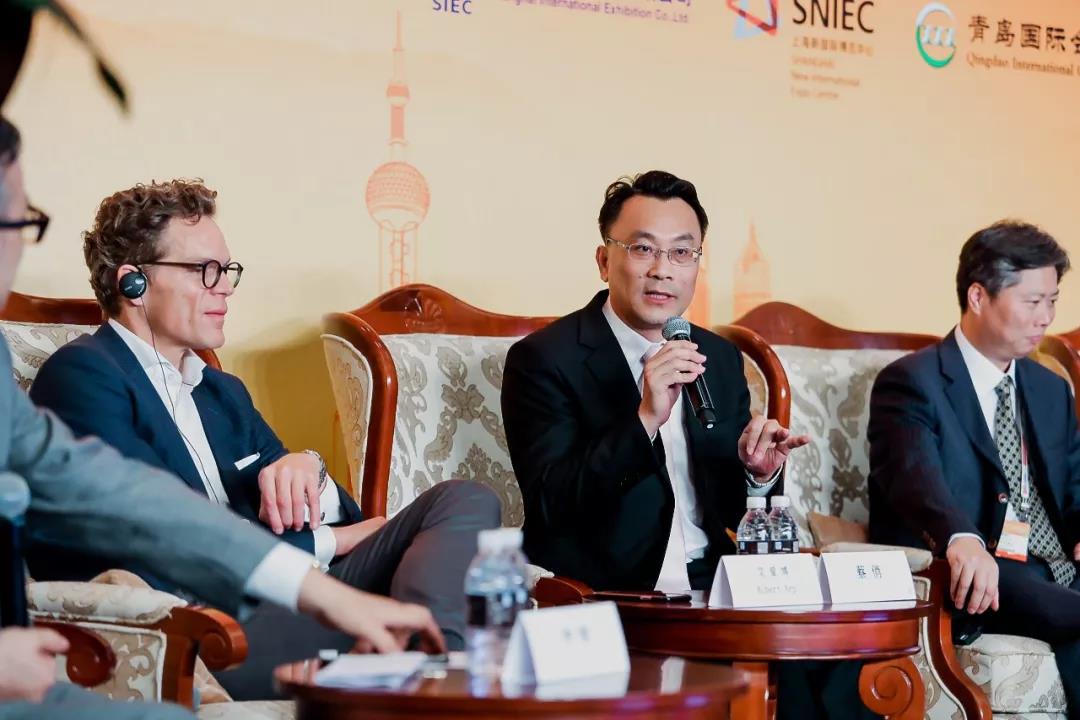
Panelists: Albert Arp, Chief Executive Officer of Royal Dutch Jaarbeurs VNU Exhibitions Europe; Cai Qiao, Director of the Haikou Convention and Exhibition Bureau; Qiu Jianping, Director of the Hangzhou Convention and Exhibition Office; Douglas Emslie, Chairman of Tarsus Group China; Wang Qiongwen, Director of the Xiamen Conference and Exhibition Affairs Bureau; Wang Guohong, President of ITE Group Asia.
Zhong Gang: To the three directors from Haikou, Hangzhou and Xiamen: what international exhibitions have you hosted? What were your impressions? Did those projects align with local industries and policies?
Wang Qiongwen: First, Xiamen's exhibitions mainly consist of independently owned brands plus transplanted exhibitions, and we are not very interested in touring exhibitions. Five years ago, Xiamen began developing independent branded exhibitions rooted locally according to local industrial characteristics. We have cultivated more than 120 independent IP projects, and more than 80 have survived and developed for over five years. In the first half of this year, 33 new independent IP projects were registered, and five more are awaiting approval.
Second, Xiamen works with local PCOs and PEOs, aiming to cultivate local conference and exhibition planning companies while also introducing transplanted exhibitions. Such projects must be held in Xiamen for three or five years, or may return every two years. Xiamen will provide strong support through industrial policies.
Third, whether a project integrates with leading industries is not judged mainly by attracting visitor traffic, but by integration of industrial resources. An exhibition must be closely integrated with the development of Xiamen's leading industries.
Regarding international transplanted exhibitions, Xiamen is currently in discussions with Duesseldorf. The prerequisite is that the project must take root locally, with a required scale of over 100,000 square meters, and cannot simply be held once and leave.
Zhong Gang: Xiamen is cultivating IP internally so that it can take root and grow. That is very good.
Qiu Jianping: Hangzhou has a good environment, complete infrastructure and convenient transport. Hangzhou is 180 kilometers from Shanghai, and the high-speed train takes less than one hour. The airport has 45 international routes and annual throughput of 40 million passengers. Hangzhou's focus is conference development, with the slogan of building the Geneva of the East, bringing in high-end international conferences as well as large domestic meetings.
Exhibitions are Hangzhou's pain point. Many Chinese cities are currently building exhibition venues with great momentum. But so far, Hangzhou has seven venues with a total area of more than 300,000 square meters. The largest is the G20 venue, with 90,000 square meters, and its ability to host large exhibitions is limited. The more critical issue is that Hangzhou is too close to Shanghai, so major international exhibitions basically choose Shanghai.
Hangzhou welcomes international exhibition companies and well-known exhibition brands. International companies have reasons to choose Hangzhou: its industries, especially information technology, financial services, tourism, leisure, health and wellness, and intelligent manufacturing, all have advantages. Hangzhou also has strong consumption capacity.
The focus of Hangzhou exhibitions is also to cultivate local brands, and we also welcome domestic and overseas enterprises to hold exhibitions in Hangzhou.
Zhong Gang: More and more local governments now share a consensus: pursue long-term development according to industrial development, while welcoming new exhibitions, including international exhibitions, into the local market.
Cai Qiao: Haikou proposed the concept of an international tourism island in order to attract international tourists for vacations. In recent years, this has gradually declined, while international convention and exhibition development has become increasingly strong. The central government has given Hainan excellent policies. Hainan Island is a window for opening the external economy, and we welcome touring exhibitions.
First, Haikou hopes to build a platform based on the convention and exhibition industry. Many exhibition enterprises have already established headquarters in Haikou, and we hope to attract more exhibitions and international conferences.
Second, we also hope to attract exhibitions and conferences matching our own industries, such as tropical agriculture, leisure and environmental protection, and health.
Therefore, we follow two paths: welcoming touring exhibitions while also combining our own industries with exchange through outside exhibitions.
Zhong Gang: The previous round focused on local government leaders. Next we turn to international company CEOs. Mr. Emslie, many international companies have gone to Shanghai, Guangzhou and Beijing, and are now beginning to go to other cities. Besides Shanghai, Guangzhou and Beijing, where else have you gone? What difficulties have you encountered? What are your thoughts, plans and experiences?
Douglas Emslie: Tarsus began cooperating with Zhengzhou, a central Chinese city, 12 years ago. Zhengzhou is an iPhone city, because the iPhones everyone uses are produced there. Tarsus works very closely with local organizers and institutions, and we have also cooperated with UBM in Zhengzhou.
Through such diversified cooperation mechanisms, Tarsus has maintained 15 percent growth for many years. Future growth may still come from central cities or regions, including Zhengzhou, Chengdu and Wuhan. I am very confident. The Zhengzhou municipal government has provided professional services and support. Friends who have not visited Zhengzhou are welcome to take a look; the future prospects are bright.
Wang Guohong: Most international organizations hold the view that Beijing, Shanghai and Guangzhou are already very well known and that opportunities there are already saturated. Exhibition scale may become larger, but major leaps in quality are difficult. Therefore, we have formed a trustworthy team to conduct exhibition and conference business in western China, such as Chongqing and Chengdu, and we also use Shenzhen as a base to expand to nearby cities. These cities have many opportunities, but the prerequisite is that you must find opportunities suitable for yourself. Not every opportunity suits you.
Albert Arp: VNU has two keywords: discipline and focus. This is the spirit we have followed for many years. Although VNU's revenue in China has reached EUR 15 million, how we can achieve more in China still requires very serious consideration. As we always tell our children, if you want to buy a bicycle, you need to work first. This is an important point. In the future, we will first focus on Beijing, Shanghai and Guangzhou. Development in other cities will need to be considered together with joint ventures.
Zhong Gang: Now we move into deeper, more detailed content that everyone is more interested in. Some international company executives who have worked on projects in second-tier markets say that local governments in second-tier cities are very welcoming and offer excellent policies, but after arriving, truly successful cases are not very numerous. For example, the president of UBM Asia-Pacific said that hotel exhibitions went to Guangzhou and Chengdu, and maternity and baby exhibitions went to Kunming. Subsidies were said to be available, but when they left, the subsidies were not received for various reasons. I would like to ask the three directors: how can these policies be transparent, fair and open, so that international partners can feel reassured and understand the policies accurately?
Cai Qiao: We should uphold the principle of integrity. In Haikou, there is a set of procedures for attracting projects. For each project, the amount of available funding and its range are clearly determined by the convention and exhibition bureau. After discussions, a contract is signed, including how payments will be made later. In Haikou, contracts are basically executed without compromise. Regarding how international exhibitions enter second- and third-tier cities, I think several rounds of exchange and site visits are needed, and mutual adjustment must take place beforehand. It cannot be settled in one meeting.
Qiu Jianping: Hangzhou has not yet issued a financial-reward policy, but its legislation has been completed. For a local government's support of the exhibition industry, the most important factors are a sustainable and long-term legal environment, government service and regulation, and maintaining market fairness.
Of course, every city has support policies. Whether an exhibition goes to Hangzhou, Xiamen or Haikou is a matter for both sides, like choosing a partner. As a local government, our support policies are transparent and open to all enterprises. For companies, this is market behavior. An exhibition may succeed in Shanghai but not necessarily in Hangzhou.
Wang Qiongwen: From Xiamen's perspective, as long as you meet the policy requirements, we will deliver the funds to you and have never broken a promise, because honoring commitments is the most important spirit in the process of internationalization. I want to emphasize that we value IP projects that take root locally, while not rejecting international exhibition projects settling in Xiamen. However, during negotiations we require that they be held for three or five sessions, and then we clearly provide sufficient financial support.
Xiamen's financial support for exhibition projects began in the late last century. The policy is adjusted every two years and has now been adjusted six times. On Xiamen's public information service platform for the exhibition industry, there are explanations in both English and Chinese, open and transparent, with visitors from 116 countries. For example, I recently worked to obtain policy support for the China Materials Conference. Through our full efforts, several million yuan has already been approved. But I made it clear to the China Materials Conference that it must be held for three or five sessions, and all policies will be fully honored.
Zhong Gang: Finally, please each of the three international exhibition CEOs summarize in one sentence.
Douglas Emslie: First, subsidies are great and we like them, especially policies from the Ministry of Commerce. Second, every exhibition must be self-financing; relying on subsidies is not a long-term solution. What we value more is one-stop service provided by local governments and venues, making exhibitions convenient. We hope convention and exhibition bureaus can function more like service departments rather than purely government departments.
Wang Guohong: Today I learned that China is fully ready to go beyond its borders. In fact, bringing in has already been done very well, including government-organized import expos. I believe that in the future more and more Chinese organizers will bring strong exhibitions to the international market. In hardware and infrastructure alone, China is already number one in the world. What now needs to catch up is the going global part.
Albert Arp: Subsidies only play a short-term role, and relying on subsidies forever is certainly not viable. But I am surprised that China's exhibition industry has completed in the past 20 years what Europe did over 100 years. It is like a sprint and a marathon: the European Union has been running a marathon, while China seems to have been sprinting. I hope that in the sprint process, sustainability will not be forgotten.
Zhong Gang: This forum helps build a bridge between international companies and leaders and enterprises in local convention and exhibition communities. Thank you to the six guests for their excellent sharing, and thank you all.