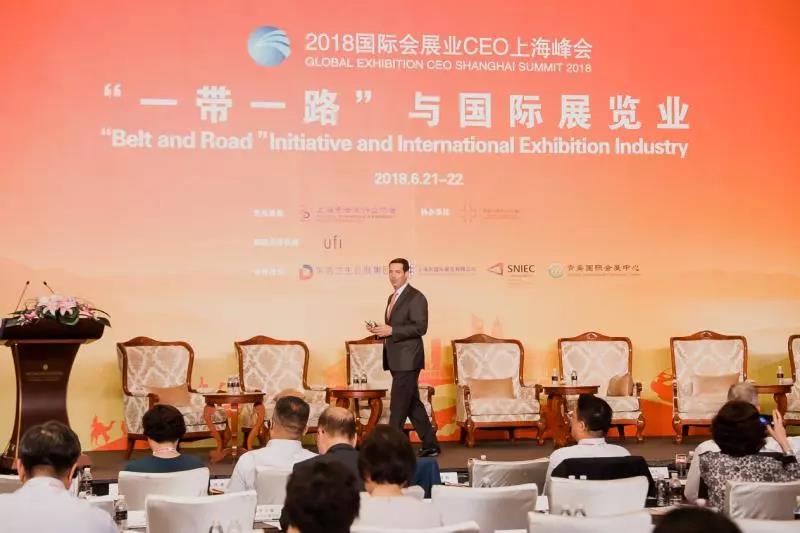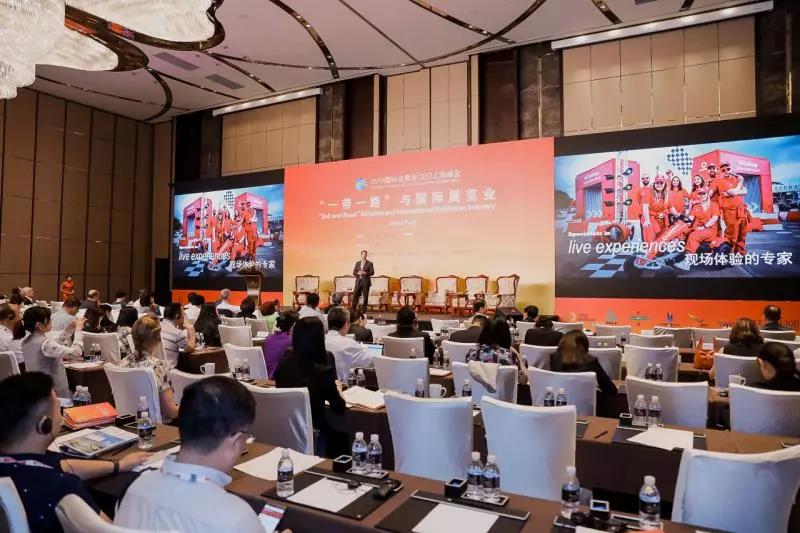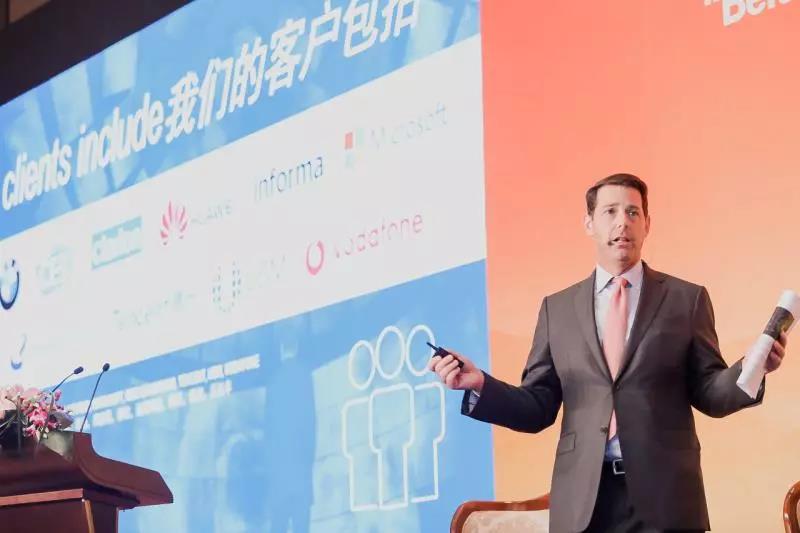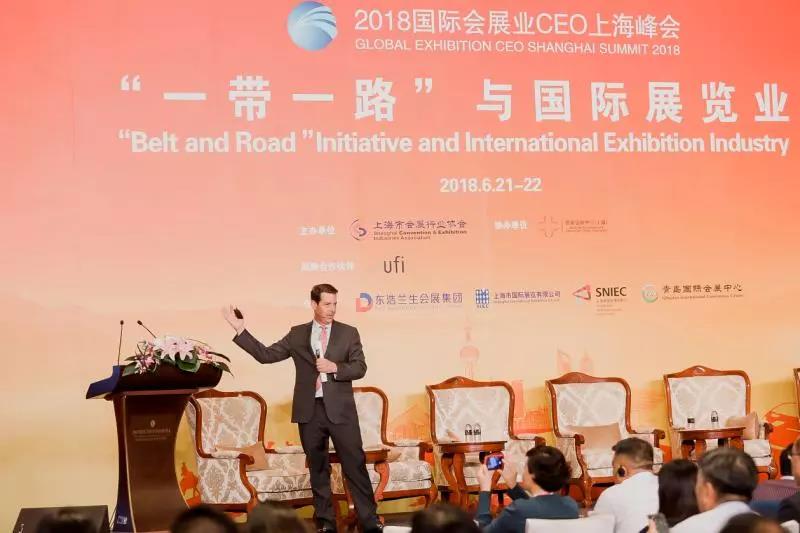
Afternoon of June 21.
Topic: Transplantation and Innovation of International Exhibition Projects and Conference Events
Speaker: Bob Priest-Heck, Chief Executive Officer of Freeman.
Key Points
The development of Freeman
Freeman serves 125 of the 250 largest exhibitions in the United States. Its annual organizing revenue is USD 1.8 billion, including USD 200 million from markets outside the United States.
Freeman's business includes visual media services and event organization, so its event and exhibition businesses have grown in parallel. As technology has advanced, Freeman's business has become richer. Freeman helps many companies create outstanding brand experiences, and we are considering the possibility of developing creative events and digital business in Asia. Beyond traditional convention and exhibition business, we also provide venue services and can offer different venue solutions based on customer needs.
Regionally, Freeman first covered the whole United States and then expanded to Canada. Five years ago, we entered Europe, a completely different market with different working methods. In Europe we acquired event organizations from Australia and Asia, and then moved into the Middle East. The company has grown steadily and solidly. Advertising Age named us the world's largest event agency.
In every country where we operate, we look for global partners to add value for our clients. This is true from South America to Australia, China, the United States and Europe. Our founder said that the most important point in expanding business is to follow customers and help them expand their own business.
At present we have 7,500 full-time employees and more than 35,000 part-time team members. In China we already have more than 200 employees, and this number continues to grow because China's entire exhibition industry keeps growing. We currently have four offices in China: Shanghai, Beijing, Hong Kong and Guangzhou.
It was not easy for us to move beyond North America and develop business overseas. It required a change in mindset and a change in operating methods. The North American work experience is very different from the overseas business experience, especially because every market has a different culture. Thanks to network technology, our teams can cross gaps between different markets and cultures, especially in China, where the opportunities are so enormous.
Changes in the global exhibition industry
1. Application of new technology.
The means and methods for helping customers succeed are constantly changing, and the standards of success are also changing. Millennials focus much of their attention on mobile phones. We need to integrate more technological elements and help customers interact more, so brand experience is extremely important. We need to understand the different circumstances and technologies in every country. We all know that China is leading technological change.
Digitalization is the most important factor and a necessary component of every exhibition. We should use digital tools to match buyers and sellers, help customers obtain better data and make exhibition visits easier.
In the impact of digitalization on the exhibition industry, one piece of data is especially important: the behavioral change of key customer groups. The base of people participating in exhibitions has changed. Technology can make their experience easier and more valuable, and that is very important. We are fortunate to have the Info Salons team join us; they have an excellent reputation.
Everything we do is intended to save money while increasing interaction with participants. Vertical digital technologies are also very important: a digital strategy is needed from the planning stage of an exhibition. We must understand what deep changes are taking place inside these industries.
China is now far ahead of the United States, especially in the use of WeChat as a platform. The gap between China and the United States in digitalization will become larger. My colleagues in Shanghai do not even carry wallets or cash. With mobile phones, everyone can conveniently register for all kinds of events. This is also why our teams can connect with China more successfully, and we should thank our team for that.
For us, technology is extremely important and cannot be bypassed. I really cannot tell you how much money we have invested in technology. We must support our customers through technology investment. Our purpose is not to make things simpler, but to make things better and better. Technology will decide who wins and who loses.
2. Hardware development in China.
China's prospects are excellent, especially in infrastructure construction in recent years. China now has enormous exhibition facilities and available exhibition space. Our customers in China all believe China is a huge market with unlimited potential. In Shenzhen, we have very good cooperation. The city has one of the world's largest convention and exhibition venues, and no venue of that scale can be found in the United States. We also see many new venues under construction. We hope our customers and exhibitors will regard this as one of China's advantages.
3. Sustainability.
In the United States and Europe, sustainability has received increasing attention. We must rethink the exhibition process from the beginning and examine the waste created by every project. As China's exhibition industry develops, sustainability is an area that millennials care deeply about. They are willing to cooperate with companies capable of sustainable development and with corporate citizens that comply with regulations. This is an area with potential in China.
Q and A
Question 1: What have you learned from entering China?
Bob Priest-Heck: We have many outstanding local managers in China. In the United States, the first instinct might be to bring in an American management team. In China, however, we adapt to local conditions and make long-term investments. For example, when we want to build digital solutions and create a strong platform in China, we directly find a local team in China to do it.
Question 2: You mentioned the relevance of technology. In China this is a very hot and important topic. How can Freeman connect technology with the Chinese market? What kinds of technology platforms or technology experiences do you have, and how do you present them?
Bob Priest-Heck: Next week we will go to Washington, D.C. to hold a digital event with customers. We also acquired a company in the United Kingdom, and it will connect seamlessly with us. We also have a tool for exhibitors that allows people to enjoy multilingual services. We also have an integrated tool, such as venue floor plans, where many parameters are combined so that exhibition planners can gain a 360-degree view. Whether exhibitors or visitors are involved, we will place them on one platform so that they can obtain a better experience more easily.