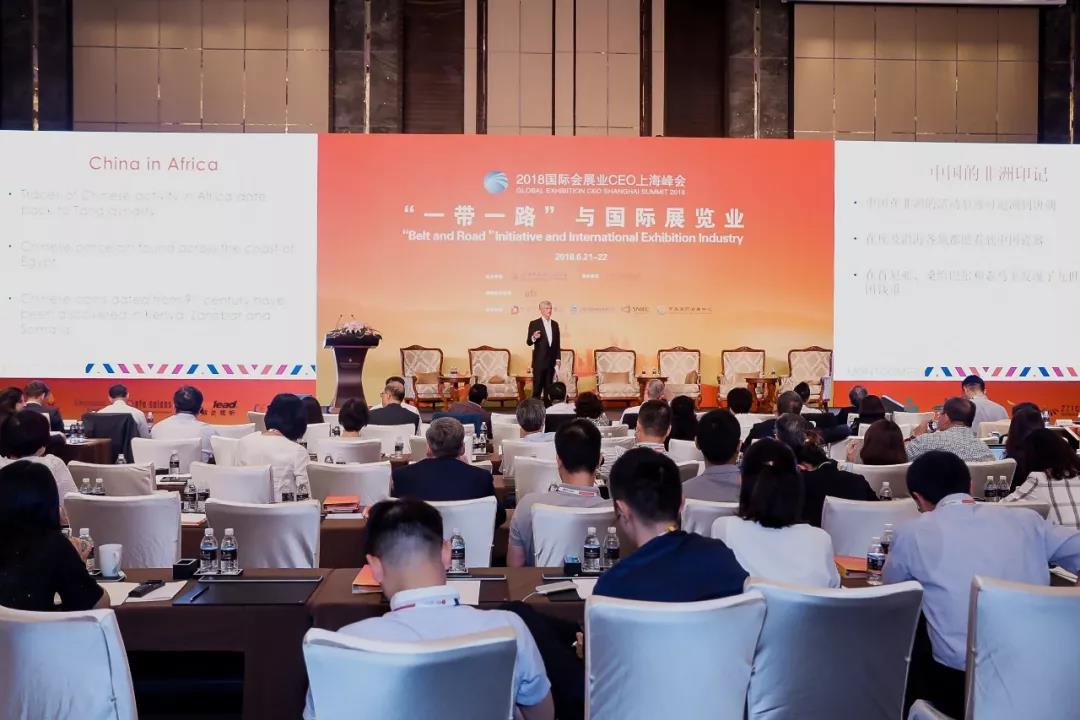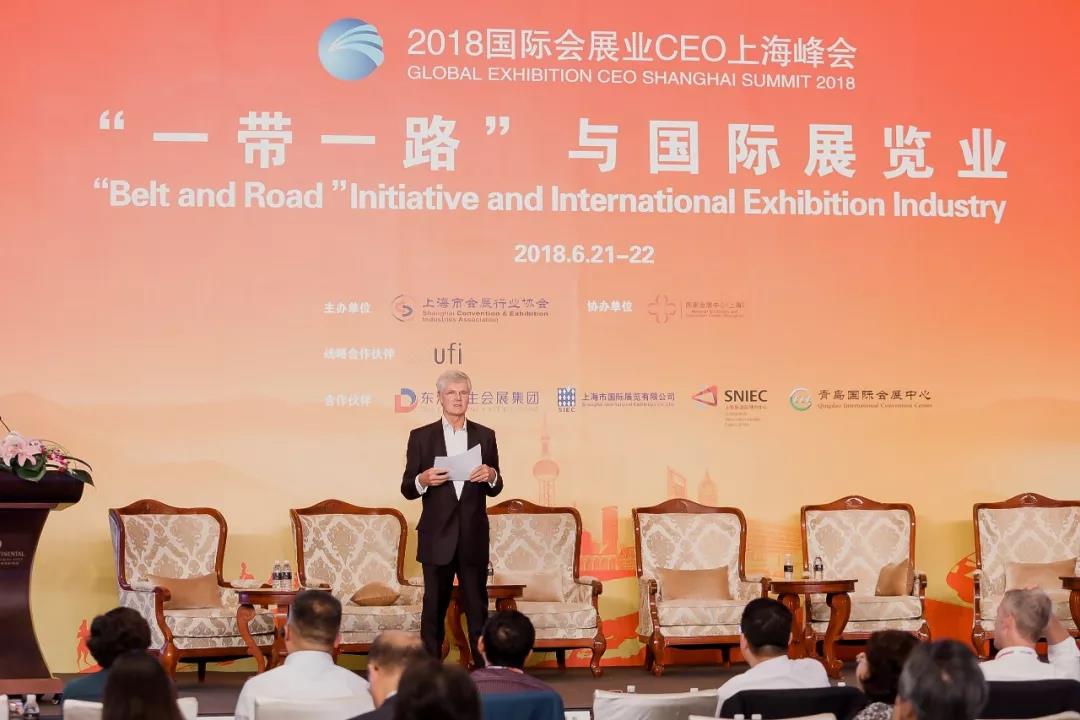
Topic: The international exhibition industry going to Africa
Speaker: Sandy Angus, chairman of Angus Montgomery Ltd.
Key points
Montgomery is a private family-owned business with 250 employees: about 100 in London, 100 in Africa and the rest in North America, China and Europe. The company once had offices in Libya and Sudan, but those offices have now been closed. Sandy Angus said he once believed those markets had good potential, but conditions later became unsatisfactory. Market environments in some other African countries have also changed for political reasons.
Over the past 20 years, China has moved from being a relatively small investor in Africa to becoming Africa's largest economic partner. Chinese investors are very practical. In investment, they do not involve themselves in political change, but improve the basic environment of local markets.
By 2050, 25 percent of the world's population will be African, and most will be under 35. Africa has many young people, but many are unemployed and many live around the poverty line. It is a very young but also very poor continent.
When choosing a market, companies must be cautious and consider feasibility. As another guest mentioned, a team may almost arrive at the venue only to find that it has been taken over by the military. Entry barriers may be low in many places, but finding suitable venues can be difficult. High-quality venues in Africa are very rare, and they require careful research. Embassy involvement is very important. It is possible not to have a local partner; in Africa, working independently is sometimes easier. However, if local law requires a partner, one must be found. A legal partner can help open doors that a foreign company cannot open by itself. Companies also need to understand financial matters. Can cash be repatriated? What are the local tax laws? All financial risks must be understood before doing business, and at least three years of funding should be prepared.
To enter Africa, a company must be fully committed, have a physical presence, and build relationships with venues, contractors, associations, industries and hotels. It must understand local culture, how people sell and how they communicate. In many African markets, business is still conducted through one-on-one discussion.
Montgomery has a venue in South Africa that can accommodate 20,000 people and has 45,000 square meters of indoor space. It is basically the largest exhibition venue in Africa and also has 15,000 parking spaces. For the past decade, the company has been trying to persuade the Kenyan government to build a permanent venue, but the government has repeatedly said it lacks funding. The company's work has been to build temporary structures on available land to demonstrate that venues can attract more investment and revenue.
In Africa, companies may face ethical, legal, financial and reputational risks. Of course, these risks also exist in other markets. Major natural disasters can instantly destroy infrastructure, and epidemics such as Ebola can have a major impact on business. South Africa is relatively close to areas affected by Ebola outbreaks, so this is also a risk.
Political risk is also real. In Nigeria, for example, a change in government may suddenly lead officials to say that an exhibition is no longer needed, forcing cancellation unless a new minister who supports the project comes to power. Extremist organizations such as Boko Haram, Al-Shabaab and al-Qaeda have also created risks in different situations. Corruption is relatively common in Africa. South Africa now has a new leader who wants to fight corruption, so the situation may improve there, but many other countries face serious corruption. When doing business, officials may demand kickbacks. If a British company pays kickbacks to local government, it violates British law and may face imprisonment back home, so corruption can severely affect local business development.
Setting medium-term goals is very important. A company must clarify its positioning, why it wants to enter a certain country and what unique added value it can bring to the business it wants to do. In general, Chinese companies are interested in new markets, but the most important question is whether the exhibition concept can work locally.
Companies must plan a series of activities rather than only one or two. A series of business events is needed to support operations in Africa. If a company only holds one or two events, the revenue cannot cover early investment. Joint ventures with other Chinese entrepreneurs are also worth considering. China is an entrepreneurial country, and in Sandy Angus's view, Chinese companies are even better prepared than European companies. Chinese companies in Africa work very hard. Except for South Africa and Rwanda, most places lack advanced facilities. For those considering investment, venue investment may be a good project.
The long-term goal should be to operate an independent company capable of cross-border operations. Nigeria and Morocco are both promising markets with extensive infrastructure activity, although their markets are relatively fragmented.
Finally, a company must build its reputation. In the future, Africa's urban population will increase sharply. There will be many young people who are skilled in technology, eager to achieve something, seeking better financial services or doing business in entirely different ways from traditional models. This means many opportunities and many risks. Africa is a vast continent. Even though opportunities are great, there are also many pitfalls. Companies must find the right entry point, which depends partly on timing and partly on whether the political situation is suitable.
Question
A participant asked which places in Central Africa might be best for holding exhibitions and attracting the most exhibitors and visitors. The participant also asked whether Sandy Angus had discussed with the Chinese government the possibility of building venues in Central African countries, given China's investment in African railways and interest in promoting trade.
Sandy Angus replied that Angola and Congo have unmatched wealth and large areas of rich land that could be ready for the market, but they are also complex markets. Entry is difficult, first because of language: one uses French and the other Portuguese. In Angola in particular, it is very hard to get anything done without Portuguese. Rwanda is also a very good country. Coming from Congo, it feels as calm as Switzerland, and its exhibition venue is quite good. But Rwanda has no airport and no seaport. Therefore, he recommended Kenya, because its political situation is relatively stable, it has a port, and its airport capacity is acceptable.