
The 2016 International Exhibition Industry CEO Shanghai Summit, held from January 11 to 12, 2016, focused on the theme of market orientation and international competitiveness and included five topics.
Topic One: Drawing on International Experience to Accelerate Local Enterprises' Going Global and Internationalization
The internationalization of Chinese exhibition enterprises has developed together with reform and opening up. State Council Document No. 15 clearly sets out specific requirements for Chinese exhibition enterprises to go global: greatly improving the capability to organize and operate exhibitions, significantly enhancing voice and influence in the international exhibition industry, and cultivating a group of well-known branded exhibitions with international competitiveness. This topic aims to draw on useful experience from multinational enterprises, follow the development laws of the exhibition industry, and discuss how Chinese exhibition enterprises can actively understand global exhibition industry trends, plan paths for going abroad and entering international markets, and cultivate well-known branded exhibitions with international competitiveness against the background of the global economic platform and China's comparative industrial advantages.
Six speakers addressed this topic.
4. Key Points from the Speech by Sergey Alexeev, UFI President for 2016
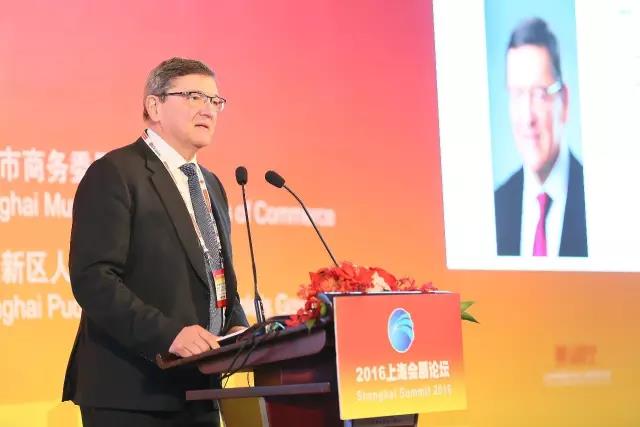
Facing trends of internationalization, globalization, digitalization, a new generation of leadership and sustainable development, our customers are also changing behaviors formed over many years. While existing markets are undergoing major changes, we must work hard to ensure that products adapt to the market and to customers. When business goes global, we must become truly international professionals, and UFI can provide high-quality tools and networks in this regard.
UFI is the leading global exhibition industry association for exhibition organizers, exhibition venues and professional exhibition associations. It provides members with continuously updated information and research results. For example, the Global Exhibition Barometer is based on forecasts made by industry professionals for different markets. UFI has four regional chapters around the world, providing members with strong social networks that can help them develop business locally and across regions.
5. Key Points from the Speech by Stephen A. Carter, CEO of Informa, United Kingdom
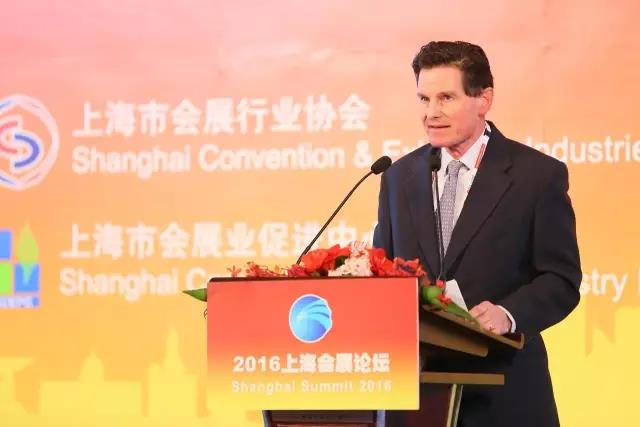
When going abroad and facing a new market, I believe the discussion should be framed around strategy, structure and execution. These three elements are closely linked and help us succeed.
First is strategy. We must be customer-led, set exhibitor and visitor targets, and then conduct evaluation and planning from operational, financial and talent perspectives. Second is structure. We can consider entering a new market quickly through acquisitions or partnerships with local companies. Third is execution. During execution, it is important to ensure that the right people do the right things, and that your own talent and local talent, including partner talent, complement each other in resources and strengths. It is also necessary to ensure marketing and make sure exhibitors, especially customers brought from the home country, become known to local visitors.
In recent years, organizers from Germany, Europe and the United States have all come to China. We can imagine how local exhibition professionals would view you if you went to the United Kingdom, the United States or Europe. This is exactly like how you view foreign organizers in China. Therefore, if you want to develop overseas markets, the challenge is very great, and you must find local support to achieve twice the result with half the effort.
6. Key Points from the Speech by Pan Jianjun, Chairman of Meorient Exhibition
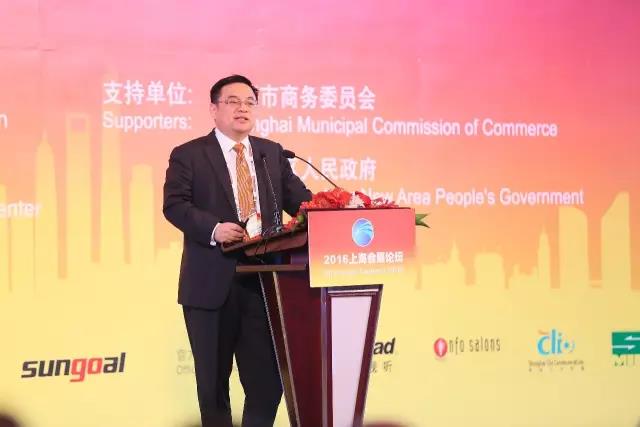
From the background perspective, the country's overall goal for building platforms for foreign trade is to provide supporting services for Chinese enterprises going global. Since the 12th Five-Year Plan period, the country has issued different documents from different perspectives, defining the positioning of Chinese exhibition enterprises from a policy angle and supporting Chinese enterprises in cultivating branded exhibitions overseas.
At present, Chinese exhibition enterprises going global can be divided into two types. One is cooperation with overseas organizers, such as holding a Chinese show-within-a-show inside an overseas branded exhibition, or directly cooperating with overseas organizers to hold exhibitions. The other is a global series of exhibitions independently owned, branded and operated by Chinese enterprises, such as cross-industry country exhibitions and cross-regional professional touring exhibitions.
Problems in Chinese exhibition enterprises going global include the following. At the government level, management does not match needs. Current management measures restrict the participation qualifications of private exhibition companies in terms of procedures. At the enterprise level, core capabilities do not match needs, with deficiencies in exhibitor recruitment capability, independent overseas operation capability, and overall overseas exhibition project planning capability.
Looking to the future, Chinese exhibitions going global will mainly serve Chinese manufacturing. In other words, exhibitions will provide supporting services for Chinese manufacturers going global. This is both a judgment on future trends and a hope for the future.