At the 2017 International Exhibition Industry CEO Shanghai Summit, leading figures from the exhibition industry in China and abroad delivered excellent speeches. Based on the shorthand transcripts, the secretariat of the Shanghai Convention and Exhibition Industries Association compiled the key points of the speeches and is publishing them in installments.
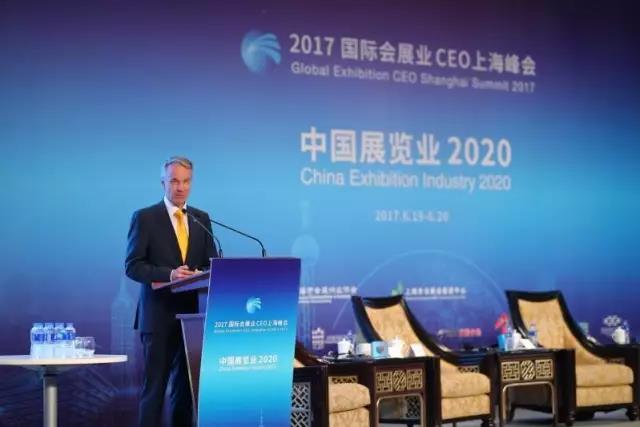
Speech time: afternoon of June 19, 2017.
Speech theme: consumption upgrading: characteristics and trends of consumer exhibitions.
Speaker: Roland Bleinroth, president of Messe Stuttgart.
Key points:
The secret of successful B2C exhibitions at Messe Stuttgart.
First, exceed people's expectations. Visitors come not only because of the product mix on display, but more importantly because the organizer can communicate marketing concepts to them. The difference between B2B and B2C is that B2C must adopt regional measures and strategies. Second, through theme combinations, build integrated cluster-style exhibitions to meet the common needs of different groups. Third, choose suitable partners and reach and lock in target visitors in marketing. Fourth, consider the long-term strategy of the exhibition and attach importance to building long-term awareness and contact among target groups in order to ensure reliable return on investment.
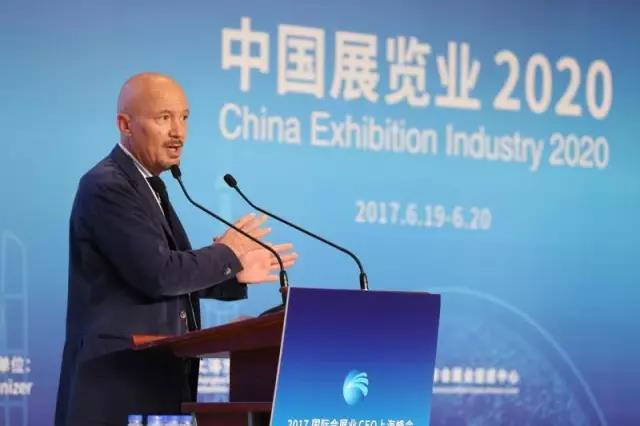
Speech time: morning of June 20, 2017.
Speech theme: consumption upgrading: characteristics and trends of consumer exhibitions.
Speaker: Corrado Peraboni, incoming president of UFI.
Key points:
Development trends and characteristics of consumer exhibitions.
Over the past several decades, B2B and B2C were clearly separated, and B2B organizers avoided integration with B2C exhibitions. Today, times have changed. Five trends are different from before. First, more exhibitors participate in exhibitions to show their latest products and capabilities, so that visitors will continue buying their products in the future. Second, more and more B2B exhibitions are setting public days during the exhibition period, combining B2B and B2C. Third, consumer exhibitions are becoming increasingly professional, with professionalism no different from B2B exhibitions. Fourth, B2B is transforming into B2C, and an exhibition is becoming a platform or public festival event. Fifth, B2C consumer exhibitions can integrate more deeply into local communities.
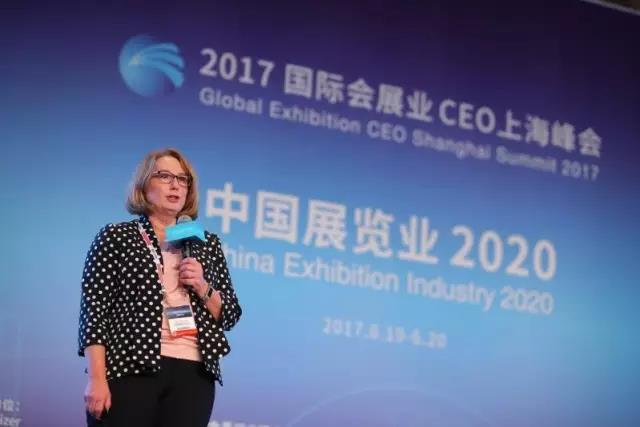
Speech time: morning of June 20, 2017.
Speech theme: consumption upgrading: characteristics and trends of consumer exhibitions.
Speaker: Cathy Breden, executive vice president of the International Association of Exhibitions and Events.
Key points:
The evolution of consumer events in the United States.
Consumer exhibitions are all related to lifestyle. If people have a unique interest in the products of a certain industry, they will then see related exhibitions being held there.
Cooperative marketing for consumer exhibitions is very important. Organizers can promote through traditional media such as television, outdoor advertising and newspapers, or through social media such as Facebook and Twitter. Of course, the most effective method is word-of-mouth marketing.
Consumer exhibitions must consider political, economic and social factors, such as the attitude of local authorities and the local unemployment rate.
Providing training support to exhibitors so that they can exhibit better is something organizers should do.
Organizers should maintain their competitiveness while also combating counterfeit and shoddy products at exhibitions. They should use the best media, the most precise advertising placement, and the most controllable and effective social media to support marketing.
If a B2B exhibition is to be integrated into B2C, it is very important to listen to exhibitors' opinions.
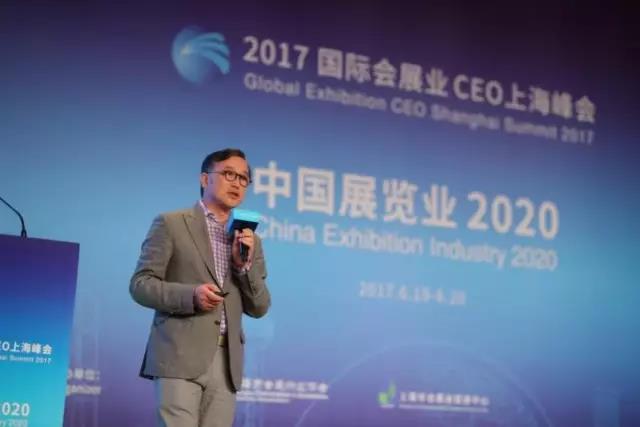
Speech time: morning of June 20, 2017.
Speech theme: consumption upgrading: characteristics and trends of consumer exhibitions.
Speaker: Zhong Gang, president of Shanghai VNU Exhibitions Co., Ltd.
Key points:
Characteristics and trends of consumer exhibitions.
Whether an exhibition should be B2B or B2C depends on the voice of the market. We should not only listen to exhibitors; we must understand the final consumers. Compared with B2B, B2C faces greater challenges in profitability and project stability, and places higher demands on the organizer's comprehensive capabilities.
The popularity of consumer exhibitions in recent years is mainly based on two backgrounds. First, industrial upgrading and changes in the consumer goods market have led many export enterprises to shift to domestic sales and expand their share of China's domestic market. Second, Chinese citizens' living standards continue to improve.
Doing B2C exhibitions well requires very strong traffic-generation capability, bringing enough accurate consumers at low cost.
For B2C exhibitions, visitor experience is very important. For this reason, organizers need to stay deeply connected with consumers.
B2C exhibition projects can find new markets through multi-city touring exhibitions with the same theme.