Source: Big Data
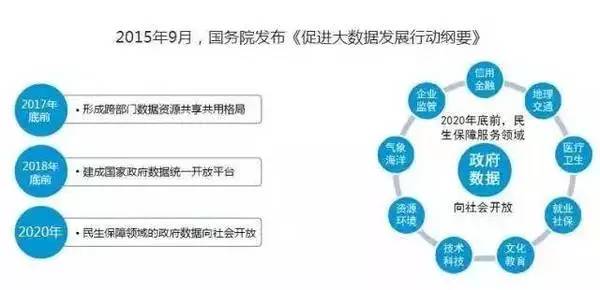
The Outline of the 13th Five-Year Plan for National Economic and Social Development of the People's Republic of China proposed implementing a national big data strategy and promoting the opening and sharing of data resources. As one of the fourteen major strategies of the 13th Five-Year Plan, the national big data strategy is also reflected in the ongoing preparation of China's Big Data Industry Development Plan for the 13th Five-Year Plan period. This article analyzes the current development of the big data industry and examines the application and exploration of big data in key fields.
I. Initial exploration of Data China construction
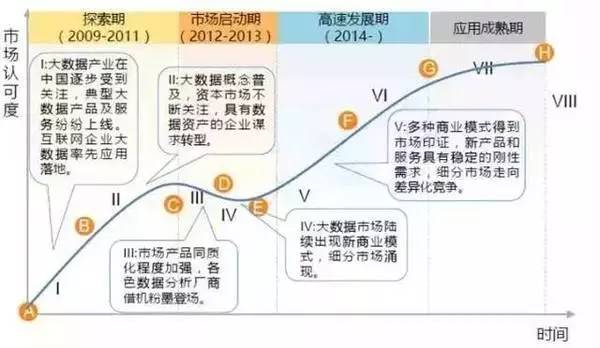
The development process of the big data industry shows that data authenticity remains low. At present, China's big data industry is in a period of rapid development. Multiple business models have been validated by the market, new products and services are constantly being launched, and segmented markets are moving toward differentiated competition.
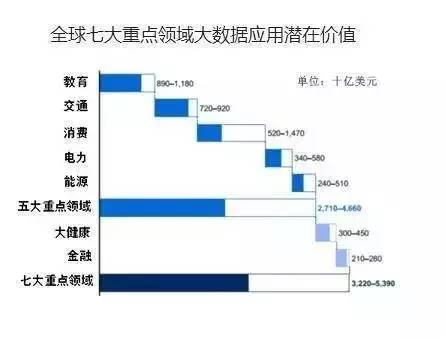
In terms of industry scale, within seven major global fields, including education, transportation, consumption, electricity, energy, healthcare and finance, the application value of big data is estimated at between USD 3.22 trillion and USD 5.39 trillion. The big data era also brings major challenges.
II. In-depth analysis of the big data sector
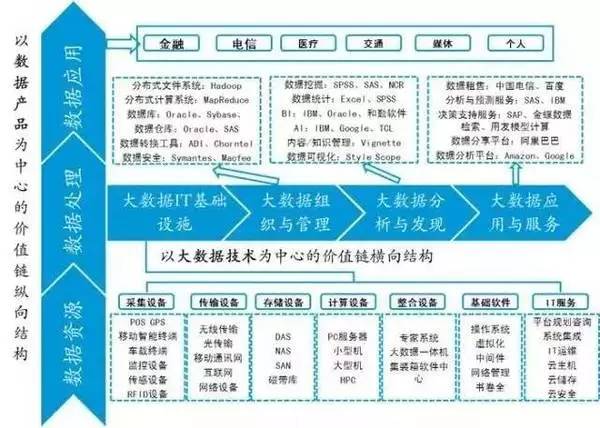
The data industry chain combines a vertical structure centered on data products with a horizontal structure centered on big data technologies, forming a T-shaped value-chain structure.
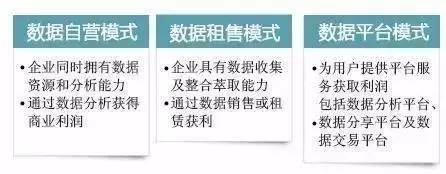
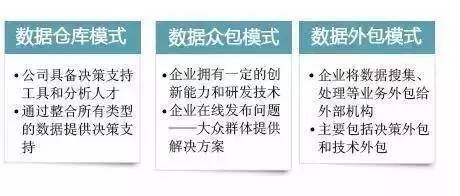
Core technologies in big data include data collection and preprocessing, data storage and management, data analysis and mining, and data presentation and application. The sector also involves the competitiveness of benchmark enterprises and mainstream business models.
III. Compilation of policies related to big data
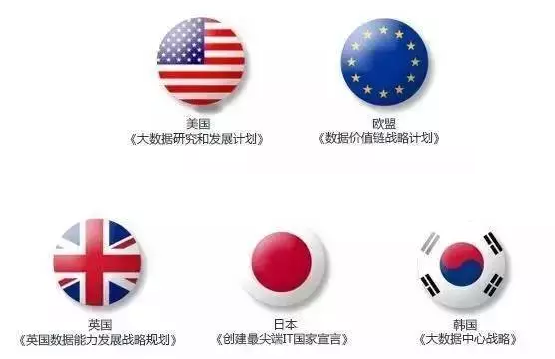
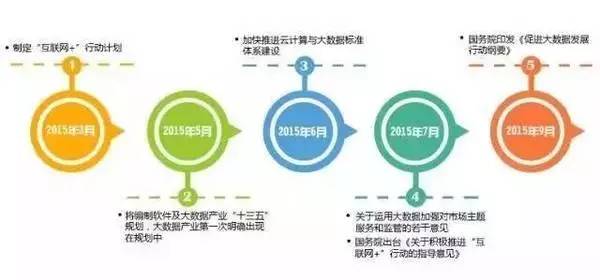
This includes the overseas policy environment for big data and an inventory of important policies for the big data industry.
IV. Important data entrances in the big data sector
Traditional data informatization mostly stores data locally, and not all resources are public. These resources include market research data, enterprise data, production data, manufacturing data, consumption data, medical data and financial data. Enterprises or industries that control data resources will naturally become direct beneficiaries of big data.
With the rapid development of mobile internet, search engines and mobile devices such as smartphones have become important data entrances. Social networks, e-commerce and various mobile apps transform scattered small data into big data.
The development of the Internet of Things can realize connectivity among all things. Information generated by all things is data, and all things have data-based connections with one another.
V. Hardware and technical foundation for big data
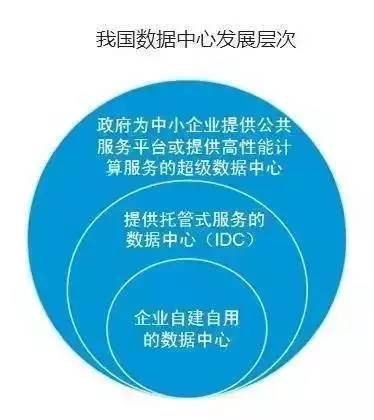
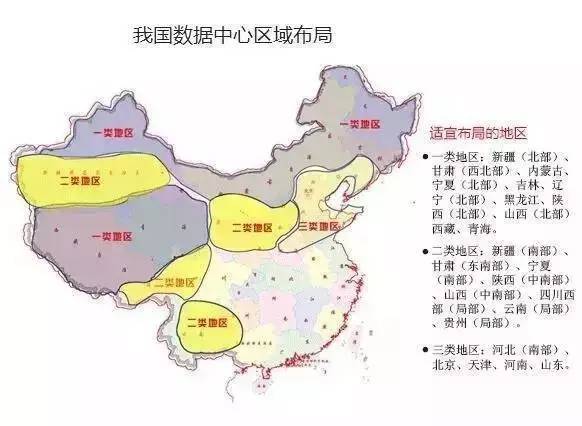
In big data storage technology, China's data centers are entering a new stage of integration, upgrading and cloud transformation. The IDC industry is in a critical period of industrial upgrading, shifting actively from resource consumption to application services. Local governments are vigorously developing cloud computing and big data industries, and data centers are entering a new round of investment.
In big data computing technology, basic software and application software are the most critical parts of converting industry value into returns. Cloud computing is highly significant for the broad application of big data. Strong breakthroughs in cloud computing and movement toward the cloud are the general trend.
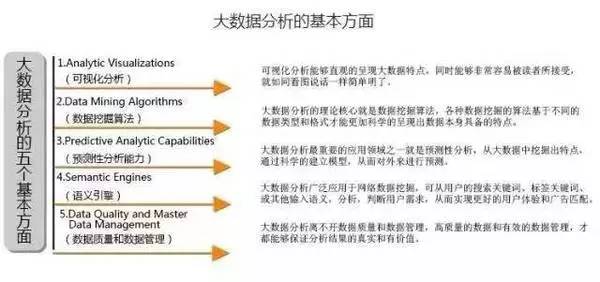
In big data analysis technology, big data is no longer simply a fact of large data volume. The most important reality is analysis. Only through analysis can intelligent, deep and valuable information be obtained.
VI. Development of key big data application fields
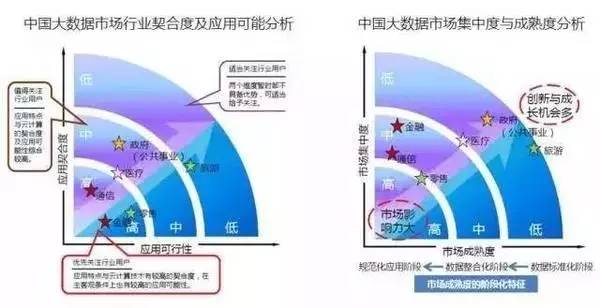
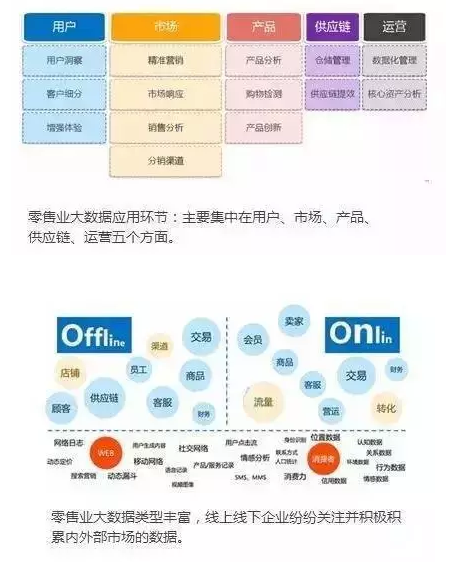
Big data application markets include public utilities, consumption, finance, industry and healthcare. In the industrial field, big data accelerates product innovation by mining and analyzing interaction and transaction behavior between customers and industrial enterprises, helping customers participate in product demand analysis, product design and other innovation activities.
In product fault diagnosis and prediction, ubiquitous sensors and internet technologies make real-time product fault diagnosis possible, while big data applications, modeling and simulation technologies make dynamic prediction possible. In industrial IoT production lines, modern industrial manufacturing lines are equipped with thousands of small sensors to detect temperature, pressure, thermal energy, vibration and noise.
In industrial supply-chain analysis and optimization, big data can analyze and predict regional commodity demand in advance, thereby improving distribution and warehousing efficiency and ensuring next-day delivery experiences. In product sales forecasting and demand management, multi-dimensional combinations of historical data can reveal regional demand shares and changes, the market popularity of product categories and the most common product combinations, helping adjust product and distribution strategies.
In production planning and scheduling, big data from production processes can provide more detailed information, identify deviations between historical forecasts and actual results, consider capacity constraints, personnel skill constraints, material availability constraints and tooling constraints, and use intelligent optimization algorithms to formulate production schedules. In product quality management and analysis, highly automated equipment generates enormous testing results while processing products. Traditional manufacturing urgently needs innovative methods to respond to big data challenges in industrial settings.
For industrial pollution and environmental monitoring, advanced monitoring methods can be used on top of traditional manual monitoring to promote continuous automatic monitoring of environmental quality and remote sensing of environmental pollution, enabling emissions prediction, early warning and monitoring.
VII. Regional construction of Data China
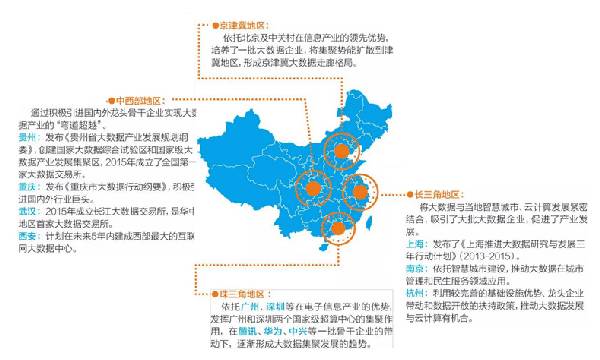
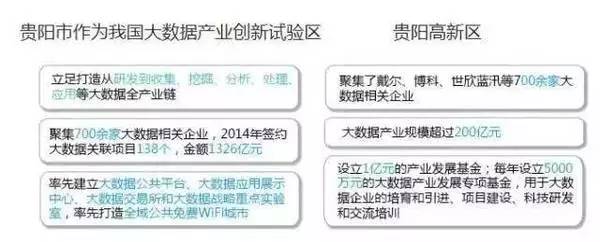
Guizhou is an economically less-developed southwestern province. Guiyang is known for green mountains, clear waters and ethnic culture. Since 2013, Guizhou has seized the development opportunity of big data and regarded the big data industry as an important way to overtake on a curve economically.
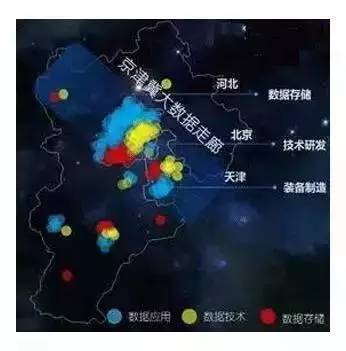
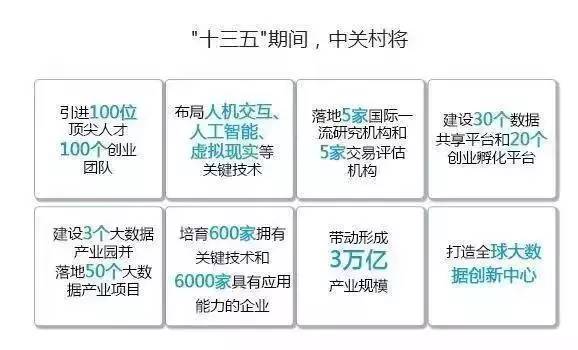
In the Beijing-Tianjin-Hebei region, Zhongguancun, China's Silicon Valley, is an important engine of China's internet development. Under the background of integrated development in the region, a big data corridor has initially taken shape with reasonable division of labor and coordinated development: technology research and development in Zhongguancun, equipment manufacturing in Tianjin, and data storage in Zhangjiakou and Chengde.
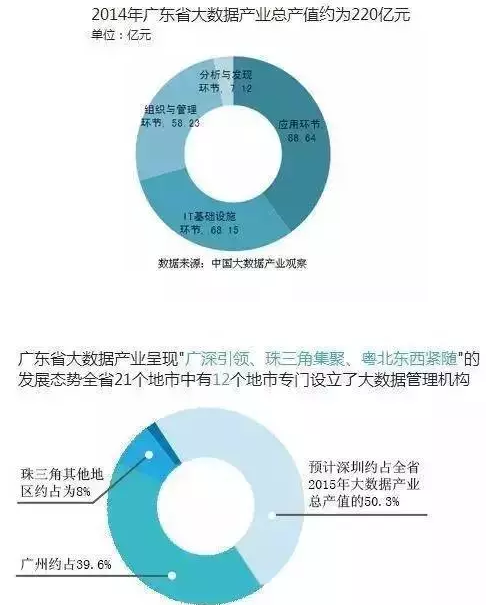
In Guangdong, based on data room construction, the province's current data storage volume is estimated at about 2,300 PB. It is an important big data industry cluster in China and has a group of strong leading companies in big data innovation. Guangzhou and Shenzhen took the lead in planning big data industry development. Other Pearl River Delta cities are actively laying out big data industries, such as the cloud computing center in Foshan, the cloud services industrial park in Zhaoqing, and the Western Pearl River Data Valley project in Jiangmen. Eastern, western and northern Guangdong are also promoting the big data industry, including Yunfu's cloud computing data center industrial park, known as Cloud Valley, while Shaoguan, Qingyuan and Yangjiang are actively introducing strategic partners to advance big data development.
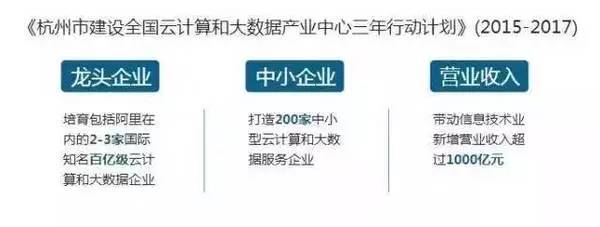
Looking at Hangzhou, the city has cloud service infrastructure providers represented by Alibaba Cloud and Wasu, cloud engineering and cloud service providers represented by H3C, and a large number of cloud application enterprises. Its cloud industry chain is becoming increasingly clear. In the contest over cloud-based information-economy development, Hangzhou already has a first-mover advantage.