
At present, global convention and exhibition activities remain suspended because of COVID-19. The pace and situation of exhibition resumption in China are faster than abroad, and the exhibition industry has reached a good opportunity to restart. Chen Xianjin, honorary president of UFI, director of the National Technical Committee for Standardization of the Exhibition Industry, and Party secretary of the Shanghai Convention and Exhibition Industries Association, made this point at a recent China Economic Net online meeting themed innovating exhibition services and driving industrial restart.
Chen said that since the outbreak, the exhibition industry has gone through three stages. The first stage was passive acceptance. The epidemic, combined with the Chinese Spring Festival holiday, pressed the pause button for the exhibition industry. The second stage was helpless waiting. Starting in late April, China's exhibition industry entered the third stage and began to take active action. The industry saw hope for restart.
Analyzing exhibition conditions at home and abroad, domestic exhibition resumption is gradually recovering
Chen pointed out that, from a global perspective, convention and exhibition activities have almost all stopped. Recently, several large listed exhibition companies released information to the public. In particular, Informa, the largest exhibition organizer, issued a report to shareholders discussing the impact of COVID-19 on the whole company and analyzing the major difficulties it had encountered in the United States, Europe, Asia and other regions. At present, the global exhibition situation remains very pessimistic, with little visible hope.
Chen said Informa's report still expressed confidence in China's exhibition industry. No other country or region is holding large or small and medium-sized exhibition activities as China is. In particular, the dates of the national two sessions have been confirmed, which is an important and very positive signal. This indicates that the domestic exhibition resumption situation is improving and that China's pace of resumption is faster than the global pace. The 2020 Hunan Auto Show and Changsha's first automobile consumption festival, held from April 30 to May 5, provided strong momentum for the resumption of physical exhibitions. Under strict prevention and control against imported cases and domestic rebound, China's exhibition industry should be able to gradually recover in the second half of the year. Overall, the domestic situation and pace of exhibition resumption are better and faster than the global situation.
The exhibition industry has reached a good opportunity to restart
Chen emphasized that the current restart of the exhibition industry is a good opportunity. Exhibition companies and service companies must prepare and consider matters in a practical way. Only when they can propose measures that reassure and satisfy government leaders, and show that they understand prevention challenges and difficulties and can respond with targeted measures, will governments be able to provide better support and help exhibitions resume. Around the restart of the exhibition industry, local exhibition offices and industry associations are taking action on the basis of prevention and control.
As exhibition offices and bureaus across the country work to restart physical exhibitions, they should not only pay attention to specific epidemic prevention measures. They should also consider the innovation mentioned in the Ministry of Commerce notice. Innovation cannot be measured only by the number of visitors or the scale of exhibitions. Looking at future trends, especially the recovery of B2B exhibitions, exhibitions will pay greater attention to the quality of professional visitors and the overall results of communication and negotiations between exhibitors and professionals. This is a direction that deserves industry reflection and research.
During the epidemic, the exhibition community has been led to think more about how online exhibitions and cloud exhibitions should be organized. For a long time, the exhibition industry, especially the exhibition sector, has been considered weak in innovation drive. Chen said he often notes that exhibitions over more than one hundred years have still been about booths and fixed venues, with insufficient innovation. Now many forms and innovative ideas have emerged, which is a good thing for the industry. What now needs consideration is how online exhibitions can form business models while complementing offline exhibitions, how sustainable online exhibitions can be ensured, and whether this should be market-oriented or rely on the market to allocate resources. This may be a major issue for future thinking.
Considering the position of the exhibition industry in the national economy
The epidemic has indeed taught the exhibition industry a lesson and encouraged exhibition professionals to look objectively at the industry and the sectors it serves. Chen said the exhibition industry does not exist independently of service industries. Only when the industries it serves develop can the exhibition industry have a basis for development and become flowing water with a source. Returning to the essence of exhibitions, the industry is a platform that serves industries.
Looking at policies for resuming work and production in different regions, more policies have been issued for sectors related to the exhibition industry, such as tourism and catering, while there has been less attention specifically for exhibitions. The driving effects of tourism and catering on the overall economy differ from those of the exhibition industry. Chen emphasized that, without cooperation and collaboration from other industries, the exhibition industry alone has limited strength. Therefore, the essence of the exhibition industry as a platform serving industries must be emphasized. The exhibition community should recognize the industry's position and influence.
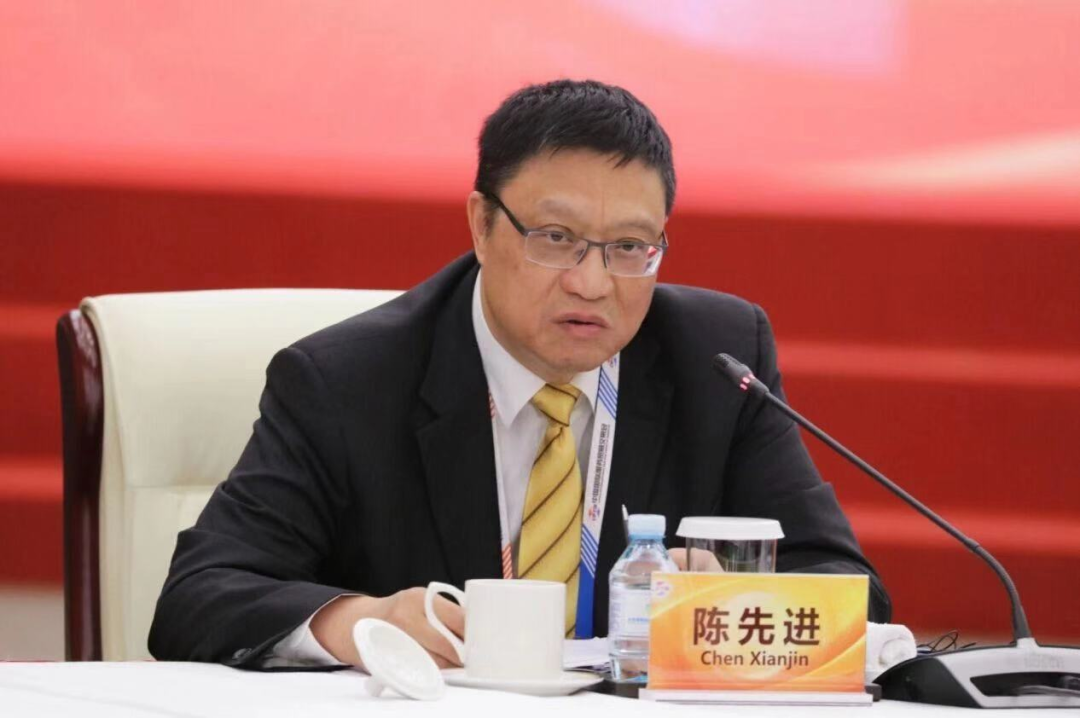
Chen Xianjin
MBA, senior international business professional, member of the 10th, 11th and 12th Shanghai CPPCC, Party secretary of the Shanghai Convention and Exhibition Industries Association, director of the National Technical Committee for Standardization of the Exhibition Industry, and honorary president of UFI.