
Eastern Net reporter, Xiang Ying, reported on March 19: This regulation is the first local regulation for the exhibition and convention industry nationwide, and is based on the goal of "building a world-class exhibition and convention city" in Shanghai. It proposes a series of enabling policies to promote the development of the exhibition and convention industry.
In recent years, Shanghai's exhibition venues, scale of events, and other key indicators have consistently ranked among the leading international exhibition cities. However, the city also faces challenges related to "exhibition-adjacent activities" and "fraudulent exhibitions," raising questions about how to regulate and safeguard these activities from a legal perspective. To address this, Shanghai has proactively developed a set of regulations, the first of its kind in the country, to codify best practices observed in hosting major events such as the China International Fair for Trade in Services (CIFTIS). This draft regulation was initially submitted to the Shanghai People's Congress Standing Committee for review in November 2023. Following extensive consultations and revisions, the regulation was formally approved today.
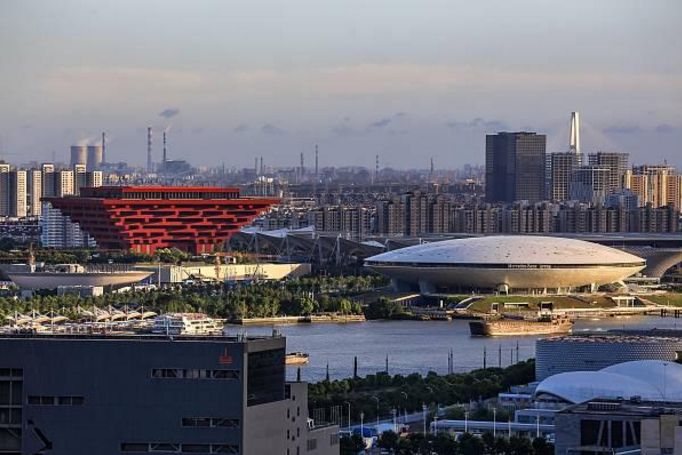
The regulations clearly outline various industry support measures and establish numerous provisions to optimize the business environment for the exhibition and convention industry. The Municipal Commerce Bureau stated that it will prioritize research and incorporate funding for promoting the development of the exhibition and convention industry into the fiscal budget, thereby attracting domestic and international exhibition companies to establish headquarters in Shanghai and provide corresponding incentives. Furthermore, the measures tailored for the China International Fair for Advanced Technologies and Equipment (CITES) will be extended to all compliant exhibition activities, ensuring the implementation of intellectual property protection mechanisms within the exhibition industry.
The newly enacted regulations, based on the previous draft, include a dedicated chapter outlining the provisions for services and support related to the China International Fair for Trade in Services (CIFTIS). According to reports from the event, Chapter 5, titled "Services and Support for CIFTIS," provides specific guidelines on the following:
1. Regarding the overall requirements for service and security guarantees for the China International Services & Trade Fair, the municipal government is required to implement national strategies, under the leadership of the China International Services & Trade Fair Organizing Committee, in collaboration with relevant national departments, to strengthen organizational coordination and implement service and security measures, ensuring the high-level successful organization of the fair.
2. Regarding the city service guarantee mechanism, the municipal government shall establish a mechanism for ensuring services for the Import-Export Fair, implement major event security plans, and strengthen security, transportation, energy, and communication-related service guarantee work, ensuring that the Import-Export Fair achieves international first-class status. Relevant municipal departments and district governments shall, in accordance with their respective responsibilities, ensure the provision of city services for the Import-Export Fair.
3. Regarding streamlined customs clearance procedures, the customs authorities are required to simplify the customs clearance procedures for exhibition products at the trade fair, enhance the efficiency of product clearance, and facilitate the post-exhibition handling of products. This also includes supporting the normalization of year-round tax-free display and trading.
4. Regarding the spillover effect of the China International Import Expo, the municipal and district governments will strengthen coordination and continuously amplify the spillover effect of the Expo, expanding outward opening, promoting industrial development, and enhancing urban quality. This will also facilitate the construction of the Hongqiao International Open Hub, and leverage its role as a platform for regular international trade services.
5. Regarding the "Intl. Expo & Convention" (Exhibition & Convention) President's Tri-Party Collaboration, the text clarifies that municipal and district-level governments should leverage the "Intl. Expo & Convention" platform to strengthen collaboration and coordination with other provinces and municipalities within the Yangtze River Delta region, with a particular focus on ensuring security, customs clearance, environmental protection, and intellectual property protection. Furthermore, the text promotes the integration of the Yangtze River Delta's exhibition industry with other industries, aiming to establish Shanghai as a central hub for international trade, serving both domestic and international markets, and extending its reach to the Asia-Pacific region. In addition, the regulations will also incorporate the emerging "online exhibition" model, explicitly stating: "Encourage participating organizations, venues, and exhibition service providers to utilize modern information technologies to innovate in service and management, thereby promoting the development of online exhibitions and fostering the organic integration of online and offline exhibition activities."