What Kind of China International Import Expo Should We Hold?
Ji Lude, November 25, 2018.
The question of what kind of CIIE should be held concerns what the public saw after the expo opened. It is a cross-sectional view of the event.
Overall, the project design of the first CIIE was very reasonable. It was indeed a combination of a small World Expo, the Canton Fair and the Boao Forum, and it created a basic model that can be continuously expanded and enriched in the future.
Several features of this edition deserve praise.
First, the forum theme.
The CIIE attracted worldwide attention. Countries around the world, whether friendly toward China, skeptical or cautious, all cared about what message China would send. The forum was the most concentrated and direct channel for releasing that message. The CIIE is an international trade exhibition project, and the forum theme was to discuss the relationship between international trade and openness, investment and innovation. Regardless of international public opinion, and regardless of the hostility of certain countries that pretended not to see the CIIE, the message was clear: international trade promotes global economic integration, and China will remain firmly committed to opening-up.
Second, the country exhibition.
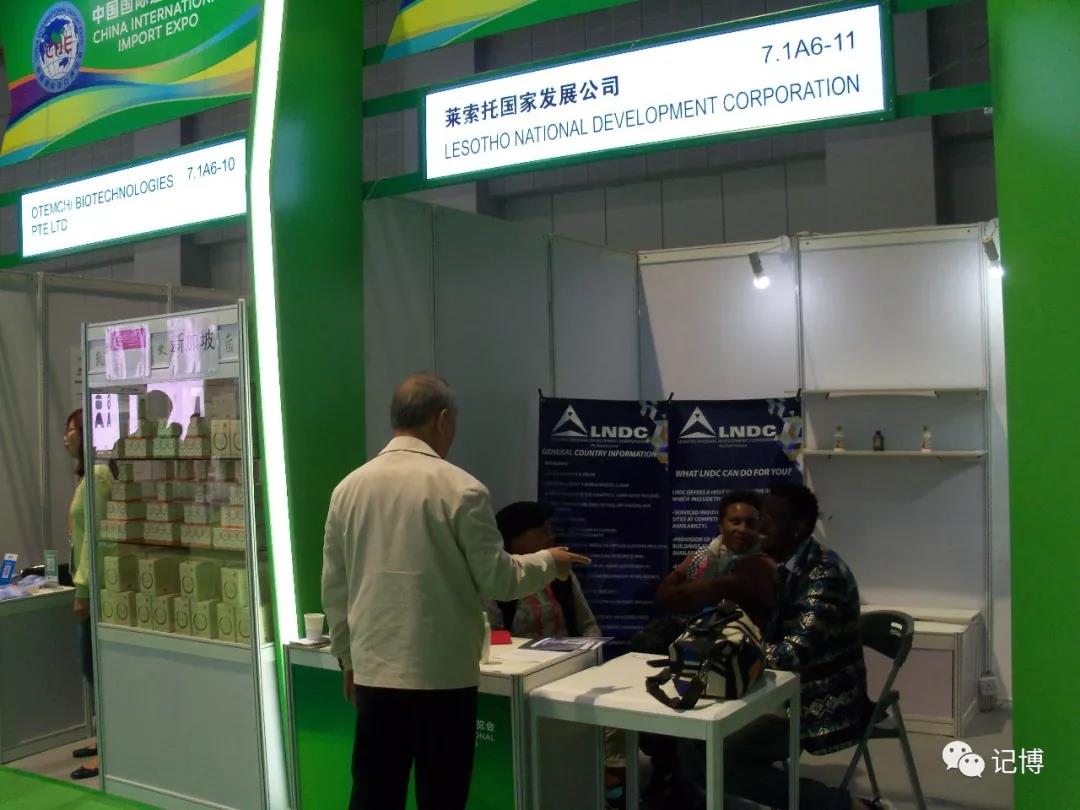
Setting aside an area in an international commercial exhibition for governments to present national images, with roughly equal booth areas for each country, was a fine innovation. This idea deserves recognition.
Third, the enterprise exhibition.
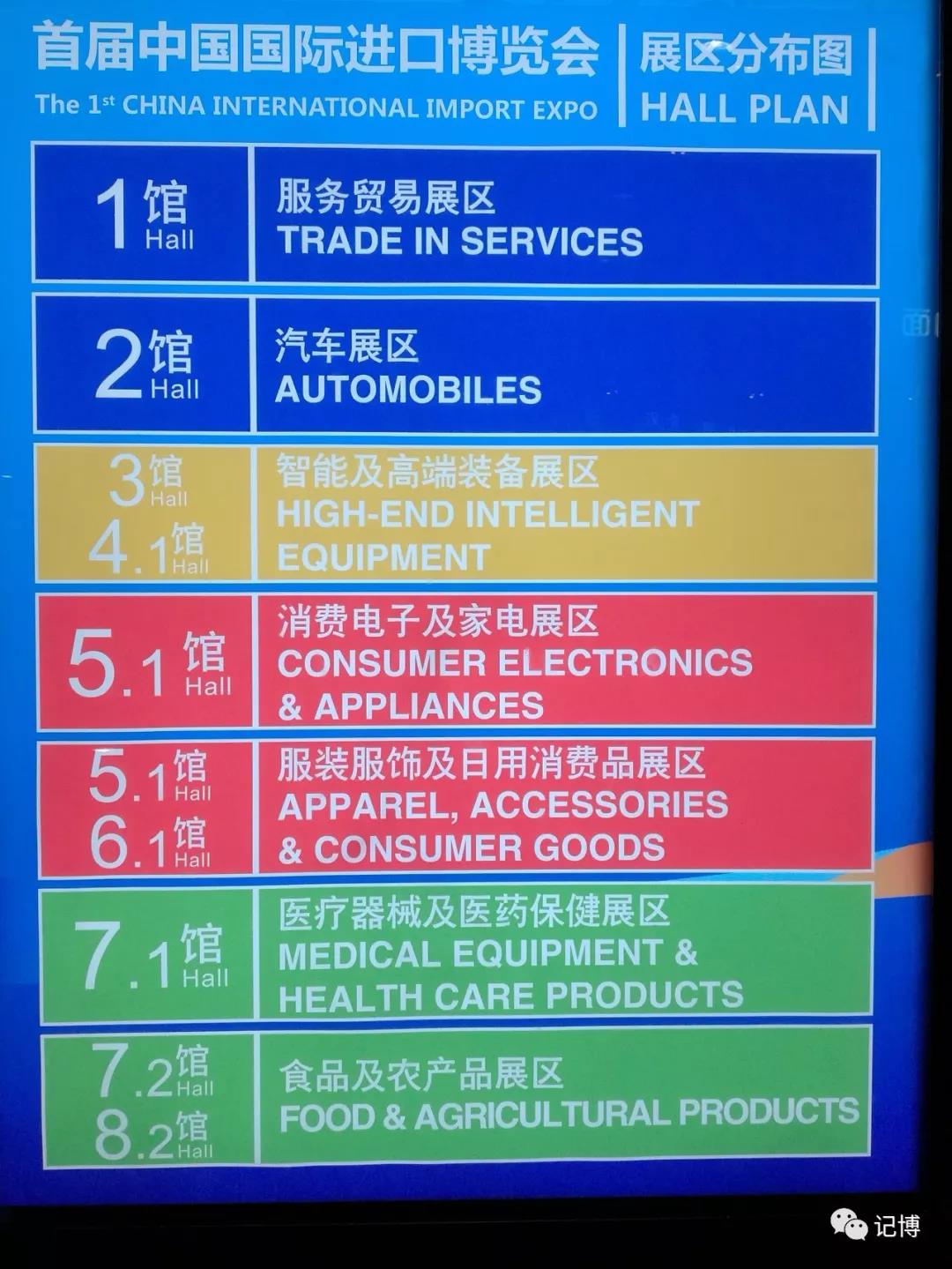
The first CIIE had seven enterprise exhibition areas. Six were basically business-to-consumer, although the services trade area included producer services, while one focused on the foundation of production materials: machine tools, or high-end manufacturing equipment. As the first edition, this was symbolically significant. All our efforts are intended to make life better, and one foundation for a better life is the real economy. This layout was a good beginning.
Fourth, supporting on-site activities.
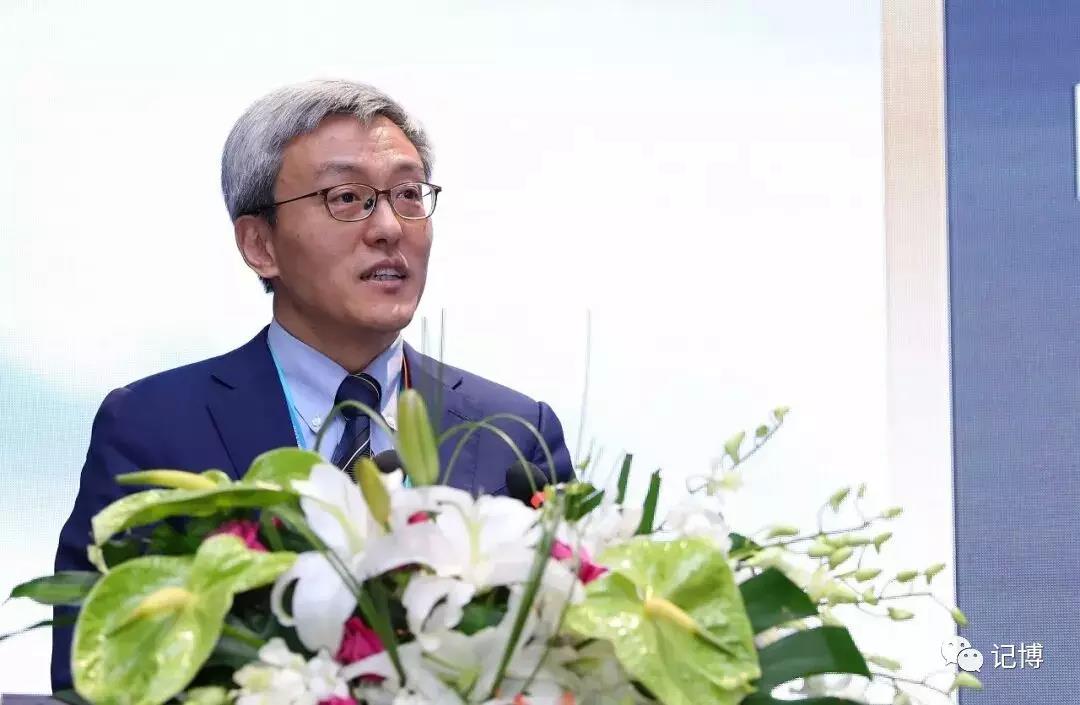
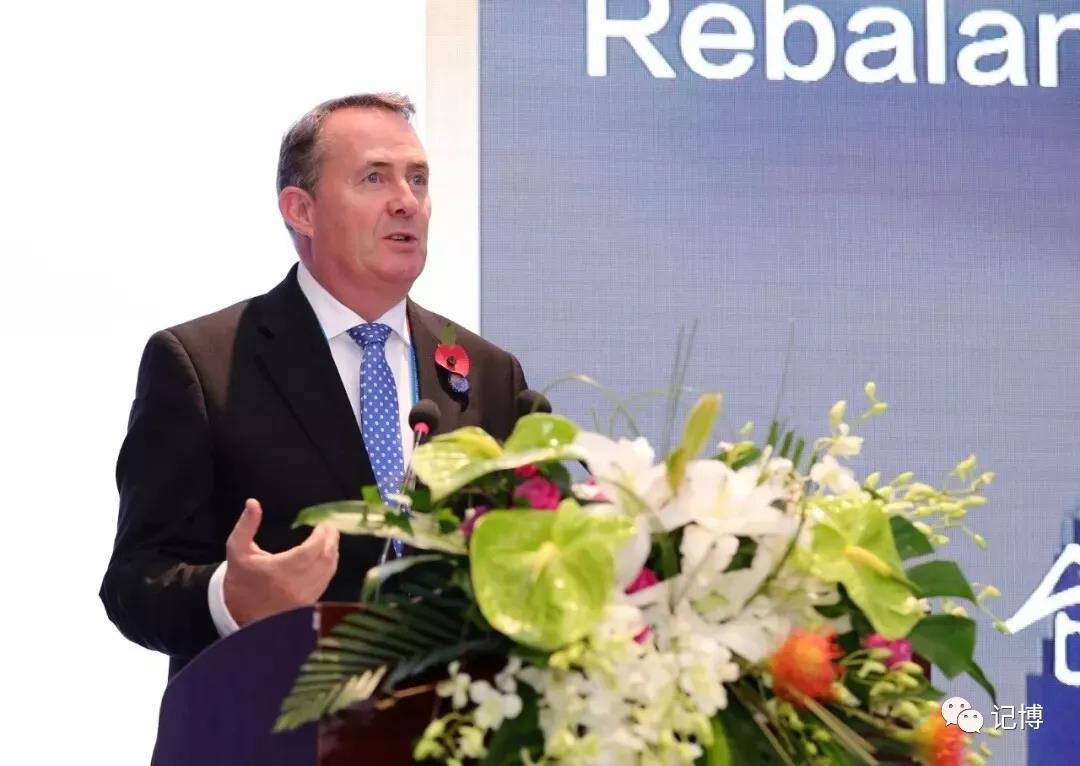
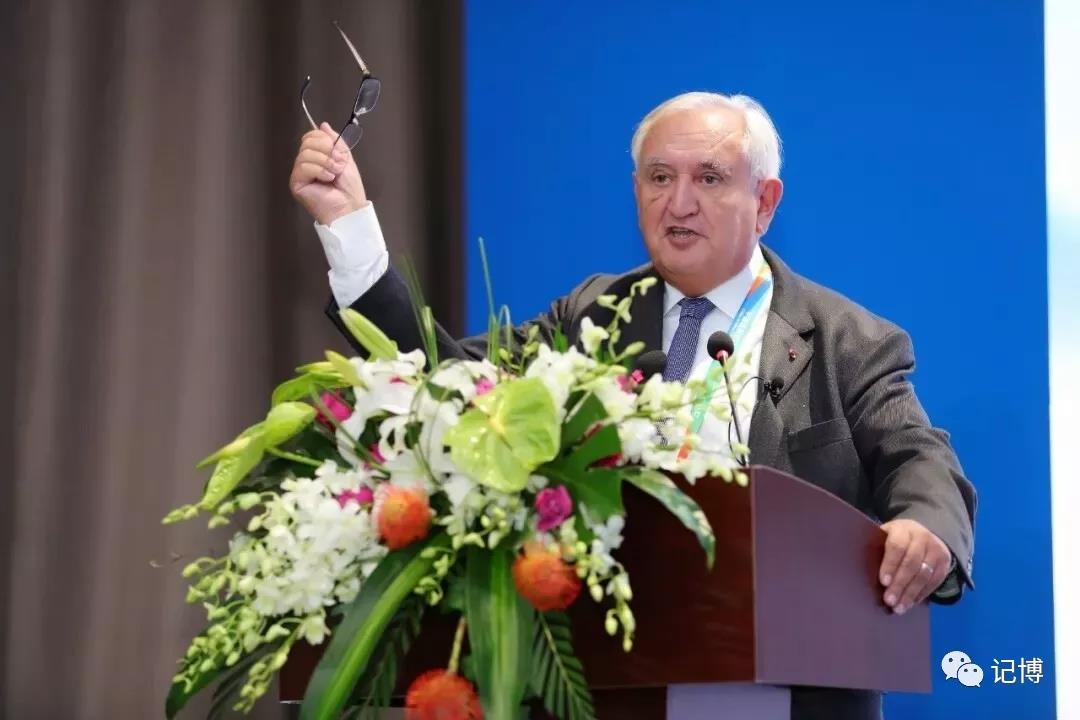
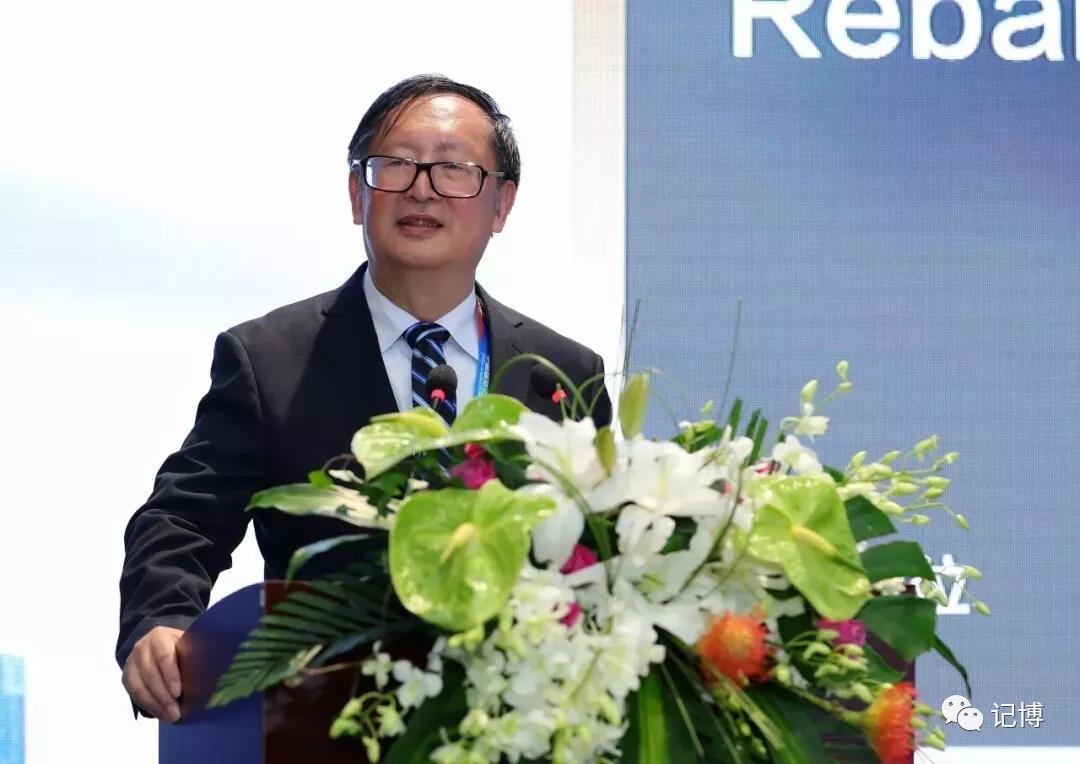
The CIIE had more than 200 supporting on-site activities, including country-themed events, forum series and interactive activities. The organizers were diverse, the content was rich and the themes were distinctive. These activities effectively communicated many messages to the world and expanded the influence of the CIIE. I attended the international academic seminar on Rebalancing the World Economy: China's Role and Function, co-hosted by the Shanghai Institutes for International Studies and China Europe International Business School. Liam Fox, then UK secretary of state for international trade; Jean-Pierre Raffarin, former prime minister of France; and Yang Jiemian, chair of the academic committee of the Shanghai Institutes for International Studies, delivered keynote speeches.
From left: Chen Dongxiao, president of the Shanghai Institutes for International Studies; Liam Fox, then UK secretary of state for international trade; Jean-Pierre Raffarin, former prime minister of France; and Yang Jiemian, chair of the academic committee of the Shanghai Institutes for International Studies.
Future CIIE editions will certainly be adjusted, and views on how to adjust them may differ. I offer several suggestions, whether or not they are fully appropriate. In general, the CIIE is an economic project with diplomatic significance, so adjustment should consider both economics and diplomacy.
1. Economically, the CIIE should highlight internationalization, market orientation and specialization.
Internationalization means that exhibition-area design should comprehensively consider China's international trade strategy. The current design is not attractive enough to countries along the Belt and Road. High-end equipment and high-quality consumer goods mostly come from developed countries. If bulk agricultural and animal products, raw materials and energy categories could be added, participation by Belt and Road countries would be helped.
Market orientation means considering trade-related supporting services and making them normal operations, such as improving dispute consultation mechanisms and setting up on-site financial, logistics, legal and communications services. Relevant organizations were present at this edition, but they withdrew after the expo. If there is a year-round office area in the venue, the site could become a physical presence of an international trade center and a landmark international marketplace.
Specialization should be considered on two levels. First, a technology trade exhibition should be added. International trade includes trade in goods, trade in services and technology trade. In China, goods trade has the Canton Fair, services trade has the Beijing trade in services fair, and technology trade has the Shanghai technology fair. The CIIE has goods trade areas and services trade areas, but lacks technology trade. Adding a technology trade zone would not only complete the international trade content, but also effectively protect intellectual property rights and promote circulation of high and new technologies.
Second, each category in the goods trade area should be gradually strengthened and refined. In production materials, sections could be divided by industry category and highlight production materials useful for China's industrial restructuring. In consumer goods, the expo should further emphasize international brands and consumer goods for clothing, food, housing, durable consumption and transportation that feature high technology and environmental protection.
2. Diplomatically, the CIIE should increase people-to-people exchange.
The CIIE should not only be a place for officials from different countries to exchange formal courtesies; it should also be a place for people-to-people interaction among countries. Through economic exchange and business transactions, people can understand one another and build friendship. If peoples from different cultural backgrounds increase mutual trust through various activities, the world will become more stable and politicians seeking confrontation will face greater public resistance.
In organizing public visits to this edition, there may have been two concerns. One was safety: bringing more than 100,000 people into a closed area at the same time is difficult to manage. The other was commercial atmosphere: a venue intended for business could be affected if many people came only to watch, with uneven visitor behavior. Both concerns are reasonable. Because this was the first edition, time was tight and experience was limited, excessive caution and hesitation were understandable.
After the first edition, there is room to breathe and think. I suggest that future editions allow somewhat greater public access.
First, separate the country exhibition from the enterprise exhibition. A country exhibition held abroad is essentially a national calling card and should face the public of the host country. After the CIIE opens, the country exhibition could be opened to the public, with appropriate management measures.
Second, for high-end equipment and technology trade sections in the enterprise exhibition, large numbers of young people, including students from universities and vocational schools, could be organized to visit. A teacher friend from Fudan University said that bringing children nearby to see advanced productivity from various countries is better than years of classroom reading. We often say that certain things should start with children, yet we gave up an opportunity at our doorstep. That is regrettable.
Third, improve public visit methods. The two forms of opening mentioned above could start from the opening of the CIIE. The enterprise exhibition areas could continue the current approach of opening to the public in the final two days. This edition distributed visit quotas to districts and subdistricts, which had some rationale. In the future, the process could be simplified, similar to buying train tickets: reservations could be made online until capacity is full, and visitors could enter by scanning identity documents.
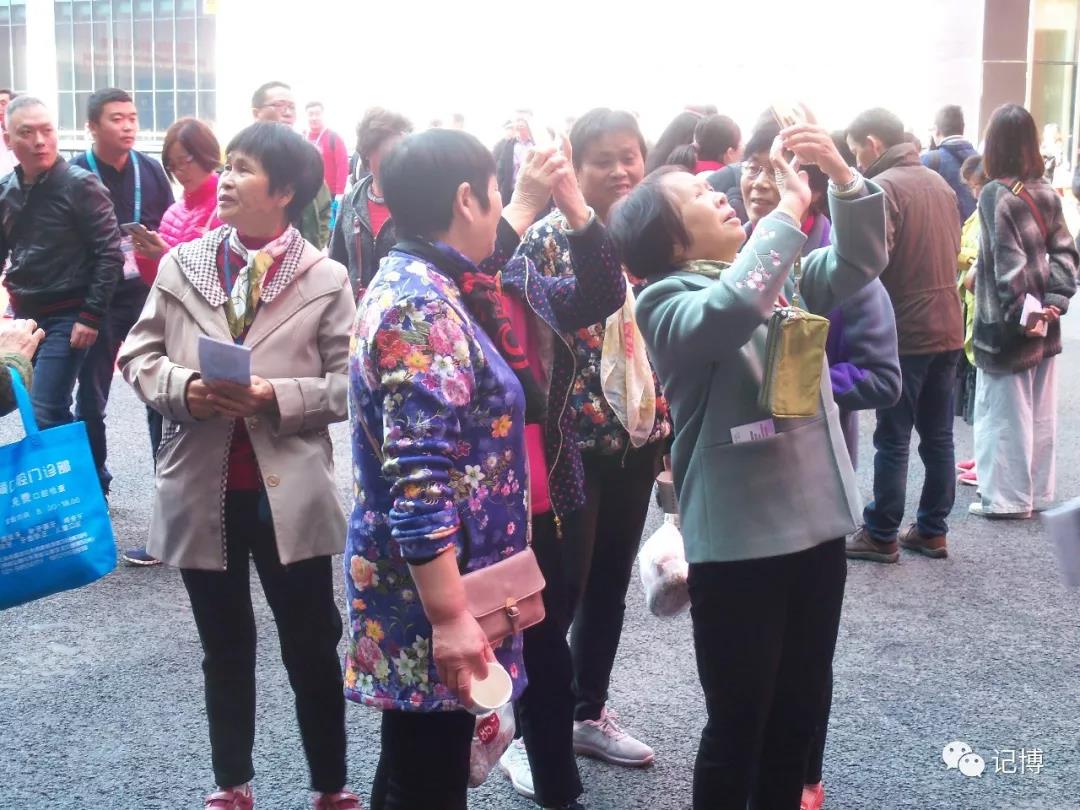
One additional point: some elderly visitors behaved poorly at this edition. In essence, this was a conflict between small-town habits and modern commercial civilization, and it should not interfere with openness. In the early 1980s, when a buffet reception was held at Shanghai Exhibition Center, some well-dressed and seemingly respectable participants put stainless steel tableware in their pockets and took it home. The media reported and criticized this phenomenon. What about today? As Shanghai has become increasingly international, has this phenomenon increased or decreased? Is it encouraged by society or criticized?
As long as we persist in holding international activities, Shanghai citizens will increasingly participate with a normal mindset. With this belief, we should continue holding the CIIE and make it better and better.