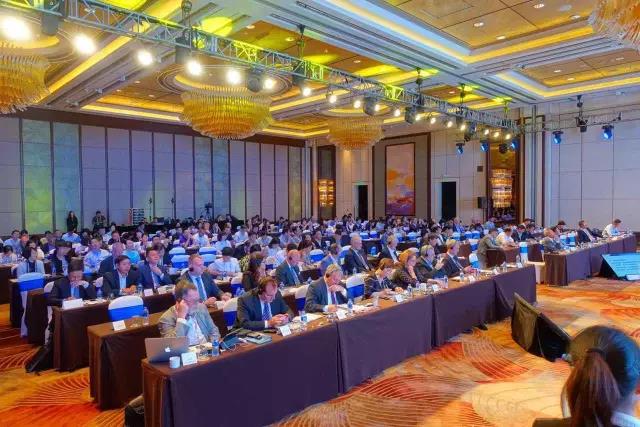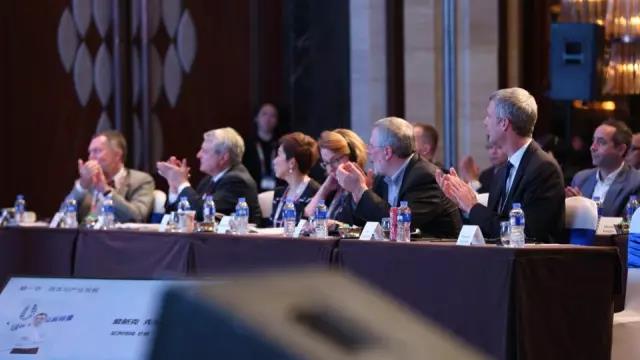
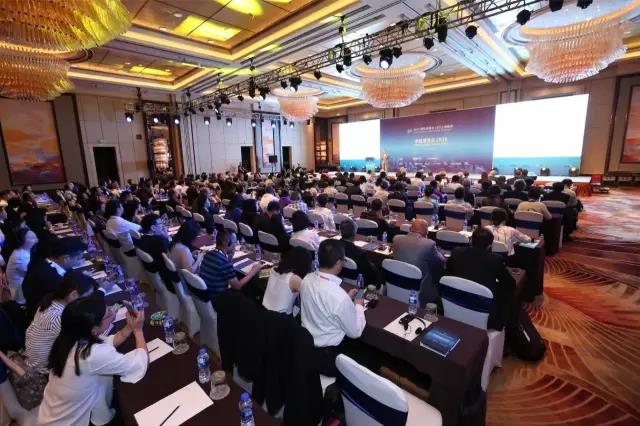
On the morning of June 19, the 2017 International Exhibition Industry CEO Shanghai Summit, themed China Exhibition Industry 2020, opened grandly at Kerry Hotel Pudong. A total of 198 guests from 10 countries and 14 provinces, municipalities and regions in China, including Hong Kong, attended the summit.
Government leaders attending the summit included Mr. Xu Tao, deputy director-general of the Department of Trade in Services and Commercial Services of the Ministry of Commerce; Ms. Shang Yuying, chairwoman of the Shanghai Municipal Commission of Commerce; Mr. Chen Xi, deputy head of Pudong New Area; Mr. Rui Wenbiao, deputy director of the Shanghai Intellectual Property Administration; Mr. Yuan Zaiqing, president of the China Convention and Exhibition Society; and leaders from convention and exhibition bureaus, offices and industry associations across China.
International guests attending the summit included Mr. Corrado Peraboni, 2018 president of UFI; Mr. Kai Hattendorf, managing director and CEO of UFI; Ms. Cathy Breden, chief operating officer of IAEE; Mr. David Audrain, chairman of SISO; and other well-known entrepreneurs and experts from the international exhibition industry.
Chen Xianjin, president of the Shanghai Convention and Exhibition Industries Association, delivered a welcome address on behalf of the organizer, warmly welcoming and sincerely thanking government leaders and guests from China and abroad.
Shanghai is already one of the world's most important exhibition cities
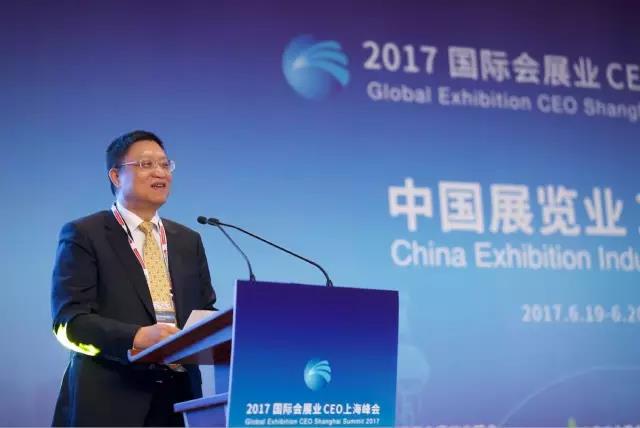
Chen Xianjin, president of the Shanghai Convention and Exhibition Industries Association
In his address, Chen Xianjin said the summit chose China Exhibition Industry 2020 as its theme because 2020 would be the final year of the 13th Five-Year Plan. In the remaining three-plus years, he hoped global convention and exhibition professionals would work with China's exhibition industry to discuss and practice the path toward internationalization and branding.
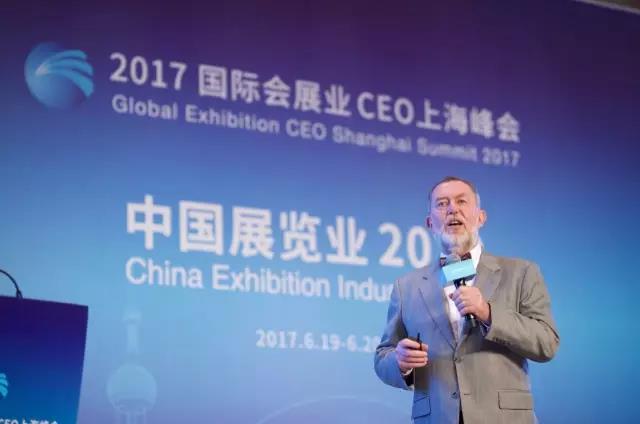
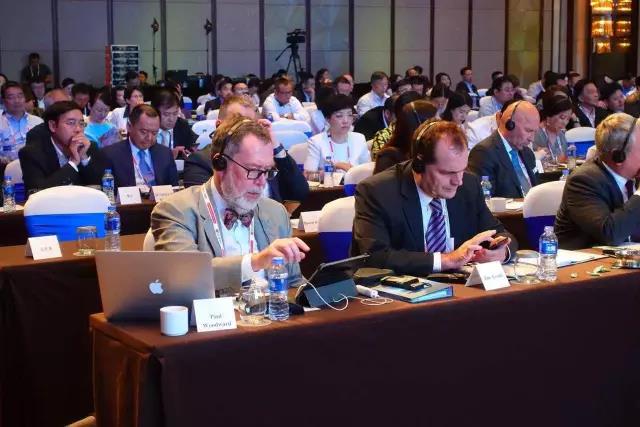
Paul Woodward, president of Paul Woodward Advisory
Paul Woodward delivered a keynote speech. He believed that, while large-scale exhibitions around the world remain vigorous, small professional exhibitions also have promising opportunities. However, a medium-sized exhibition that is not large, ranks only third or fourth in its sector, and lacks distinctive features will face major challenges. In China, mobile phones can serve as digital platforms for end users to trade and transfer payments before, during and after exhibitions. Unfortunately, no company in the exhibition industry has yet fully seized this opportunity.
He also said Shanghai is already one of the world's most important exhibition cities, and some of its exhibitions have entered the top ten global rankings in their respective sectors.
Transformation of management functions under internationalization
Around the theme of China Exhibition Industry 2020, and based on macro policy trends and the current state of industry development, the summit set three main topics and seven subtopics. The discussions this morning focused mainly on the transformation of management functions. Speakers included Xu Tao, deputy director-general of the Department of Trade in Services and Commercial Services of the Ministry of Commerce; Shang Yuying, chairwoman of the Shanghai Municipal Commission of Commerce; Kai Hattendorf, managing director and CEO of UFI; and Supawan Teerarat, vice president for strategic business development of the Thailand Convention and Exhibition Bureau.
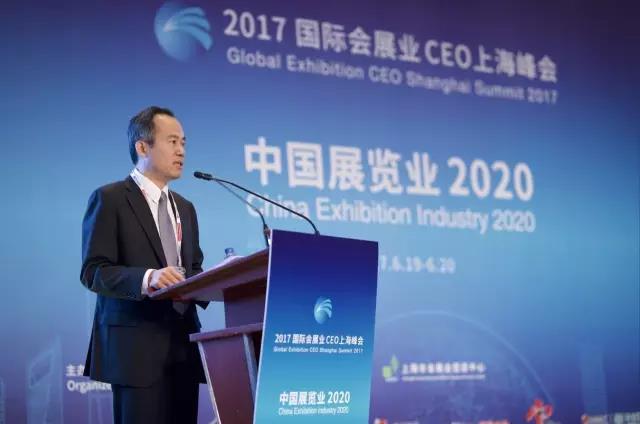
Xu Tao, deputy director-general of the Department of Trade in Services and Commercial Services of the Ministry of Commerce
Xu Tao said the department would promote the transformation of government management functions in the exhibition industry through streamlining administration and delegating power. In his view, exhibition management in the next stage will mainly focus on six areas: promoting industry innovation and enhancing enterprises' market competitiveness, especially by supporting internet companies and innovative enterprises; actively advancing legal development for the exhibition industry; improving exhibition statistics and monitoring; accelerating the development of a credit system and exploring the establishment of credit records; continuing to promote intellectual property protection for exhibitions; and improving intermediary industry organizations.
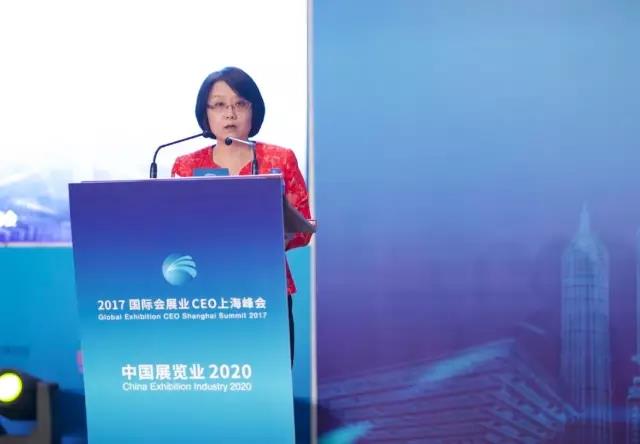
Shang Yuying, chairwoman of the Shanghai Municipal Commission of Commerce
In her speech, Shang Yuying mentioned the need to establish and improve the exit mechanism for government-run exhibitions. Shanghai should continue to enhance its level of internationalization, attract internationally renowned branded exhibitions to the city, and also create more independent international exhibition brands. In addition, Shanghai should work to build a transparent and efficient market environment, with particular attention to creative and innovative exhibitions and enterprises.
Shang said that Shanghai should continue streamlining administration and delegating power, combining delegation with effective regulation and improving services. The city should focus on four principles and four priorities, using more effective government action to promote sound and rapid development of the exhibition industry. First, it should continue streamlining administration, delegating power and transforming functions to stimulate market vitality. Second, it should put systems first, clarify relationships and regulate industry order. Third, it should pursue a brand strategy and protect property rights to improve quality. Fourth, it should remove bottlenecks and strengthen functions to optimize the development pattern. In the future, Shanghai will continue to work in the following four areas.
First, continue building a high-level public service system.
Second, continue enhancing the core competitiveness of the exhibition industry.
Third, continue building a transparent, fair and efficient market environment.
Fourth, continue improving the policy support system for the exhibition industry.
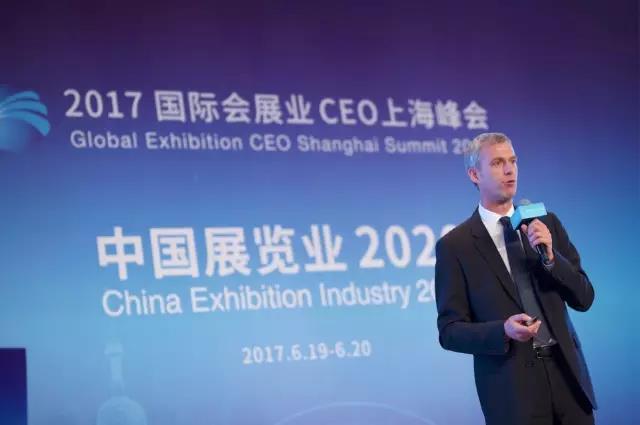
Kai Hattendorf, managing director and CEO of UFI
Kai Hattendorf said the success of German exhibitions depends on the long-standing model in which government investment leads venue operations and exhibition organization. Internationally active German small and medium-sized enterprises carry strong characteristics of German business culture. Building exhibition brands requires all stakeholders to jointly define the unique advantages of each exhibition.
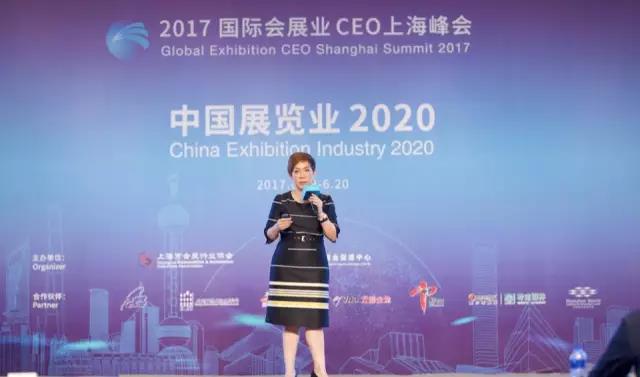
Supawan Teerarat, vice president for strategic business development of the Thailand Convention and Exhibition Bureau
Supawan Teerarat spoke mainly on five areas: opportunities brought by the Belt and Road Initiative, government support policies and Thailand 4.0, an overview of Thailand's convention and exhibition industry and its outlook for the next 20 years, an overview of Thailand's exhibition industry and its flagship exhibitions, and TCEB support policies. She said Thailand's exhibitions rank first in ASEAN. She also mentioned six major trends in the development of the convention and exhibition industry: growth of the exhibition industry brought by Asian economic growth, sustainable development, public-private partnerships, customer first, cost control and digital technology.
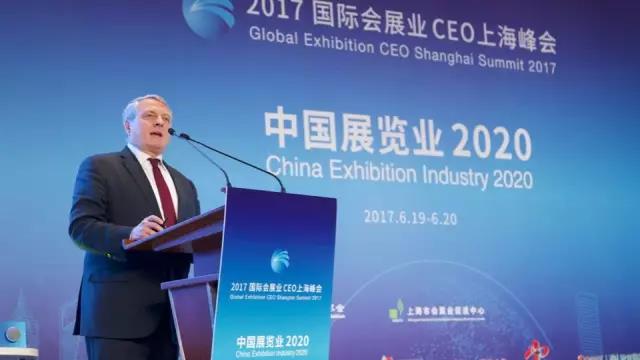
Paul Zilk, president and CEO of Reed MIDEM
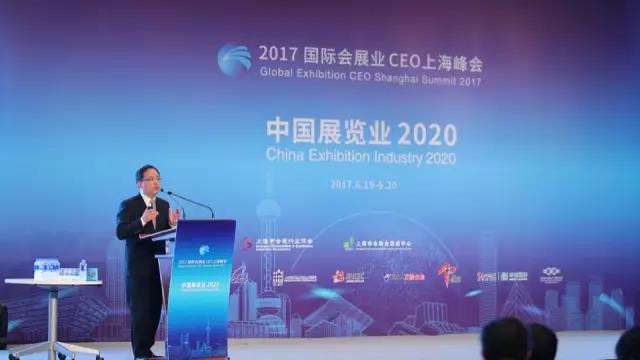
Rui Wenbiao, deputy director of the Shanghai Intellectual Property Administration
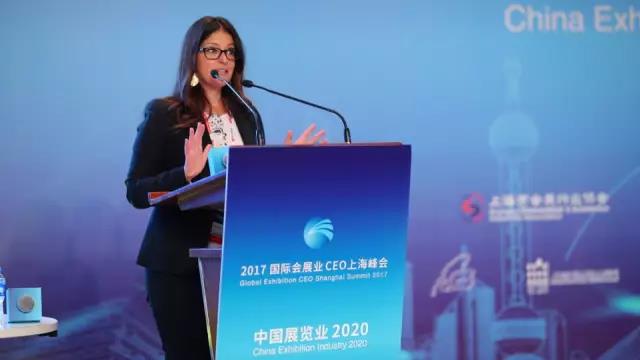
Michelle Metter, partner at Fast Forward Events
In addition, this morning the summit also discussed the topic of strengthening intellectual property protection. Paul Zilk, president and CEO of Reed MIDEM; Rui Wenbiao, deputy director of the Shanghai Intellectual Property Administration; and Michelle Metter, partner at Fast Forward Events, delivered keynote speeches on this topic and discussed how the exhibition industry can strengthen intellectual property protection from the perspectives of government management and project management.
This afternoon, the summit will discuss topics including the transformation of government exhibitions and capitalization of the exhibition industry. On the morning of June 20, it will conduct in-depth analysis and discussion of consumer exhibitions.